The Top 5 Air Filter Groups for Removing Chemicals and Gases
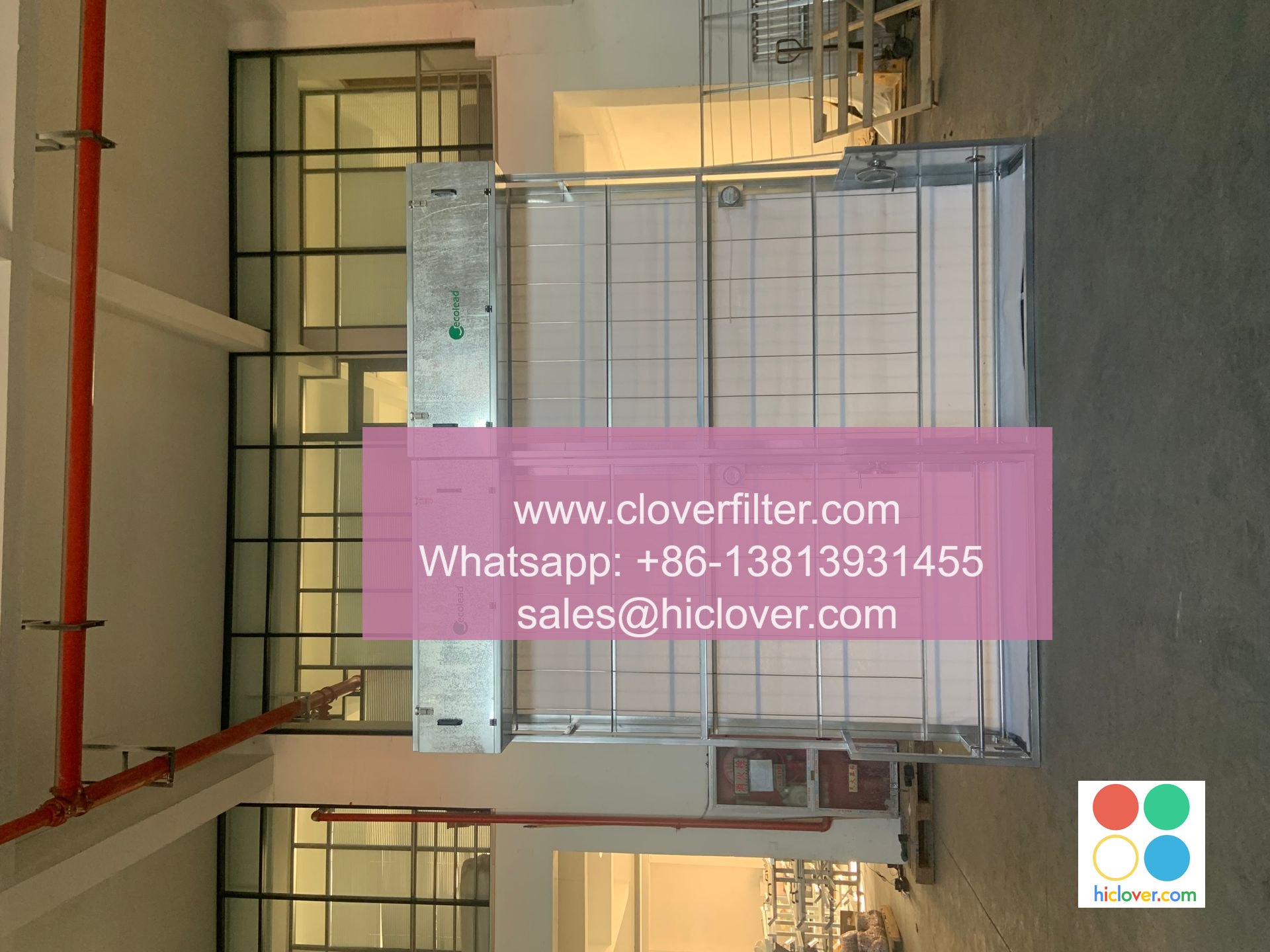
In today’s world, where air quality is a growing concern, the presence of harmful chemicals and gases in indoor environments can have detrimental effects on health. Whether in residential, commercial, or industrial settings, investing in the right air filtration system is crucial to ensure clean, breathable air. Here, we explore the top five air filter groups specifically designed for removing chemicals and gases from the air.
1. Activated Carbon Filters

Overview
Activated carbon filters are the gold standard for gas and chemical removal. These filters utilize the high surface area of activated carbon to adsorb a wide range of volatile organic compounds (VOCs), odors, and other harmful gases.
Applications
- Residential Use: Ideal for kitchens and living rooms, where odors and chemical fumes might accumulate.
- Commercial Settings: Frequently employed in beauty salons, restaurants, and laboratories to eliminate strong odors and harmful fumes.
- Industrial Environments: Used extensively in manufacturing and chemical processing to manage emissions.

2. HEPA Filters with Gas Phase Adsorption
Overview
High-Efficiency Particulate Air (HEPA) filters are primarily known for removing airborne particles, but they can also be combined with activated carbon to address gaseous pollutants. The integration of gas-phase adsorption enhances their ability to trap chemicals effectively.
Applications
- Hospitals: Critical in surgical rooms and waiting areas to maintain air purity, removing particles and harmful gases.
- Air Purification Systems: Commonly found in advanced home air purifiers designed for allergy sufferers.
- Industrial Clean Rooms: Essential in environments that require strict air quality control, removing both particulates and chemicals.
3. Chemical Absorbing Filters
Overview
Chemical absorbing filters are engineered to specifically target certain harmful gases. These filters contain materials that react chemically to neutralize or absorb gases like formaldehyde, benzene, and ammonia.
Applications
- Laboratories: Essential in lab settings where hazardous gases might be released.
- Manufacturing Plants: Useful in facilities that handle chemicals to prevent gas leaks and promote safety.
- Residential Areas: Increasingly used in homes for enhanced indoor air quality, particularly in areas with new furniture or renovations.
4. Electrostatic Filters
Overview
Electrostatic filters utilize an electrical charge to attract and trap not only particles but also larger gas molecules. This dual-action capability makes them a versatile option for removing various chemical agents.
Applications
- HVAC Systems: Widely used in heating, ventilation, and air conditioning systems to improve overall air quality.
- Office Buildings: Ideal for maintaining air purity in workplaces, reducing sick building syndrome symptoms.
- Industrial Applications: Effective in facilities with stringent air quality regulations, removing smoke, dust, and chemical vapors.
5. Photocatalytic Oxidation (PCO) Filters
Overview
Photocatalytic oxidation filters use ultraviolet light to activate a catalyst that breaks down pollutants, including VOCs and bacteria. This process effectively removes harmful gases and improves air quality.
Applications
- Indoor Air Quality Improvement: Highly effective in homes with multiple sources of indoor pollution, such as pet dander, cleaning products, and paints.
- Commercial Environments: Beneficial in schools and hospitals, where air quality directly impacts health and performance.
- Wastewater Treatment Facilities: Employed to treat air quality concerns related to chemical emissions from waste processing.
Conclusion
Choosing the right air filter group for removing chemicals and gases is crucial for maintaining a safe and healthy indoor environment. From activated carbon filters to advanced photocatalytic oxidation systems, each option serves distinct application areas, ensuring that residents, employees, and guests can breathe easy. Prioritizing air quality not only protects health but also enhances productivity and comfort across various settings.
It seems like you might be looking for a writing prompt or a topic to discuss. Here are a few options you can choose from:
-
Creative Writing Prompt: “Write a short story about a character who discovers an old book that reveals their family’s hidden history and secrets.”
-
Discussion Topic: “What role does technology play in shaping our relationships today, and how do you think this will evolve in the next decade?”
-
Personal Reflection: “Think about a time when you faced a significant challenge. How did you overcome it, and what did you learn from the experience?”
-
Poetry Prompt: “Write a poem about the changing seasons and what they symbolize in your life.”
Feel free to let me know if you want to explore a specific topic or if you have something else in mind!
