The Top Air Filter Downloadable Products for Removing Static Electricity
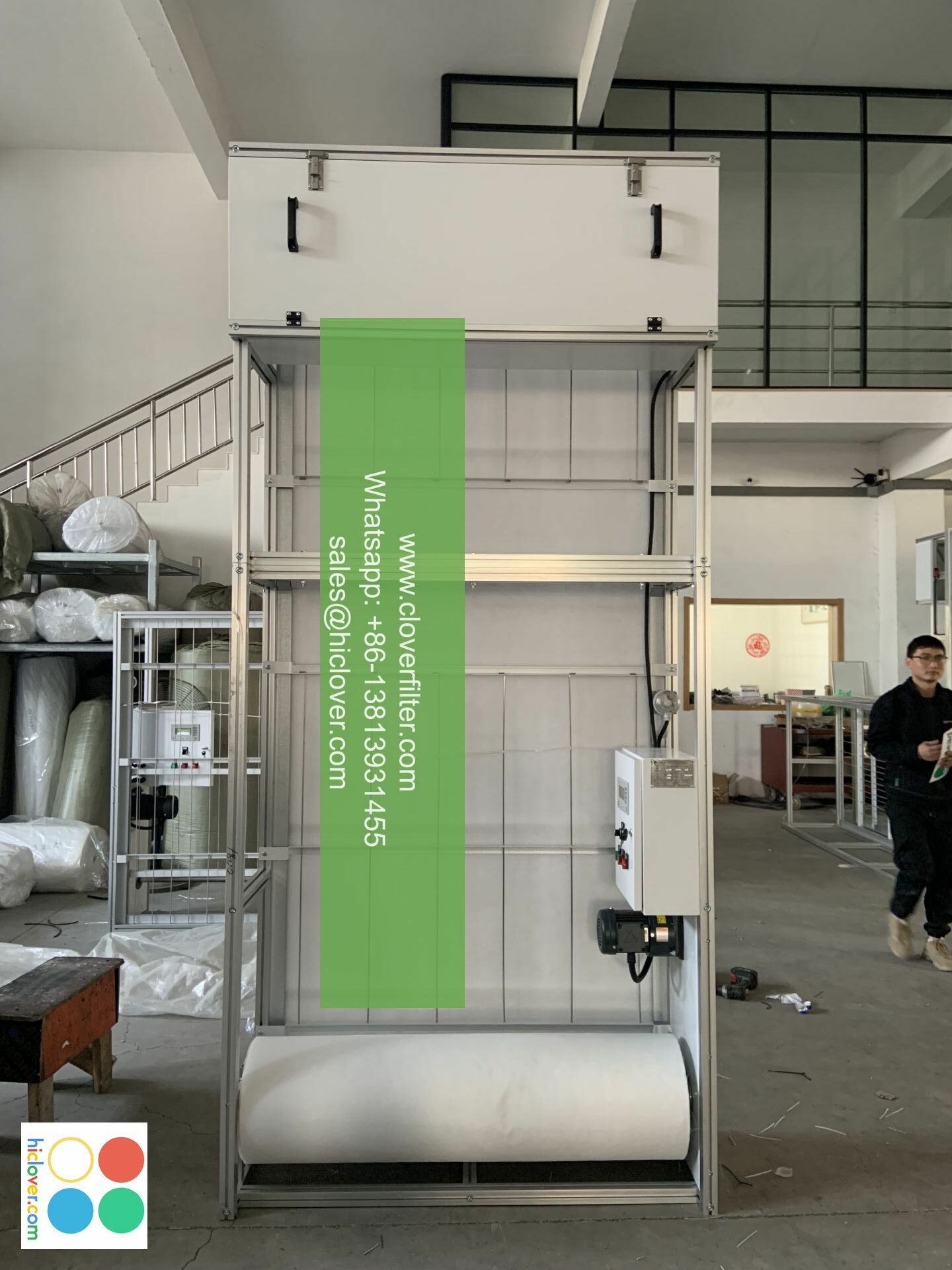
Static electricity can wreak havoc on various electronic devices, sensitive equipment, and even human comfort. In industries ranging from electronics manufacturing to healthcare, the presence of static can lead to equipment malfunction, contamination, and physical discomfort. Thanks to advancements in technology, several innovative air filter products can now be downloaded and implemented to combat static electricity. This article explores the top air filter downloadable products designed specifically for this purpose, highlighting their application areas and key features.
What Are Air Filters for Removing Static Electricity?

Air filters designed to mitigate static electricity typically integrate specialized materials or technologies that ionize the air, effectively neutralizing static charges. These products can either be part of a larger air filtration system or downloadable templates that guide the user in creating or customizing existing systems.
1. Static Dissipative Air Filters
Static dissipative air filters are essential for environments where electronic equipment is used. These filters remove airborne particles while simultaneously preventing static buildup. The Static Dissipative Air Filter Template is available for download and provides schematics for building these filters tailored to specific settings.
Application Areas:
- Electronics Manufacturing: Prevents static discharge damage to sensitive components.
- Data Centers: Maintains equipment integrity by controlling static electricity.
- Office Environments: Enhances comfort by reducing static shocks during winter months.
- Laboratories: Protects sensitive equipment and samples from contamination.
- Hospital Settings: Reduces static in operating rooms and patient areas.
- Industrial Facilities: Ensures worker safety in environments with flammable materials.
- Pharmaceutical Manufacturing: Prevents contamination of products due to static electricity.
- Research Labs: Maintains the purity of experiments and sensitive processes.
- Aerospace and Defense: Protects sensitive instruments from static discharge.
- Home Workshops: Keeps static at bay in woodworking and crafting areas.
- Hobby Electronics: Protects DIY projects from static damage.
- Small Businesses: Affordable solutions for controlling static in various commercial settings.
2. Ionizer Air Purifiers
Ionizer air purifiers not only filter the air but also use ionization technology to eliminate static charges. Downloadable products such as the Ionizer Air Purifier Installation Guide help users to set up ionizing systems effectively in various environments.
Application Areas:
3. Antistatic Filters for Clean Rooms
Clean rooms require stringent controls on both particulates and static electricity. The Antistatic Clean Room Air Filter Manual is a downloadable resource that guides users in selecting and maintaining filters designed for clean room applications.
Application Areas:
4. DIY Air Filter Kits
For the hands-on user, DIY air filter kits provide customizable solutions for static electricity removal. Products like the DIY Static Control Air Filter Kit are available for download, offering step-by-step instructions on building filters tailored to your specific needs.
Application Areas:
Conclusion
Choosing the right air filter downloadable products for removing static electricity can significantly enhance safety and efficiency across multiple domains. From electronics to healthcare, the impact of static is profound, but with the right tools and resources, it can be effectively managed. Whether you need a comprehensive guide, a customizable kit, or professional-grade filters, the options outlined above provide a solid foundation for combating static electricity in your environment.
It seems like you might want to provide a prompt or are looking for a prompt to start a conversation or a creative piece. Could you please specify what kind of prompt you are looking for? For example, are you interested in a writing prompt, a conversation starter, or something else?
