The Truth About Residential Air Filters: Debunking Common Myths

Indoor air quality is a crucial aspect of maintaining a healthy living environment. This is where residential air filters come into play. However, numerous myths surrounding their effectiveness can confuse homeowners. In this article, we will debunk some of the most common misconceptions and highlight the various application areas where air filters can significantly improve air quality.
Myth 1: All Air Filters Are the Same
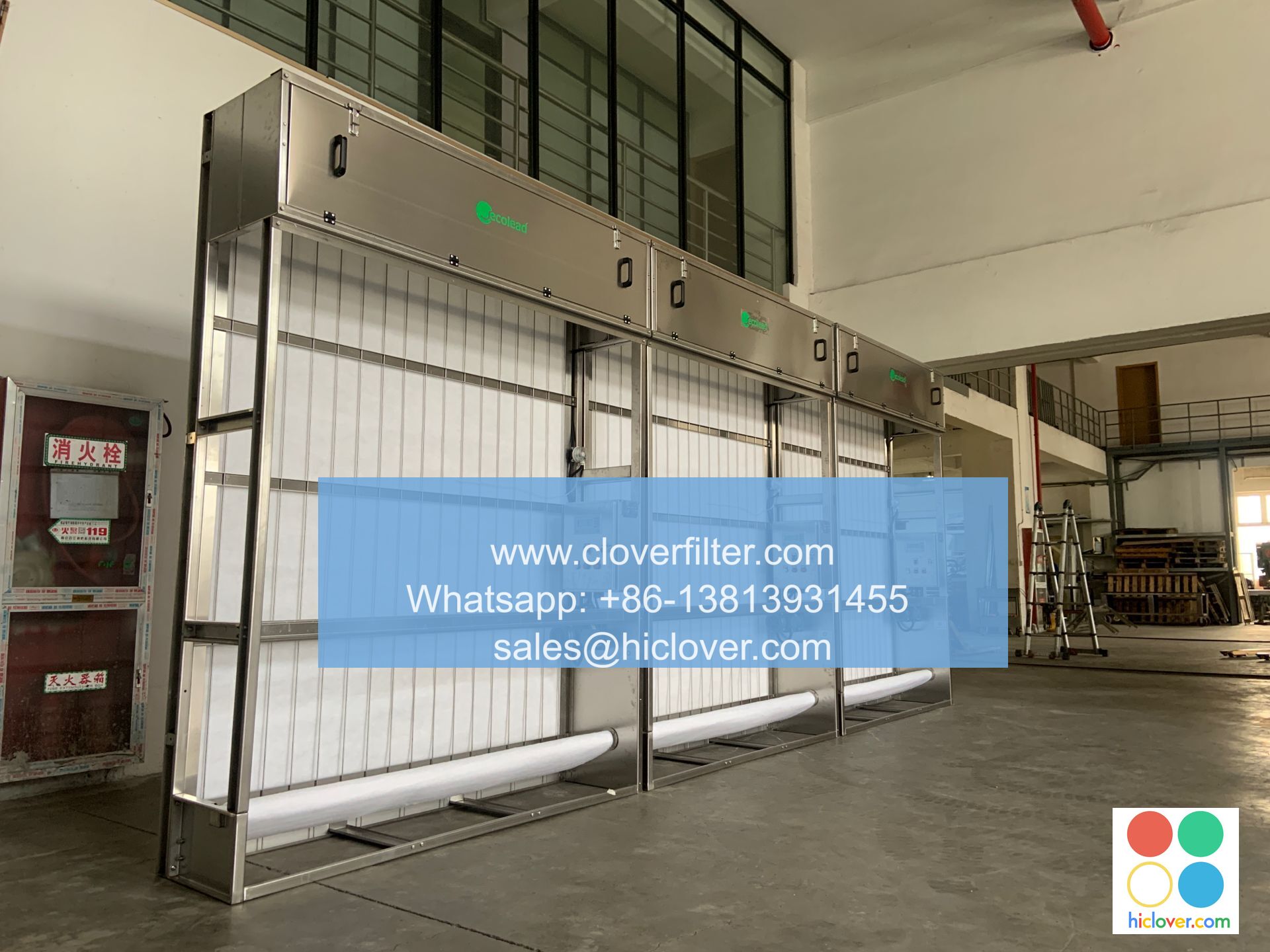
One of the most prevalent misconceptions is that all air filters are created equal. The truth is that there are many types of air filters, including HEPA filters, activated carbon filters, and electrostatic filters, each designed to trap different kinds of pollutants. HEPA filters, for instance, are renowned for their ability to capture at least 99.97% of particles that are 0.3 microns in size, making them ideal for households with allergy sufferers.
Myth 2: Replacing Filters Isn’t Necessary
Many homeowners believe that once they install an air filter, they do not need to worry about it again. However, neglecting to replace air filters can lead to decreased air quality and inefficient HVAC systems. Filters should typically be changed every 3 to 6 months, depending on usage, conditions, and the type of filter.
Application Area: Allergy Relief
For individuals suffering from allergies, using quality air filters can vastly improve symptoms. Many air filters are designed to remove allergens like pollen, dust mites, and pet dander, making them essential for maintaining a comfortable living space.

Myth 3: More Expensive Filters Are Always Better
While it’s true that price can often reflect quality, it’s misleading to assume that higher cost always translates to better performance. Some affordable filters may meet your specific needs just as effectively as their pricier counterparts. Homeowners should look for filters that meet their needs and comply with the Minimum Efficiency Reporting Value (MERV) rating system to determine the right balance between price and efficiency.
Application Area: Reducing Odors
Activated carbon filters are particularly effective at capturing odors and volatile organic compounds (VOCs). These filters are invaluable in settings like kitchens and laundry rooms where unpleasant smells may linger.
Myth 4: Air Filters Only Affect Air Quality
Another common misconception is that air filters primarily impact indoor air quality. In reality, they also contribute to the overall efficiency of HVAC systems. A clean filter can help systems work more efficiently, leading to reduced energy bills and longer lifespan for heating and cooling units.
Application Area: Energy Efficiency
Regularly maintaining your air filter can lead to better airflow, which in turn reduces strain on your HVAC system. Households can save money on energy costs while ensuring a comfortable environment throughout the year.
Myth 5: Air Filters Can Keep Your Home Free of Allergens
While air filters are an essential part of improving indoor air quality, they should not be viewed as a one-stop solution. Homes often require a combination of strategies, such as regular cleaning, proper ventilation, and smart use of dehumidifiers, in addition to using quality air filters to minimize allergens effectively.
Conclusion
Understanding the truth about residential air filters enables homeowners to make informed decisions about their indoor air quality. By debunking common myths, we can appreciate the critical role these filters play in allergy relief, energy efficiency, and overall health. It’s essential to select the right kind of filter, adhere to maintenance schedules, and incorporate additional strategies for a healthier home environment.
It seems like you might be looking for a prompt for writing, brainstorming, or engaging in a creative task. Could you please provide more details about what type of prompt you are interested in? For example, are you looking for a writing prompt, a discussion topic, or something else?
