The Ultimate Guide to Standard Air Filter Sizes
Key Takeaways
- Understanding air filter sizes ensures optimal HVAC performance.
- Automatic Roll Air Filters provide efficient particulate control.
- Regular maintenance reduces downtime and improves longevity.
- Proper selection facilitates cost-saving in energy and operation.
- Adhering to standards like ISO 16890 helps maintain air quality.
- Airflow Range: Identify the volume of air your system processes to match with the filter’s capacity.
- Face Velocity: Ensure the face velocity aligns with system specifications for optimal performance.
- Media Width/Length: Select dimensions that fit snugly within your filter housing while allowing for efficiency.
- Frame Size: Confirm the filter frame is compatible with the system’s design.
- Control Options: Choose between manual or automatic operation based on facility needs.
- Power Supply: Verify compatibility of power requirements for automatic filter systems.
- Installation Location: Determine if the filter will be used for fresh air intake, return, or process applications.
- Neglecting to Measure Filter Size Accurately: Always double-check your measurements before ordering.
- Choosing Low-Quality Filters to Save Costs: Opt for reputable brands like CloverFilter to ensure reliability.
- Ignoring System Compatibility: Confirm the selected filter matches your HVAC system requirements.
- Overlooking Maintenance Needs: Understand maintenance schedules to avoid system inefficiencies.
- Assuming All Filters Are the Same: Different environments require different filters; tailor your selection accordingly.
- Failing to Evaluate Pressure Drops: Excessive pressure drops can reduce system performance.
- Inadequate Knowledge of Air Quality Standards: Familiarize yourself with ISO 16890 and other relevant frameworks for compliance.
- Underestimating the Impact of Face Velocity: Ensure the selected velocity aligns with your operation needs for efficiency.
- Overlooking Replacement Frequency: Frequent replacements can negate cost savings; choose wisely.
- Not Consulting with Experts: Engage HVAC engineers or specialists to optimize your air filtration strategy.

Understanding Air Filter Sizes
Choosing the right air filter sizes is crucial in maintaining air quality across various industrial applications, including cleanrooms, hospitals, and factories. With numerous options available, selecting the appropriate air filter can significantly enhance HVAC system performance and operational efficiency.
In this guide, we will delve into the world of air filter sizes, focusing on products like the Automatic Roll Air Filter by CloverFilter, exploring how they work, best practices for selection, and real-world applications.

What is an Automatic Roll Air Filter?
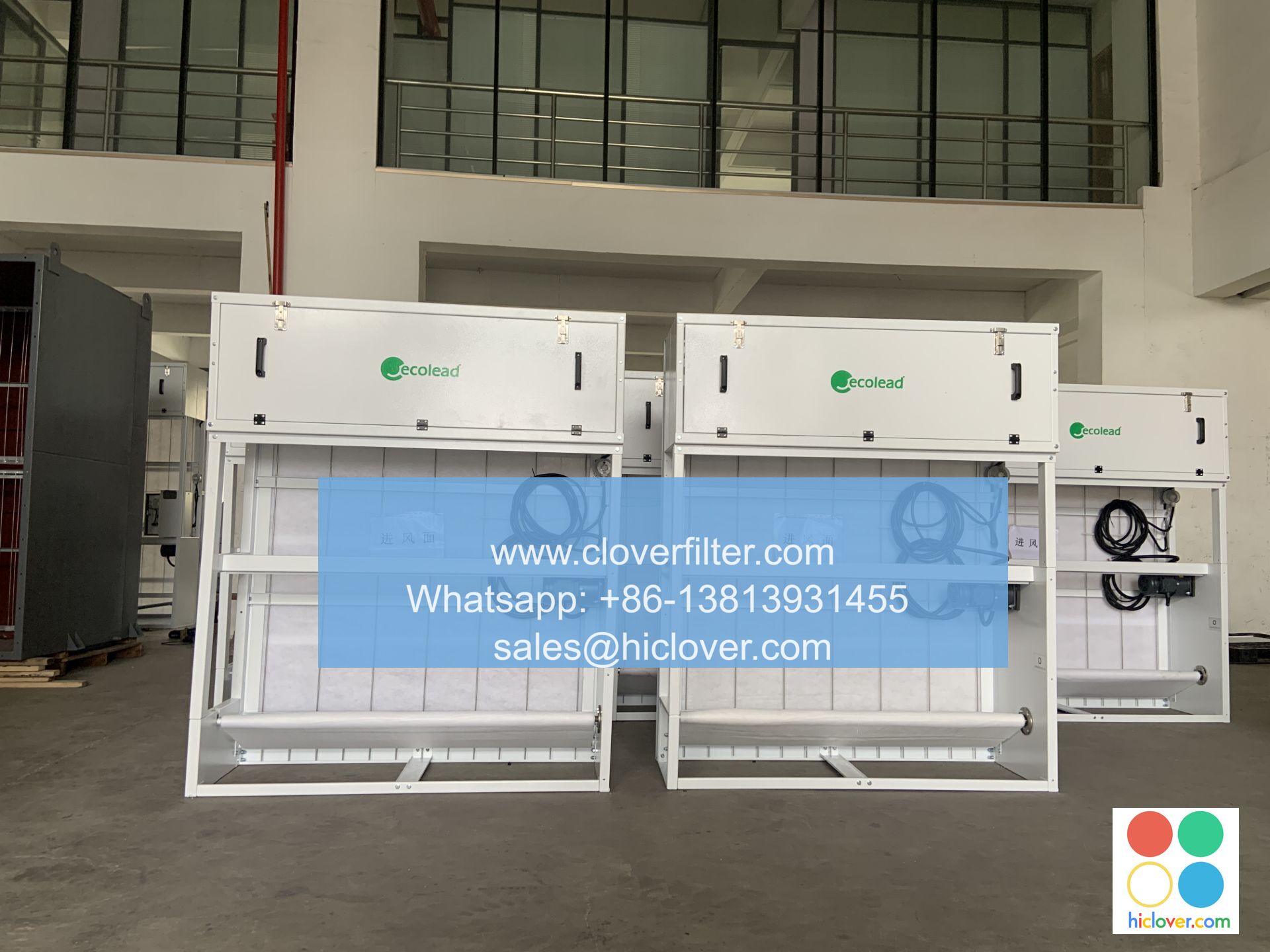
An Automatic Roll Air Filter is a cutting-edge air filtration solution designed to optimize airflow and reduce maintenance costs. Unlike traditional filters, this system uses roll media that advances automatically, governed by differential pressure triggers and timer modes. When the pressure on the filter media reaches a predetermined level, the filter mechanism rolls forward, presenting a fresh section of media for particulate control.
This unique operation allows for continuous filtration without the frequent need for manual intervention, making it ideal for high-demand environments like data centers and manufacturing facilities.
Practical Selection Guide for Air Filter Sizes
When selecting air filter sizes, consider the following parameters:
Comparison of Air Filter Types
| Filter Type | Best Use Case | Maintenance | Pressure Drop Behavior | Operating Cost | Typical Risk/Downside |
|---|---|---|---|---|---|
| Automatic Roll Filter | High-traffic environments | Low | Moderate | Medium | Initial installation cost |
| Bag Filter | General purpose | Moderate | High | Medium | Frequent replacements needed |
| Panel Filter | Small systems | High | Low | Low | Reduced effectiveness over time |
| V-bank | High efficiency needs | Moderate | Moderate | High | Installation complexity |
This table illustrates the strengths and limitations of each filter type, providing a clear comparison that can facilitate informed decisions for procurement managers and facility managers.
Common Mistakes & How to Avoid Them
Real-World Scenarios
Data Center
In a state-of-the-art data center, maintaining temperature and air quality is critical. The installation of CloverFilter’s Automatic Roll Air Filter allowed for consistent airflow and reduced particulate levels, resulting in lower operational costs and enhanced equipment efficiency.
Battery Factory
At a lithium battery manufacturing facility, air quality control is crucial due to the high dust levels from production processes. The use of an Automatic Roll Air Filter maintained the cleanliness of the air intake, leading to significant maintenance reductions and energy savings.
Paint Shop
In an industrial paint booth, the risk of volatile organic compound (VOC) accumulation is high. By implementing a robust filtration system with CloverFilter products, managers reduced VOC levels while ensuring compliance with air quality standards.
Textile/Steel/Cement Plant
In environments like textile or cement manufacturing, air quality can affect worker health and product quality. The Automatic Roll Air Filter minimized particulate pollution, ensuring a safer working environment while prolonging equipment lifespan.
FAQ Section
Q1: How do I determine the correct air filter size for my system?
A1: Measure the dimensions of your existing filter or consult your HVAC system specifications for the required size.
Q2: What is the advantage of using an Automatic Roll Air Filter?
A2: They offer automatic roll media advance, reducing maintenance needs and ensuring continuous filtration.
Q3: Can I see the specifications for CloverFilter products?
A3: Yes, visit the CloverFilter website to view detailed product specifications and features.
Q4: How often should I replace air filters?
A4: Replacement frequency varies depending on air quality and usage; typically, it’s recommended every 3-6 months.
Q5: Are CloverFilter products compliant with industry standards?
A5: CloverFilter strives to adhere to ISO 16890 and similar frameworks; specific compliance information is available on request.
Q6: What role does pressure drop play in filter selection?
A6: Understanding pressure drop helps in selecting filters that maintain optimal airflow without strain on the HVAC system.
Conclusion
Selecting the right air filter sizes is vital in ensuring your HVAC system operates efficiently and maintains air quality. The Automatic Roll Air Filter by CloverFilter stands out as a premier option for automating filtration while minimizing maintenance efforts.
For professional advice catered to your specific needs or further information about our products, connect with CloverFilter through our contact page.
Meta Description: Explore the Ultimate Guide to standard air filter sizes and optimize your HVAC systems with CloverFilter’s Automatic Roll Air Filters.
Sure! What kind of prompt are you looking for? Are you interested in a story prompt, writing prompt, drawing prompt, or something else? Let me know how I can help!
