Thunder Bay Medical Research Facility’s Air Filtration System: An Overview
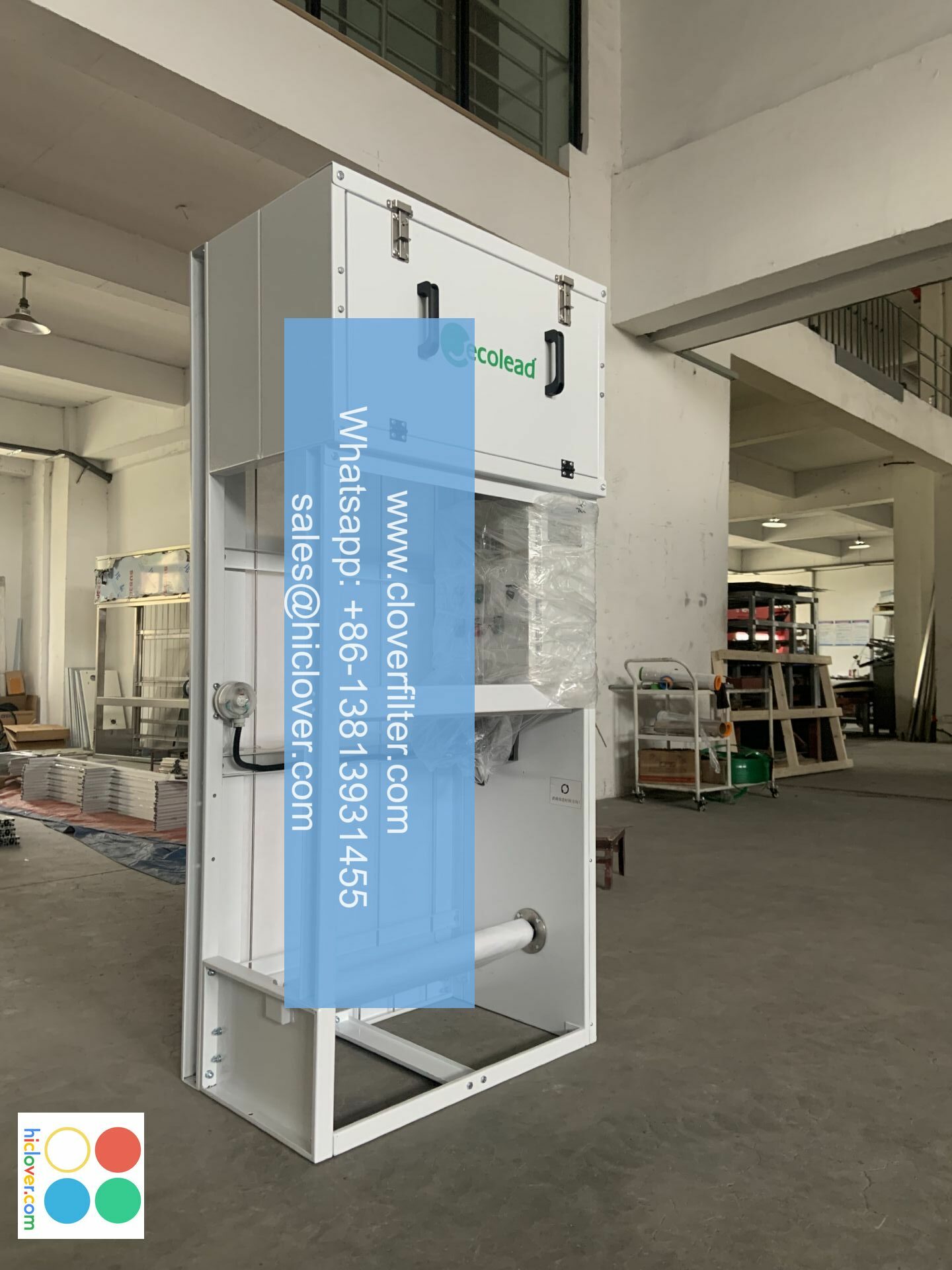
The Thunder Bay Medical Research Facility is a state-of-the-art research center dedicated to advancing medical knowledge and improving human health. One of the critical components of the facility is its air filtration system, which plays a vital role in maintaining a safe and healthy environment for researchers, staff, and patients. In this article, we will provide an overview of the air filtration system at the Thunder Bay Medical Research Facility, highlighting its key features, benefits, and importance.
The air filtration system at the Thunder Bay Medical Research Facility is designed to provide a high level of air quality, removing airborne contaminants and pollutants that can compromise the health and safety of occupants. The system consists of a network of air handlers, filters, and ducts that work together to circulate and purify the air throughout the facility. The air handlers are equipped with high-efficiency filters that capture 99.97% of particles as small as 0.3 microns, including dust, pollen, bacteria, and viruses.

The air filtration system is divided into several zones, each serving a specific area of the facility. This zoning system allows for precise control over air quality and pressure, ensuring that each area receives the required level of filtration and ventilation. The system is also equipped with advanced sensors and monitoring equipment, which continuously track air quality parameters such as temperature, humidity, and particle counts. This real-time data enables facility managers to quickly identify and respond to any air quality issues, ensuring a safe and healthy environment for occupants.
The air filtration system at the Thunder Bay Medical Research Facility is designed to meet the highest standards of air quality, exceeding those required by regulatory agencies such as the Centers for Disease Control and Prevention (CDC) and the National Institutes of Health (NIH). The system is also designed to be energy-efficient, using advanced technologies such as variable air volume (VAV) systems and heat recovery ventilation (HRV) systems to minimize energy consumption and reduce the facility’s carbon footprint.
The benefits of the air filtration system at the Thunder Bay Medical Research Facility are numerous. By providing a high level of air quality, the system helps to prevent the spread of airborne diseases, reducing the risk of infection and illness among occupants. The system also helps to improve cognitive function and productivity, as clean air has been shown to improve concentration, memory, and mood. Additionally, the system helps to protect sensitive equipment and research materials from damage caused by airborne contaminants, ensuring the integrity of research data and results.
In conclusion, the air filtration system at the Thunder Bay Medical Research Facility is a critical component of the facility’s infrastructure, providing a safe and healthy environment for researchers, staff, and patients. The system’s advanced features, including high-efficiency filters, zoning, and real-time monitoring, ensure that the air quality meets the highest standards, exceeding regulatory requirements. The benefits of the system are numerous, including improved health and safety, increased productivity, and protection of sensitive equipment and research materials.

Frequently Asked Questions (FAQs)
Q: What type of filters are used in the air filtration system at the Thunder Bay Medical Research Facility?
A: The air filtration system uses high-efficiency filters that capture 99.97% of particles as small as 0.3 microns, including dust, pollen, bacteria, and viruses.
Q: How often are the filters replaced?
A: The filters are replaced every 6-12 months, depending on usage and air quality conditions.
Q: Can the air filtration system be adjusted to meet specific research requirements?
A: Yes, the system can be adjusted to meet specific research requirements, including customizing air quality parameters such as temperature, humidity, and particle counts.
Q: Is the air filtration system energy-efficient?
A: Yes, the system is designed to be energy-efficient, using advanced technologies such as variable air volume (VAV) systems and heat recovery ventilation (HRV) systems to minimize energy consumption and reduce the facility’s carbon footprint.
Q: Who is responsible for maintaining the air filtration system?
A: The facility’s maintenance team is responsible for maintaining the air filtration system, including replacing filters, performing routine maintenance, and troubleshooting issues.
