Tips for Choosing the Right Air Filter for Your Needs
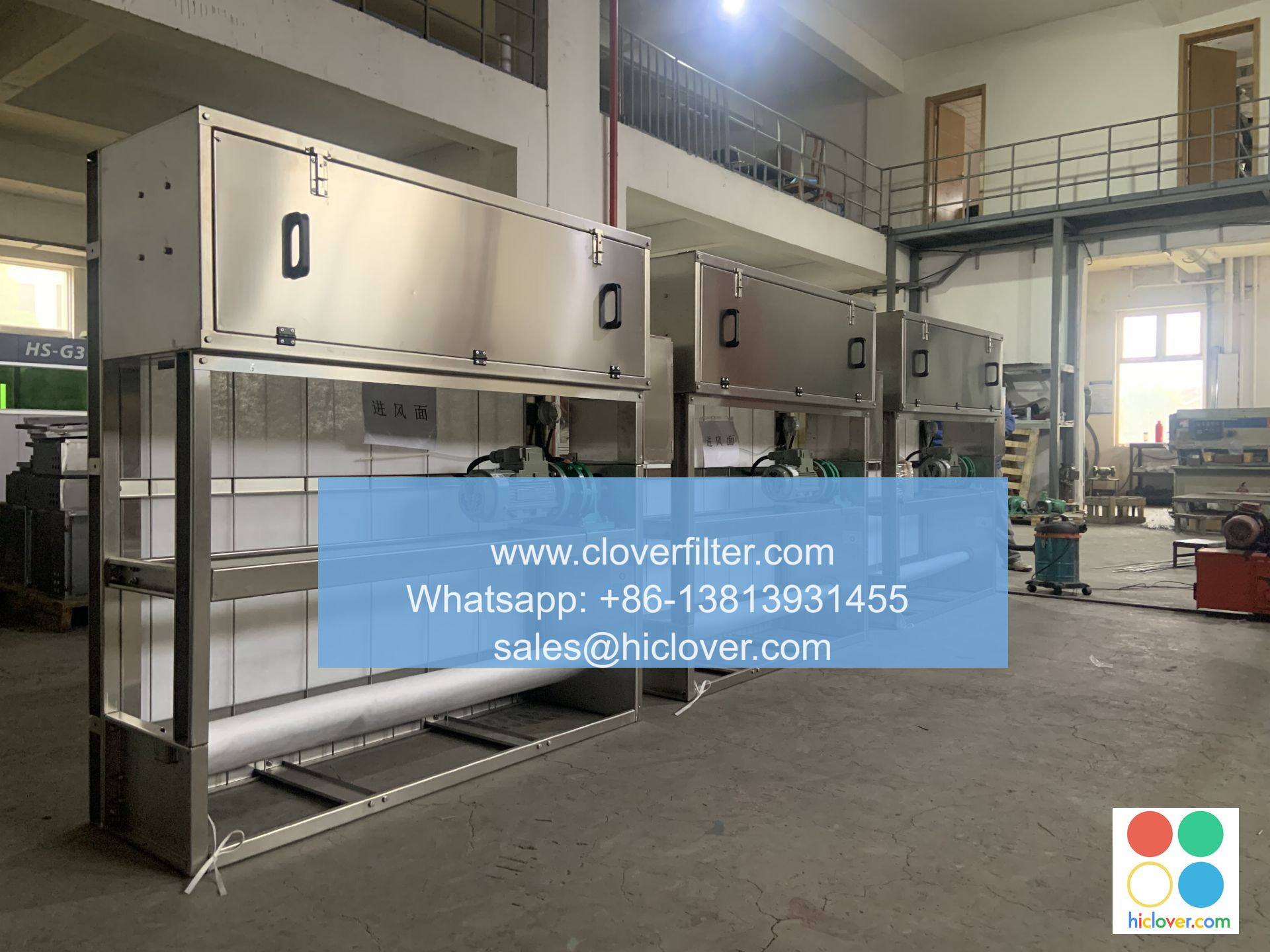
- Understanding air filter performance is crucial for effective air quality management.
- Consider airflow range and face velocity for optimal selection.
- Choose appropriate media width and frame size to fit your system.
- Evaluate control options and power supply compatibility.
- Place filters in the correct location to enhance efficiency.
- Pay attention to maintenance needs to reduce operational costs.
- Leverage industry standards like MERV and ISO 16890 to guide your choice.
- Roll Media Advance Logic: Automatic systems reduce downtime and manual labor by refreshing the filter media without user intervention.
- Differential Pressure Trigger: Monitors airflow to optimize performance and indicates when to replace the media.
- Timer Mode: Set on a schedule for regular replacement, ensuring proactive maintenance.
- Energy Efficiency: Optimizes airflow with lower pressure drops compared to traditional filters.
- Airflow Range: Understand your system’s required airflow to select a compatible filter.
- Face Velocity: Ensure the velocity aligns with the system’s design to maximize efficiency.
- Media Width & Length: Fit the media size to your existing framework for seamless integration.
- Frame Size: Select frames that align with your filter housing, ensuring a tight seal to prevent bypassing.
- Control Options: Decide between manual or automated integration based on your operational capabilities and needs.
- Power Supply: Check compatibility with your current systems to avoid additional costs in adaption.
- Installation Location: Identify whether the filter will be installed in fresh air intake, return air, or process circulation applications.
- Ignoring Airflow Requirements: Select filters that match your system’s specific requirements.
- Mismatching Face Velocity: Ensure face velocity is consistent with what the filter is designed for.
- Neglecting Maintenance Schedule: Follow a regular maintenance schedule to avoid efficiency loss.
- Underestimating Differential Pressure: Monitor pressure drops to avoid unnecessary energy costs.
- Not Considering Filter Size: Measure your filter housing before purchasing.
- Overlooking Compatibility: Ensure the air filter integrates smoothly with existing systems.
- Failing to Understand Load: Choose a filter that can manage the particle load in your environment effectively.
-
Data Center: Maintaining low particulate counts through automatic filters ensures optimal equipment performance and longevity.
-
Battery Factory: The need for contamination control is paramount, and an Automatic Roll Air Filter helps minimize particulate exposure to sensitive materials.
-
Paint Shop: High-capacity filters mitigate overspray while maintaining airflow, thus preserving the quality of the finished product.
-
Textile/Steel/Cement Plant: Adopting Automatic Roll Air Filters in these heavy industries aids in managing dust load and enhancing overall air quality.
- Evaluate air filter performance based on your specific air quality needs.
- Consider task suitability, maintenance frequency, and operational costs when selecting filters.
- Utilize appropriate filtration media while remaining compliant with industry standards.
- Harness the efficiency of Automatic Roll Air Filters from CloverFilter for improved performance.

Understanding Air Filter Performance
Selecting the right air filter can dramatically affect the air filter performance in your facility. The right filter not only enhances air quality but also contributes to operational efficiency. An Automatic Roll Air Filter, like those offered by CloverFilter, provides a smart solution for maintaining clean air while minimizing maintenance tasks. This type of filter works on a roll media advance logic that automatically feeds new filter material as the old material becomes saturated, ensuring continuous air filtration without manual intervention.
These filters are activated by differential pressure triggers, which allow the system to determine when a replacement of the filter media is necessary. They can also operate in a timer mode, ensuring that your facility maintains optimal filtration performance based on preset schedules.
What is an Automatic Roll Air Filter?
An Automatic Roll Air Filter is a sophisticated system designed for various HVAC and AHU (Air Handling Unit) applications. This filter utilizes a roll media system that automatically advances as the filter collects particles from the air, maintaining constant air quality. Primarily, these filters are perfect for environments demanding high air cleanliness, such as cleanrooms, data centers, and factories producing sensitive materials like lithium batteries.
Key Features of Automatic Roll Air Filters
Selection Criteria for Air Filters
Choosing the right air filter involves recognizing several critical criteria:
Comparison of Air Filters
Below is a helpful comparison table for various types of air filters:
| Filter Type | Best Use Case | Maintenance | Pressure Drop Behavior | Operating Cost | Typical Risk/Downside |
|---|---|---|---|---|---|
| Automatic Roll Filter | High airflow environments | Low | Steady | Moderate | Requires monitoring system |
| Bag Filter | General HVAC applications | Moderate to high | Varies | Low to moderate | Higher pressure drop over time |
| Panel Filter | Small areas or HVAC systems | Low | Steady | Low | Frequent replacements |
| V-bank Filter | Large volume air needs | Low | Steady | Low | Limited effectiveness in fine particles |
Common Mistakes & How to Avoid Them
Choosing the correct air filter involves understanding what to avoid. Here are common pitfalls:
Real-World Scenarios
FAQ Section
Q1: What is the average lifespan of an Automatic Roll Air Filter?
A1: Typically, these filters can last anywhere from 6 months to 1 year, depending on the environment and particulate load.
Q2: How do I know if my filter needs replacement?
A2: Systems with differential pressure monitoring will alert you; otherwise, physical inspection is advisable.
Q3: Are Automatic Roll Air Filters energy efficient?
A3: Yes, they are designed to minimize pressure drop, leading to energy savings over time.
Q4: Can these filters be used in a hospital?
A4: Absolutely, they are suitable for environments that require stringent air quality standards.
Q5: What standards should I consider when selecting air filters?
A5: Common standards include MERV and ISO 16890, but always consult specific compliance requirements for your industry.
Q6: How can I ensure my filter is installed correctly?
A6: Review the manufacturer’s installation guidelines and consult HVAC professionals for optimal setup.
Key Takeaways
Choosing the right air filter is critical to meeting your facility’s air quality requirements, and leveraging expert solutions like CloverFilter’s Automatic Roll Air Filter ensures that you make an informed decision. For further assistance, visit CloverFilter or reach out through our contact page.
Meta Description: Discover tips for perfect air filter performance tailored to your industrial needs. Learn about Automatic Roll Air Filters and more from CloverFilter.
Sure! What kind of prompt are you looking for? It could be for writing, brainstorming, art, or something else entirely. Let me know how I can help!
