Tips for Extending the Lifespan of Your Air Filter
Key Takeaways:
- Understand the principles of air filter lifespan to enhance efficiency.
- Regular maintenance significantly impacts filter longevity.
- Choose the right type of air filter for your specific application.
- Monitor differential pressure to anticipate maintenance needs.
- Ensure correct installation and airflow settings.
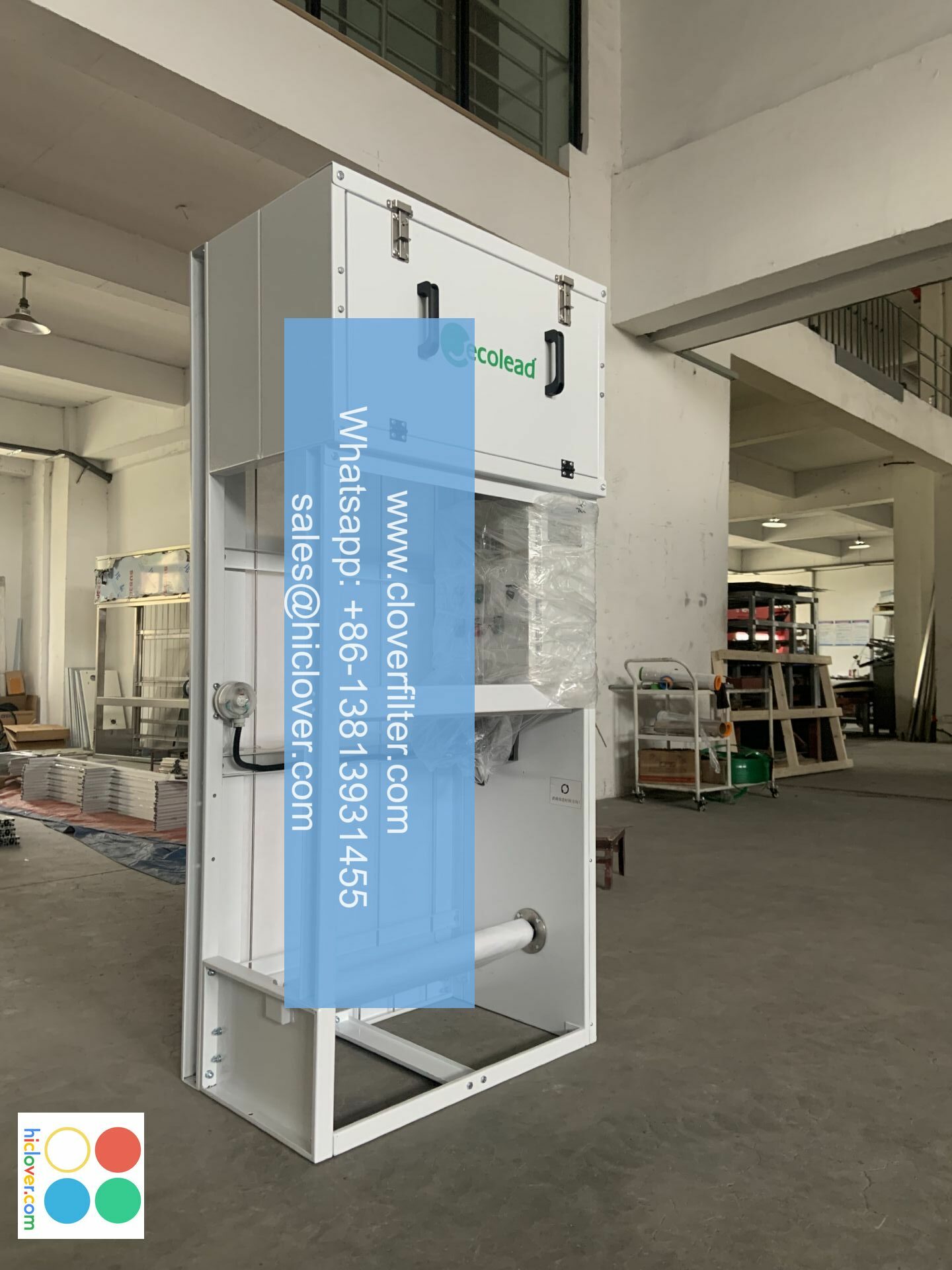
- Consider using CloverFilter’s Automatic Roll Air Filter for optimized performance.
- Roll Media Advance Logic: As the media captures particulate, it gradually rolls onto a new, unused section of the filter.
- Differential Pressure Trigger: This feature alerts users to when maintenance is required, indicating optimal times for filter changes.
- Timer Mode: It allows for pre-scheduled changes, reducing the risk of losing air quality due to a dirty filter.
- Ignoring Differential Pressure Readings: Regularly monitoring filter resistance can prevent premature filter replacement.
- Overlooking Installation Guidelines: Poor installation can lead to bypass air, reducing filtration efficiency.
- Neglecting Regular Maintenance Checks: Establish a maintenance schedule to facilitate timely replacements.
- Choosing Incorrect Filter Media: Tailor selection to the specific contaminants encountered in the application environment.
- Inadequate Airflow Management: Ensure face velocity matches design specifications to maintain optimal performance.
- Failing to Evaluate Filter Size: Insufficient sizing can lead to increased pressure drop and energy inefficiency.
- Disregarding Environment Factors: Conditions such as humidity and temperature can impact filter lifespan significantly.
- Ignoring Alerts from Automated Systems: Maintain an action plan to promptly address alerts from differential pressure systems.
- Thinking All Filters are Equal: Recognize the unique features of different filters and their suitability for specific environments.
- Misunderstanding Filter Ratings: Familiarize yourself with efficiency standards like ISO 16890/MERV to select suitable filters.
-
Data Center: A major data center transitioned to CloverFilter’s Automatic Roll Air Filter, experiencing a reduction in system downtime due to its superior particulate control, which extended air filter lifespan significantly.
-
Battery Factory: The facility adopted the automatic roll media system to combat heavy particulate loads, achieving cost savings through reduced maintenance and increased overall energy efficiency.
-
Paint Shop: Implementing the CloverFilter solution minimized overspray and VOC emissions while ensuring compliance with air quality standards, effectively extending the air filter lifespan.
-
Textile/Steel/Cement Plant: The utilization of the Automatic Roll Air Filter optimized air quality control in heavy industrial applications, proving essential for operational integrity and longevity.

Understanding Air Filter Lifespan
Air filter lifespan refers to the duration an air filter can effectively clean the air before needing replacement. This concept is critical for industries where air quality is a priority, such as data centers, hospitals, and manufacturing facilities. A longer air filter lifespan not only saves money but also reduces downtime, ensuring a consistently clean environment.

CloverFilter offers a premier product in this category: the Automatic Roll Air Filter. This innovative filter utilizes advanced roll media technology, which allows for automatic advancement, improving air quality and filter life efficiency. With differential pressure triggers and timer modes, it provides a smarter approach to air filtration.
What Is an Automatic Roll Air Filter?
The Automatic Roll Air Filter is engineered to meet the demands of various industrial applications. Designed for HVAC/AHU systems, it features a roll media advance logic that replaces the old filter media as it becomes saturated, extending its air filter lifespan.
How It Works:
This robust filtration solution is suitable for multiple locations within HVAC systems, including fresh air intakes and return ducts.
Practical Selection Guide for Air Filters
Choosing the right air filter involves understanding several key parameters:
| Parameter | Recommended Details |
|---|---|
| Airflow Range | Tailored to the specific requirements of your facility |
| Face Velocity | Generally between 1.0 to 2.5 m/s |
| Media Width/Length | Depends on installation area; customizable sizes available |
| Frame Size | Available in various dimensions to fit standard HVAC systems |
| Control Options | Manual or automatic, depending on operational needs |
| Power Supply | Typically low voltage; confirm compatibility |
| Installation Location | Fresh air intake, return, or process air tailored installations |
Selecting the appropriate configuration will optimize the air filter lifespan and minimize operational costs.
Comparison Table: Filter Types
| Filter Type | Best Use Case | Maintenance | Pressure Drop Behavior | Operating Cost | Typical Risk/Downside |
|---|---|---|---|---|---|
| Automatic Roll Air Filter | Continuous operation | Low | Consistent | Lower over time | Initial setup may require adjustments |
| Bag Filter | Heavy particulate loads | Medium | Moderate | Moderate | Higher regular maintenance needs |
| Panel Filter | Light dust areas | High | Variable | Higher | Short lifespan; frequent replacements |
| V-bank Filter | Limited space needs | Low | Low | Moderate | Can clog quickly under heavy loads |
CloverFilter’s Automatic Roll Air Filter distinguishes itself with low maintenance and consistent filtering performance, making it a preferred choice for industries prioritizing efficiency.
Common Mistakes & How to Avoid Them
Real-World Scenarios
Frequently Asked Questions
Q1: What is the average lifespan of an air filter?
A1: The average air filter lifespan varies significantly, often ranging from 3 to 12 months, depending on usage and environmental factors.
Q2: How can I tell when I need to change my air filter?
A2: Monitor differential pressure and follow the recommendations of the filter manufacturer; most systems will alert you when change is needed.
Q3: Can I use an air filter in any HVAC system?
A3: Not all filters are universally compatible; select air filters based on the specific requirements of your HVAC systems.
Q4: What impact does a clogged filter have on my system?
A4: A clogged air filter can lead to decreased airflow, increased energy consumption, and even equipment damage if not regularly maintained.
Q5: Are there filters specifically designed for cleanrooms?
A5: Yes, certain filters are rated for cleanroom applications, focusing on controlling particulate levels to very low thresholds while ensuring air filtration efficiency.
Q6: What are the energy saving benefits of using an Automatic Roll Air Filter?
A6: By maintaining optimal airflow and reducing energy consumption for HVAC operations, users typically see long-term cost savings.
Conclusion
To maximize the air filter lifespan, choose the right air filter for your specific application, conduct regular maintenance, and utilize advanced technologies like CloverFilter’s Automatic Roll Air Filter. By following these tips and employing strategic management of your HVAC systems, you can enhance air quality while also achieving significant cost savings.
Meta Description: Discover practical tips for extending your air filter lifespan and learn how CloverFilter’s Automatic Roll Air Filter can optimize your HVAC systems.
For more information or to get in touch with CloverFilter, visit CloverFilter Contact.
It looks like your message might have been cut off. Could you please provide more details or specify the prompt you’d like to discuss or explore? I’m here to help!
