Top 5 Air Filter Dimensions for Allergies and Asthma Relief
Key Takeaways:
- Understanding air filter dimensions is crucial for optimal air quality.
- Automatic Roll Air Filters offer innovative solutions for HVAC systems.
- Proper sizing affects performance, airflow, and energy efficiency.
- Maintenance practices can prolong filter lifespan significantly.
- Different filter types have unique best-use cases based on operational needs.
- Airflow Range: Assess the volumetric airflow requirements for your space.
- Face Velocity: Typical values should align with efficiency needs and system capabilities.
- Media Width/Length: Ensure dimensions fit your existing framework while providing substantial coverage.
- Frame Size: Choose an appropriate frame to securely hold the filter in place.
- Control Options: Evaluate whether you need automated controls for enhanced functionality.
- Power Supply: Check compatibility with existing system power requirements.
- Installation Location: The setup could be in fresh air intakes, return ducts, or as part of process air handlers.
- Ignoring Maintenance Needs: Always schedule regular inspections to ensure filters operate efficiently.
- Choosing Wrong Dimensions: Take accurate measurements of filters to avoid mismatching with the housing.
- Underestimating Airflow Requirements: Calculate the required airflow to select filters that meet system demands.
- Neglecting Media Type: Different environments may require specific filter media to effectively capture contaminants.
- Overlooking Energy Costs: Consider the operating costs associated with pressure drops and energy consumption.
- Inadequate Replacement Schedules: Regularly replace filters based on usage instead of relying solely on visual inspections.
- Misinterpreting Standards: Use industry frameworks like ISO 16890 as guiding principles, but do not assume automatic compliance.
-
Data Center: In a recent project, a leading data center replaced its traditional filters with the CloverFilter Automatic Roll Air Filter. The result was a 20% reduction in energy costs and enhanced particulate control, creating a more conducive environment for sensitive equipment.
-
Battery Factory: A lithium battery plant adopted the Automatic Roll Air Filter for its cleanroom environment. The superior air quality significantly reduced contamination risks, thereby enhancing production efficiency.
-
Paint Shop: In an industrial paint booth, switching to CloverFilter’s air filtration solution minimized overspray and volatile organic compounds (VOCs) in the air, promoting a safer work environment.
-
Textile/Steel/Cement Plant: An integrated facility adopted automatic roll media to manage airborne debris during operation. The result was decreased maintenance costs and notable improvements in air quality compliance measures.

Understanding Air Filter Dimensions
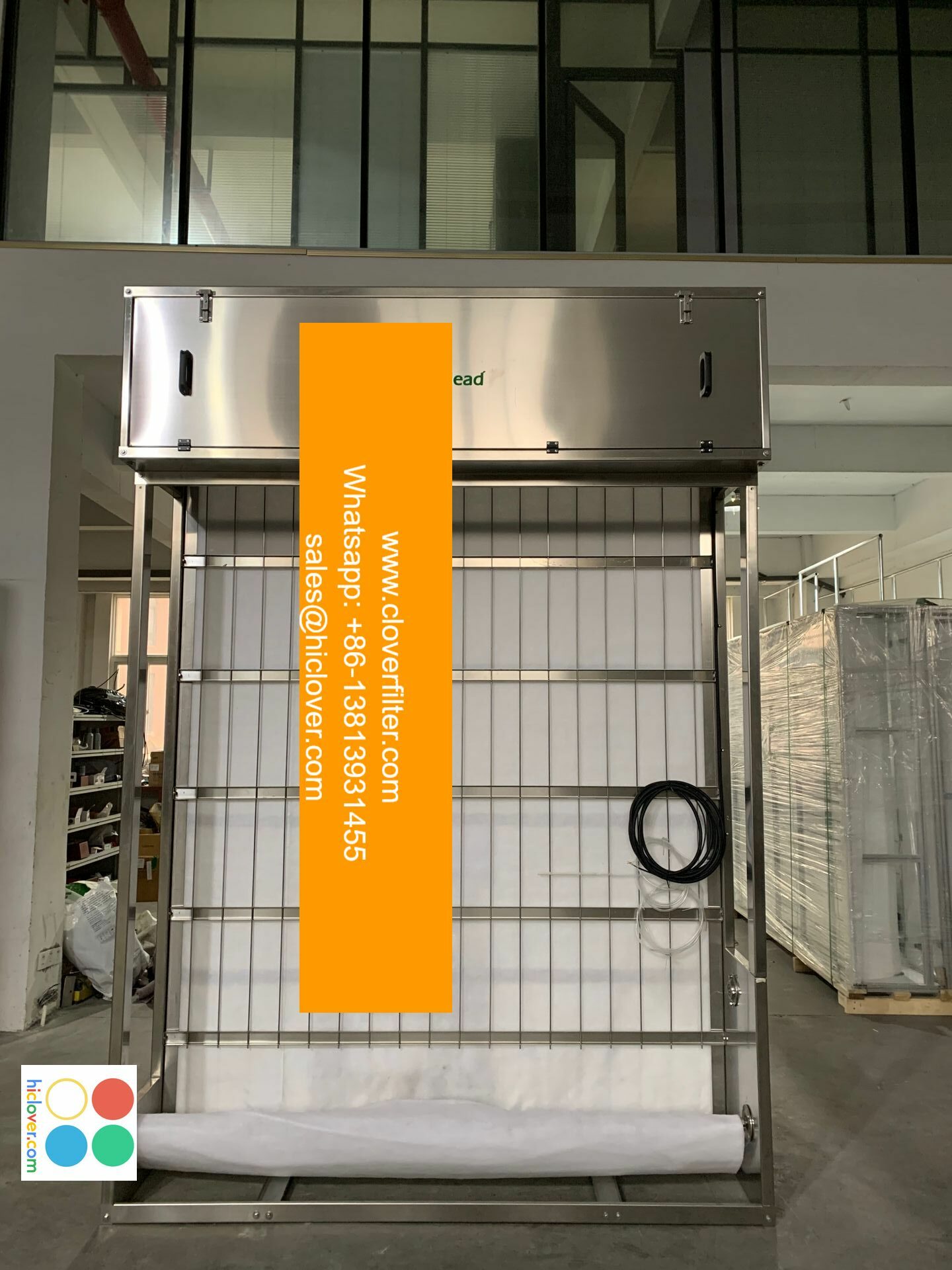
Air filter dimensions play a vital role in improving indoor air quality, particularly for individuals suffering from allergies and asthma. Selecting the right dimensions ensures that the filter fits seamlessly within HVAC systems while effectively removing airborne pollutants. The Automatic Roll Air Filter stands out in this regard, featuring a roll media that advances based on differential pressure triggers, making it an excellent solution for various operational settings such as cleanrooms and large commercial HVAC applications.

What is an Automatic Roll Air Filter?
An Automatic Roll Air Filter is a sophisticated air filtration solution designed to optimize overall system performance. This filter utilizes roll media that automatically advances when it detects a specific pressure differential, ensuring continuous air purification. The timer mode adds flexibility, allowing facility managers to customize filter operation according to peak demand times.
In HVAC and AHU systems, the Automatic Roll Air Filter can be utilized effectively in fresh air intake, return air, or process air applications. Its ability to provide consistently high filtration efficiency while minimizing pressure drop makes it invaluable for environments requiring clean air, such as hospitals and data centers.
How to Choose the Right Air Filter Dimensions
When selecting air filter dimensions for your specific application, consider the following factors:
By carefully considering these aspects, procurement managers and HVAC engineers can optimize their air filtration systems for maximum effectiveness.
Common Mistakes & How to Avoid Them
Comparison Table
| Filter Type | Best Use Case | Maintenance | Pressure Drop Behavior | Operating Cost | Typical Risk/Downside |
|---|---|---|---|---|---|
| Automatic Roll Air Filter | Large-scale operations | Low | Low to medium | Moderate | Initial cost |
| Bag Filter | General-purpose applications | Medium | Medium | Low to moderate | Bulkiness may require larger space |
| Panel Filter | Residential/Light commercial | High | High | Moderate | Frequent replacement required |
| V-bank | High-efficiency needs | Medium to Low | Low | High | Less flexible in adaptability |
The Automatic Roll Air Filter exhibits lower maintenance needs and reduced pressure drop, making it ideal for extensive filtration demands.
Real-World Scenarios
FAQ Section
Q1: How do I know what air filter dimensions I need?
A1: Measure the current filter slot dimensions and assess the airflow requirements for your specific application.
Q2: What maintenance is needed for Automatic Roll Air Filters?
A2: Regular inspections and timely media replacements are essential for optimal performance and energy savings.
Q3: Can I use Automatic Roll Air Filters in all HVAC systems?
A3: Yes, they are highly adaptable and can be used in various applications, including fresh air intakes and processing areas.
Q4: How does pressure differential affect filter performance?
A4: Filters may become less effective if the pressure drop exceeds acceptable levels, thus impacting airflow and filtration efficiency.
Q5: What standards govern air filtering for health applications?
A5: Industry frameworks like ISO 16890 and MERV standards provide guidelines but do not guarantee specific certifications without further validation.
Q6: What are the benefits of using roll filters instead of traditional filters?
A6: Roll filters typically have lower pressure drop and maintenance needs compared to traditional filters, resulting in longer replacement intervals and reduced operational costs.
Conclusion
Selecting the appropriate air filter dimensions is pivotal for ensuring optimal air quality, particularly for individuals dealing with allergies and asthma. CloverFilter’s Automatic Roll Air Filters stand out for their efficiency and adaptability, offering unmatched performance in various industrial settings. For more insights on air filtration solutions, reach out to CloverFilter’s team through this contact link.
Meta Description: Discover the top 5 air filter dimensions crucial for allergy and asthma relief, focusing on the innovative Automatic Roll Air Filter by CloverFilter.
For further assistance and to discuss your air filtration needs, connect with CloverFilter at CloverFilter Contact.
It looks like you entered “Prompt” but didn’t provide any additional information. How can I assist you today? Would you like help with a specific topic or a writing prompt? Let me know!
