Top 5 Benefits of Using Automatic Roll Media in Film Production
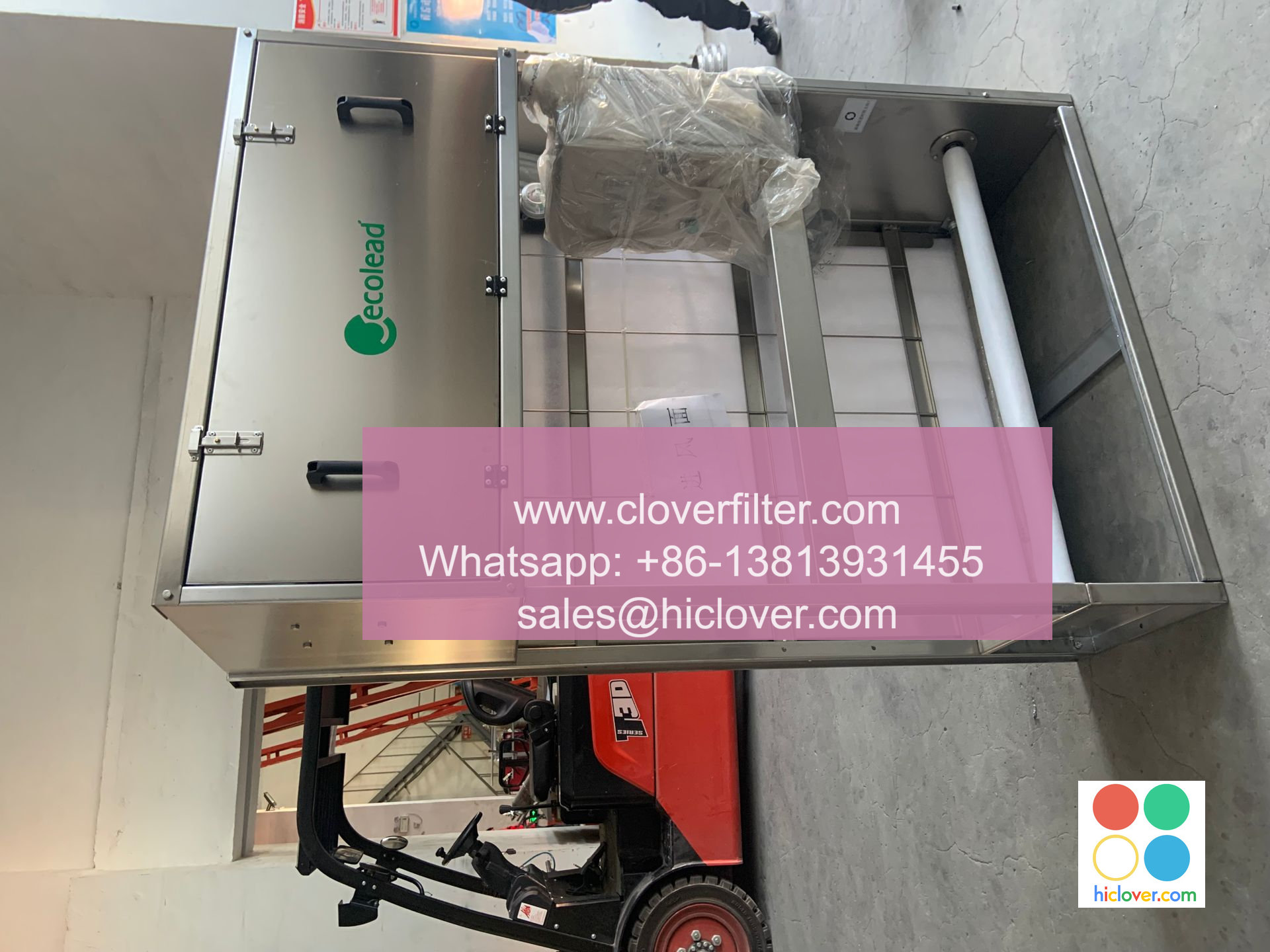
In the ever-evolving realm of film production, efficiency and quality are paramount. One of the significant advancements that have revolutionized the industry is the use of automatic roll media. This technology, which refers to the automated handling of film rolls, offers various advantages that every filmmaker should be aware of. Here, we explore the top five benefits of integrating automatic roll media into your film production workflow.
1. Enhanced Efficiency in Filming

One of the most notable benefits of using automatic roll media is the enhanced efficiency it brings to film production. Traditional methods of loading and handling film rolls can be time-consuming and labor-intensive. With automatic roll media systems, the process is streamlined. This automation reduces downtime, allowing filmmakers to focus more on the creative aspects of their projects, resulting in a more efficient shooting schedule.
2. Improved Consistency and Quality Control
When working on a film, consistency is key. Automatic roll media helps maintain a high level of quality control throughout the production process. Automated systems minimize human error in loading and monitoring film stocks. This not only ensures that the film is exposed correctly but also reduces the likelihood of costly reshoots due to technical mistakes. Consistent exposure and handling result in a better-quality final product.
3. Cost-Effective Production Solutions
In the competitive landscape of film production, keeping costs down without compromising quality is essential. Automatic roll media can lead to cost-effective production solutions. By reducing the amount of wasted film and minimizing re-takes, productions can save significant amounts of money. This aspect makes it particularly appealing for indie filmmakers and studios looking to maximize their budgets.
4. Versatility Across Various Production Types
Automatic roll media is highly versatile and can be adapted to a range of production types, from documentaries to feature films and even commercials. Whether a filmmaker is shooting in a controlled studio environment or on location, automatic roll media can be tailored to meet diverse needs. This adaptability helps production teams achieve their vision without being constrained by manual processes.
5. Streamlined Post-Production Workflow
Lastly, utilizing automatic roll media simplifies the post-production workflow. With better organization and handling of film rolls, transferring footage to editing suites becomes much more efficient. Less time spent on organization means more time for editing, color correction, and special effects, facilitating a smoother transition from shooting to final cut.
Conclusion
In summary, the integration of automatic roll media in film production presents numerous benefits, ranging from enhanced efficiency and quality control to cost-effectiveness and versatility. Filmmakers who embrace this technology can significantly improve their production processes, regardless of the scale of their projects. As the film industry continues to evolve, keeping pace with advancements like automatic roll media is crucial for staying competitive and producing exceptional motion pictures.
By understanding and leveraging these advantages, filmmakers can unleash their creativity and elevate their storytelling to new heights, ultimately leading to a richer viewer experience.
It seems like your message got cut off. Could you please provide more details or clarify what you would like assistance with? Whether it’s writing, brainstorming ideas, or answering questions, I’m here to help!
