Transforming Relief Efforts: The Role of Automatic Roll Filter Systems in Rwanda
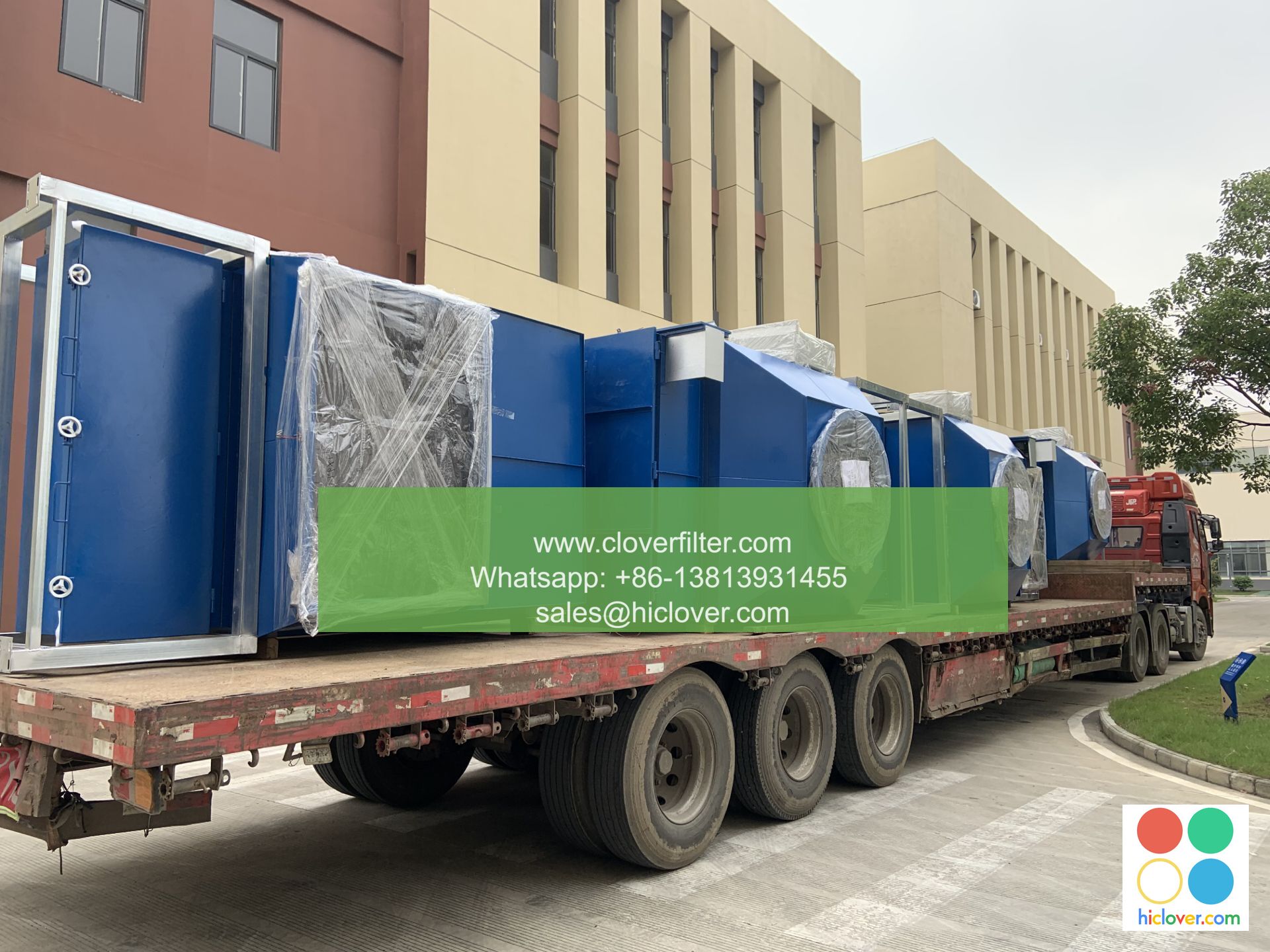
The use of advanced technologies in humanitarian aid has become increasingly vital in recent years, particularly in regions facing unique challenges like Rwanda. Among these innovations, the Automatic Roll Filter Systems stand out as a transformative tool, effectively enhancing relief efforts and ensuring more efficient resource distribution.
Understanding Automatic Roll Filter Systems

Automatic Roll Filter Systems are innovative filtration technologies designed to automatically clean and manage large volumes of water and other liquids. These systems utilize a mechanism that periodically cleans the filter media while it continues to operate, ensuring a consistent flow of clean resources. In Rwanda, where access to clean water is crucial during relief operations, these systems play a critical role in sustaining efforts, particularly during emergencies or natural disasters.
Enhancing Water Quality in Emergency Situations
One of the primary uses of Automatic Roll Filter Systems in Rwanda is in improving water quality during humanitarian crises. Flooding, landslides, and volcanic eruptions can contaminate local water supplies, necessitating rapid response mechanisms to ensure that affected populations have access to safe drinking water. These systems can be deployed quickly and operate efficiently, filtering out pathogens, sediments, and pollutants while adapting to fluctuating water conditions.
Applications in Public Health
The link between clean water and public health is undeniable. In an environment where waterborne diseases are prevalent, the introduction of Automatic Roll Filter Systems can significantly reduce the incidence of illness. By providing an immediate solution to water filtration, these systems contribute to health campaigns aimed at reducing disease transmission, especially among vulnerable populations, including children and the elderly.
Supporting Agricultural Initiatives
Beyond immediate humanitarian relief, Automatic Roll Filter Systems also have applications in agriculture. Rwanda’s economy heavily relies on agriculture, and having access to filtered water can enhance crop irrigation systems, improving yields and supporting food security. By ensuring that agricultural water is free from harmful contaminants, these systems can help foster sustainable farming practices that benefit the entire region.
Integration with Technological Advancements
The successful implementation of Automatic Roll Filter Systems in Rwanda is further supported by advancements in related technologies. Remote monitoring and control systems can be integrated with these filters, allowing for real-time data collection and management. This technological synergy enables relief organizations to better understand water quality, system performance, and ultimately, improve logistical operations during relief efforts.
Training and Capacity Building
Incorporating Automatic Roll Filter Systems into Rwanda’s relief strategies also necessitates building local capacity. Training programs that educate local communities on the use and maintenance of these systems not only empower communities but also ensure longevity and effectiveness in the filtration process. Building this local expertise is essential for sustainable development and self-sufficiency.
Conclusion
As Rwanda continues to develop and address its unique challenges, the incorporation of technologies like Automatic Roll Filter Systems represents a significant leap forward in transforming relief efforts. By enhancing water quality, supporting public health initiatives, and bolstering agricultural systems, these filters have the potential to change the lives of many. Embracing such innovations can foster a more resilient and sustainable future for Rwanda and its people.
It looks like you entered “Prompt.” Could you please provide more details or specify what you’re looking for? Whether it’s writing prompts, questions, or any other topic, I’m here to help!
