Troubleshooting Air Filter Issues: A Guide to Industry Standards
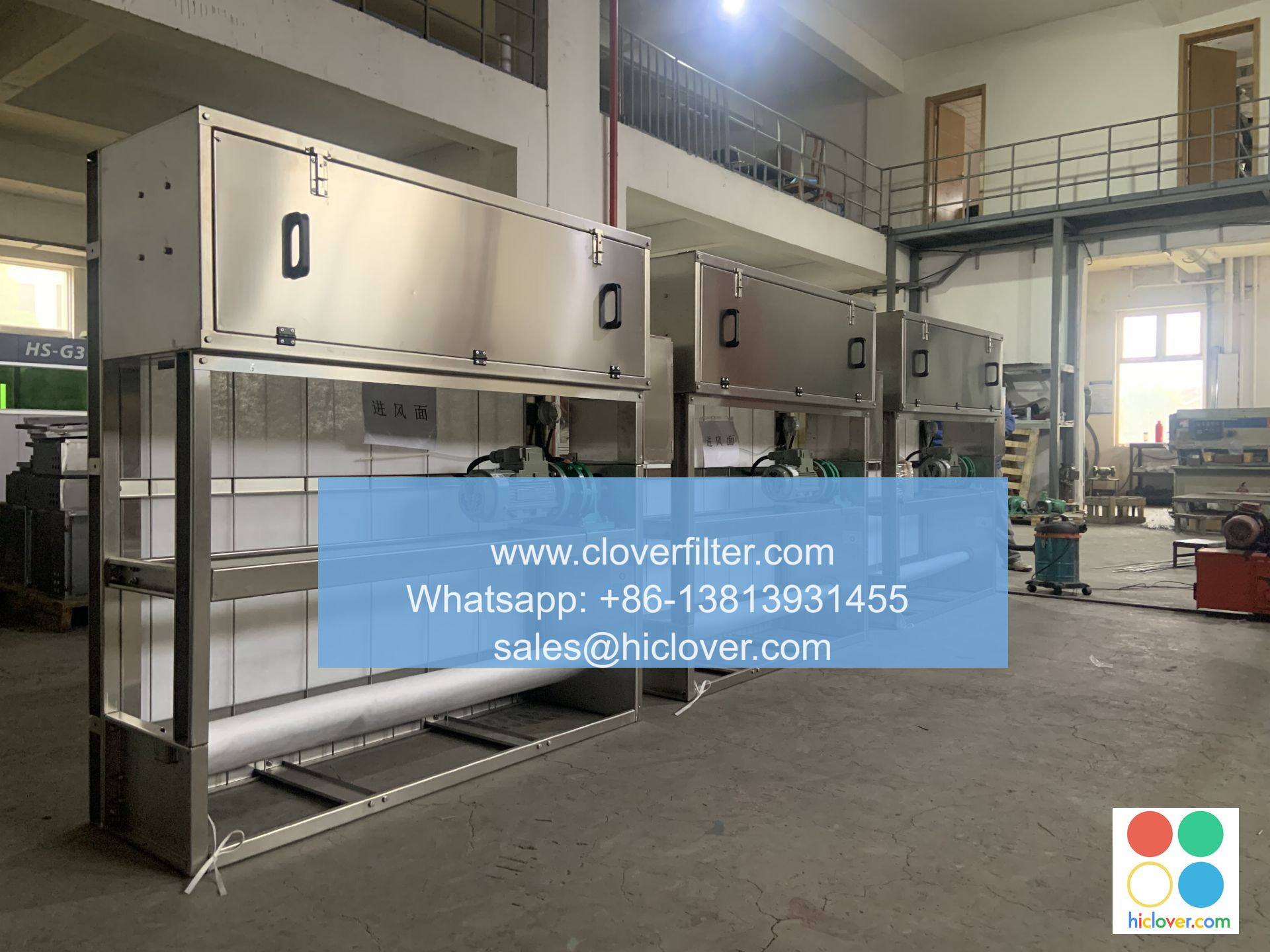
Air filters are a crucial component in various industries, including heating, ventilation, and air conditioning (HVAC), industrial manufacturing, and cleanroom technology. They play a vital role in maintaining indoor air quality (IAQ) and ensuring the efficiency of equipment. However, air filter issues can arise, leading to reduced performance, increased energy consumption, and compromised air quality. This article provides a comprehensive guide to troubleshooting air filter issues, highlighting industry standards and best practices for various application areas.
##
Understanding Air Filter Types and Classification
Before diving into troubleshooting, it’s essential to understand the different types of air filters and their classification. Air filters are categorized based on their filter efficiency, filter media, and operating conditions. The most common types of air filters include:
* Particulate air filters (e.g., HEPA filters, ULPA filters)
* Gaseous air filters (e.g., activated carbon filters, chemisorption filters)
* Hybrid air filters (e.g., combined HEPA and activated carbon filters)
The American Society of Heating, Refrigerating and Air-Conditioning Engineers (ASHRAE) and the International Organization for Standardization (ISO) have established industry standards for air filter testing and classification, including ASHRAE Standard 52.2 and ISO 16890.
##
Common Air Filter Issues and Troubleshooting Steps
Air filter issues can be attributed to various factors, including poor maintenance, incorrect filter selection, and operational errors. Some common air filter issues and troubleshooting steps include:
* Reduced airflow: Check for filter clogging, incorrect filter installation, or insufficient filter maintenance.
* Increased pressure drop: Inspect for filter damage, incorrect filter sizing, or high velocities.
* Contamination: Investigate for filter bypass, inadequate filter sealing, or inadequate air handling unit (AHU) maintenance.
##
Industry-Specific Troubleshooting Considerations
Different industries have unique requirements and challenges when it comes to air filtration. Some industry-specific troubleshooting considerations include:
* HVAC systems: Consider coil cleanliness, drainage issues, and fan performance when troubleshooting air filter issues.
* Industrial manufacturing: Take into account process-specific contaminants, equipment layout, and operator training when addressing air filter problems.
* Cleanroom technology: Focus on filter integrity, airflow patterns, and personnel training to maintain optimal air quality and minimize contamination risks.
##

Best Practices for Air Filter Maintenance and Replacement
Regular maintenance and replacement of air filters are crucial to prevent issues and ensure optimal performance. Some best practices include:
* Filter inspection and cleaning: Regularly inspect and clean air filters to prevent clogging and damage.
* Filter replacement schedules: Establish a routine replacement schedule based on filter manufacturer recommendations and operational conditions.
* Filter testing and validation: Conduct regular testing and validation to ensure air filter performance meets industry standards and regulatory requirements.
By following industry standards, understanding air filter types and classification, and implementing best practices for maintenance and replacement, facilities can troubleshoot air filter issues effectively and maintain optimal indoor air quality and equipment performance. Whether in HVAC, industrial manufacturing, or cleanroom technology, a well-designed and properly maintained air filtration system is essential for ensuring a healthy, productive, and efficient environment. It seems like you forgot to include the prompt. Please go ahead and provide one, and I’ll be happy to help!
