Types of Air Filters: Selecting the Best for Your needs
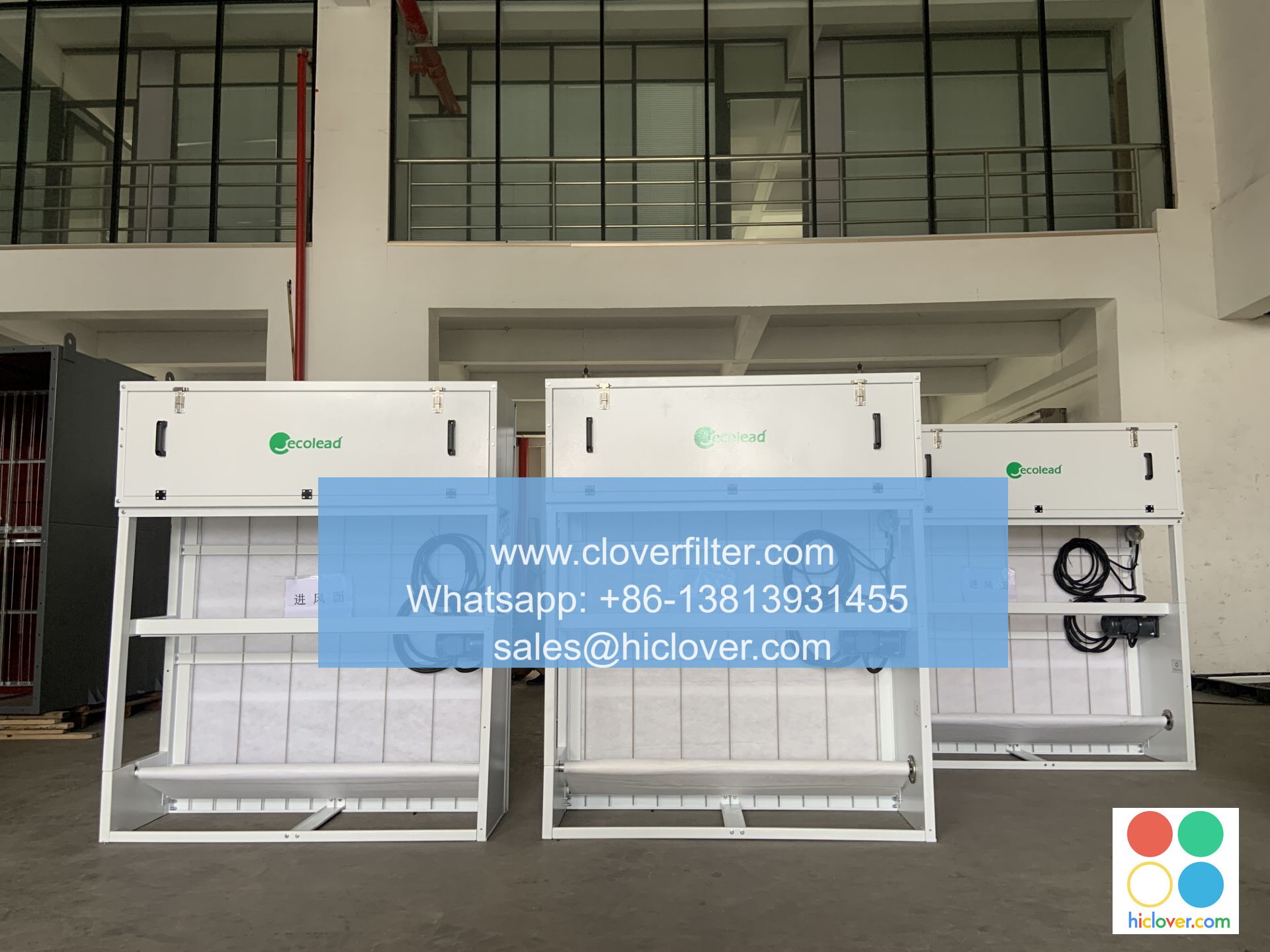
When it comes to maintaining a healthy indoor environment, air filters play a crucial role. They help improve air quality by trapping dust, pollen, pet dander, and other airborne contaminants. However, with numerous types of air filters available on the market, selecting the best one for your needs can be a daunting task. This article explores various types of air filters, highlighting their benefits, applications, and how to choose the right one for your needs.
Understanding Air Filters

Air filters vary in design, material, and functionality. They can be utilized in residential, commercial, and industrial settings to ensure clean air. Here, we break down the primary types of air filters available today.
1. HEPA Filters (High-Efficiency Particulate Air Filters)
Application Areas: Residential, commercial, healthcare
HEPA filters are designed to capture at least 99.97% of particles that are 0.3 microns in size, making them one of the most efficient air filtration technologies available. They are particularly beneficial for people with allergies, asthma, or other respiratory issues. These filters are commonly used in:
- Homes: To improve indoor air quality.
- Hospitals: To prevent the spread of airborne diseases.
- Industrial settings: To capture hazardous materials.
- Kitchen exhaust systems: To eliminate cooking smells.
- Air purifiers: To combat household odors.
- Industrial processes: To filter harmful gases.
- Home HVAC systems: To reduce airborne particles.
- Offices: To maintain a clean working environment.
- Healthcare facilities: To ensure sterile environments.
- Homes: To reduce airborne pathogens.
- Residential HVAC systems: For improved air quality.
- Commercial settings: Where air purity is paramount.

2. Activated Carbon Filters
Application Areas: Residential, commercial, industrial
Activated carbon filters work by adsorbing odors, volatile organic compounds (VOCs), and chemical fumes. The porous carbon material provides a large surface area for trapping harmful substances, making it ideal for environments where odor control is essential. They are commonly used in:
3. Electrostatic Filters
Application Areas: Residential, commercial
Electrostatic filters use static electricity to attract and capture particulate matter. They are washable and reusable, making them a cost-effective option in the long run. These filters are suitable for:
4. UV Light Filters
Application Areas: Residential, commercial, healthcare
UV light filters utilize ultraviolet light to kill bacteria, mold, and viruses in the air. They are often used in combination with other filters for optimal air purification. These filters are particularly effective in:
5. MERV Filters (Minimum Efficiency Reporting Value)
Application Areas: Residential, commercial, industrial
MERV filters are rated based on their ability to capture particles of varying sizes. The higher the MERV rating, the more effective the filter is. For example, a MERV rating of 13-16 captures allergens and even some bacteria. These filters are typically used in:
Factors to Consider When Selecting an Air Filter
1. Size and Compatibility
Ensure the air filter fits your HVAC system or air purifier. Check the dimensions and airflow specifications to avoid any issues.
2. Filter Efficiency
Select filters based on the substances you want to eliminate. For instance, if allergens are a concern, HEPA or MERV filters are ideal. If odors are more pressing, consider activated carbon filters.
3. Maintenance
Consider how often the filter needs to be replaced or cleaned. Some filters are reusable, while others require regular replacements, which can affect overall costs.
4. Application Area
Think about where the filter will be used—different environments will require different filter types for optimal effectiveness.
Conclusion
Choosing the right air filter is vital for maintaining a healthy indoor environment. HEPA filters, activated carbon filters, electrostatic filters, UV light filters, and MERV filters each serve unique purposes and excel in different settings. By understanding the characteristics of each filter type and considering factors such as size, efficiency, maintenance, and application area, you can select the best air filter for your specific needs. Investing in the right air filter not only improves your air quality but also contributes to a healthier lifestyle for you and your family.
For more information on air filters, consult an indoor air quality professional or explore reputable online resources to tailor your choice effectively.
It seems like you might be looking to generate a prompt for a specific purpose or topic. Could you please provide more details or specify what kind of prompt you need? For example, are you looking for a writing prompt, a discussion topic, or something else? Let me know how I can assist you!
