Types of Air Filters: Which One is Right for Your System?
Key Takeaways
- Understanding different air filter types is crucial for optimum air quality.
- Automatic Roll Air Filters offer innovative solutions for various HVAC applications.
- Regular maintenance and monitoring can reduce operational costs significantly.
- Selection criteria include airflow range, maintenance needs, and specific application requirements.
- Compliance with industry standards should always be considered for quality assurance.
- Roll Media Advance Logic: As air flows through the filter, contaminants are trapped, and the roll media gradually advances to present fresh filter surfaces.
- Differential Pressure Trigger: The system monitors airflow resistance, and as it increases, the filter automatically shifts to a clean section, maintaining air quality while optimizing energy consumption.
- Timer Mode: This feature allows for scheduled maintenance notifications, streamlining the maintenance process and minimizing operational downtime.
- Airflow Range: Determine the required cubic feet per minute (CFM) for your specific application.
- Face Velocity: Ensure the filter can handle the required velocity without exceeding pressure drop limits.
- Media Width/Length: Select dimensions that fit your existing ductwork and design.
- Frame Size: The filter’s frame should be compatible with current installation design to avoid bypass and maintain efficiency.
- Control Options: Evaluate if manual or automated controls suit your operational needs.
- Power Supply: Check if the filter system aligns with available power sources in your facility.
- Installation Location: Identify whether the filter will be installed at fresh air intake, return, or process areas.
- Neglecting to assess CFM requirements.
- Using filters with inadequate MERV ratings.
- Choosing the wrong size filters leading to bypass.
- Skipping routine maintenance checks.
- Underestimating the operational costs associated with high-pressure drop filters.
- Failing to account for environmental conditions affecting performance.
- Ignoring the importance of proper sealing in installation.
- Not considering compatibility with existing HVAC systems.
- Overlooking energy efficiency implications.
- Choosing filters based on price alone without evaluating performance.

Introduction to Air Filter Services
When it comes to ensuring the quality of air in industrial and commercial settings, selecting the right air filter is critical. Air filter services play a vital role in maintaining efficiency and compliance in environments such as data centers, hospitals, and manufacturing facilities. Among the various options available, the Automatic Roll Air Filter stands out for its advanced mechanism and adaptability.
Understanding Automatic Roll Air Filters
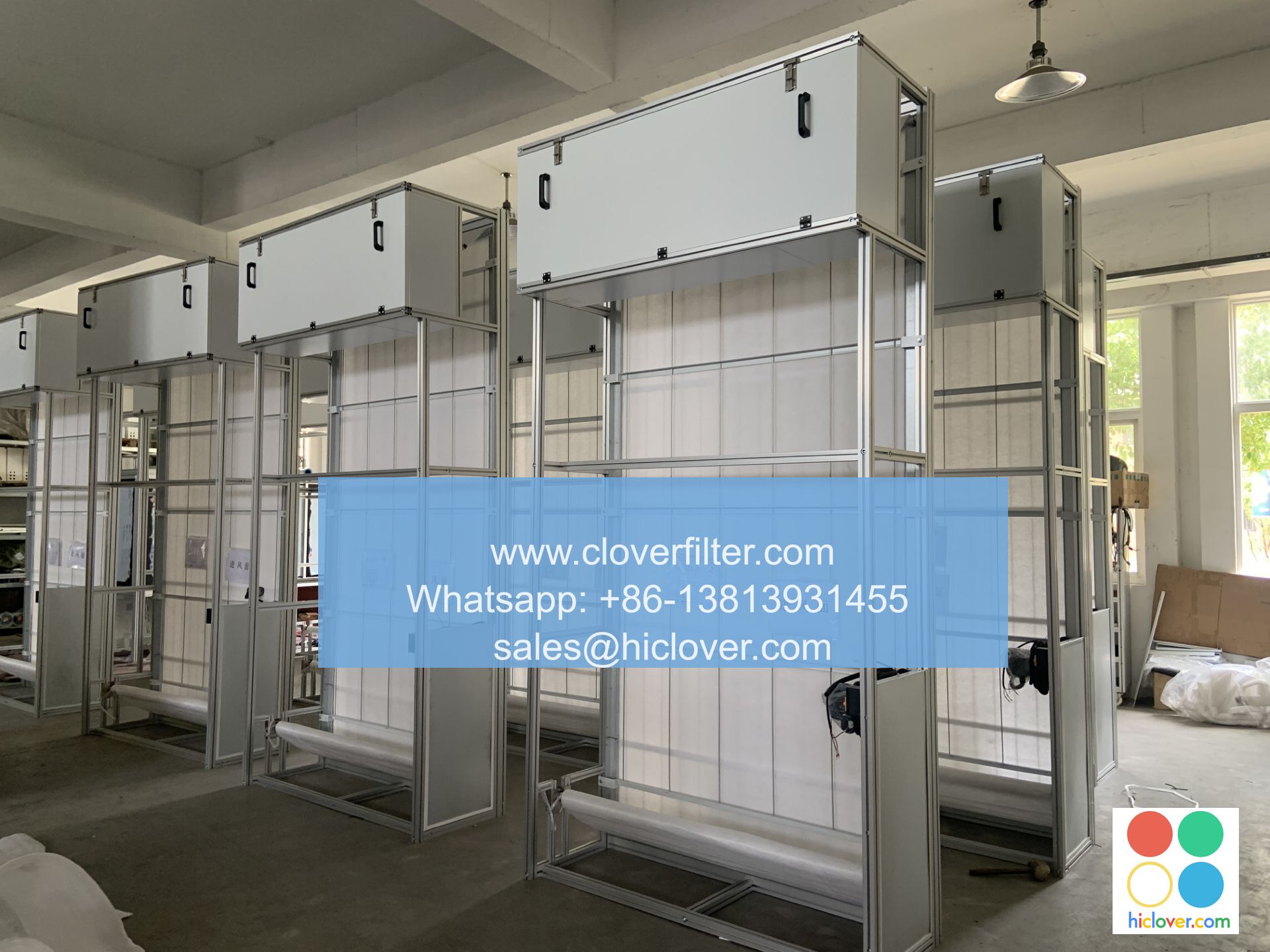
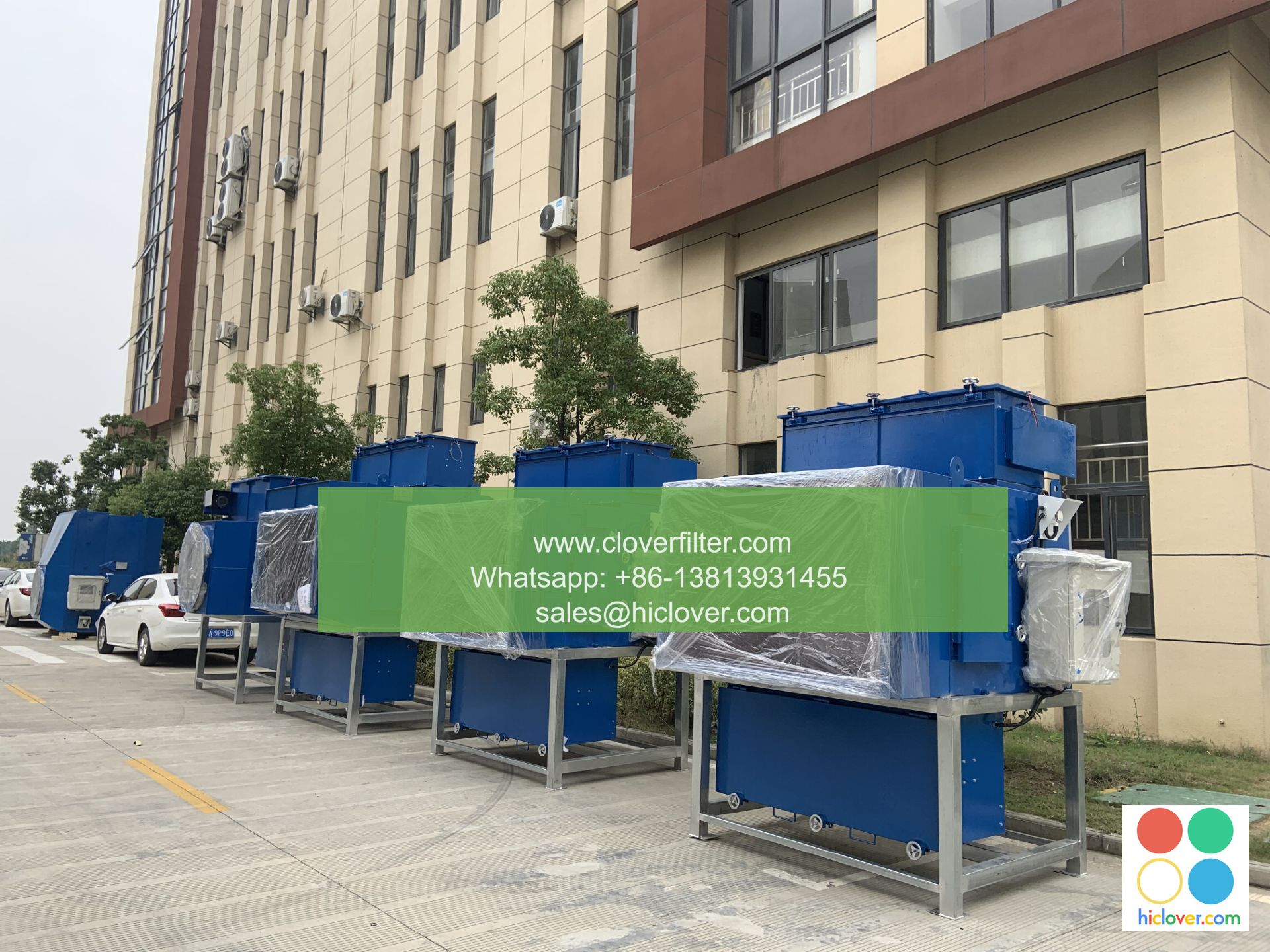
The Automatic Roll Air Filter utilizes a continuous roll media that advances as it collects particulates, ensuring that the filtration system remains effective throughout its life cycle. This innovative design features a differential pressure trigger that indicates when it’s time for a media change, utilizing an integrated timer mode for optimal performance assessment.
How It Works
Applications in HVAC/AHU Systems
The Automatic Roll Air Filter fits seamlessly into various HVAC systems, particularly in Air Handling Units (AHUs) for fresh air intake, make-up air, and exhaust applications. This adaptability makes it an excellent choice for environments requiring stringent particulate control, such as cleanrooms and data centers.
Practical Selection Guide
When considering an air filter for your system, the following criteria should be evaluated:
Comparison Table: Air Filter Types
| Filter Type | Best Use Case | Maintenance | Pressure Drop Behavior | Operating Cost | Typical Risk/Downside |
|---|---|---|---|---|---|
| Automatic Roll Air Filter | High particulate environments | Low | Low | Moderate | Initial costs can be high |
| Bag Filter | General-purpose filtration | Moderate | Moderate to high | Low | Larger physical footprint |
| Panel Filter | Standard applications | High | Moderate | Low | Sizes may not fit all installs |
| V-bank | High air flows | Moderate | Low to moderate | Moderate | Complicated installation |
Common Mistakes & How to Avoid Them
Real-World Scenarios
Data Center
In a data center, maintaining optimal air quality is crucial to prevent overheating. An Automatic Roll Air Filter system was implemented to manage particulate matter while ensuring minimal pressure drop, resulting in improved cooling efficiency.
Battery Factory
At a lithium battery plant, dust and vapor emissions are significant hazards. The Automatic Roll Air Filter provided a method for maintaining clean air within the workspace by integrating with the facility’s existing AHUs, significantly reducing maintenance frequency.
Paint Shop
In a high-chemical environment like a paint booth, the filtration system must perform under specific conditions. The roll filter was chosen to capture fine overspray particles efficiently while maintaining consistent airflow, improving overall air quality and compliance with safety standards.
Textile/Steel/Cement Plant
In a textile mill, dust is a major concern. Implementing the Automatic Roll Air Filter allowed the mill to maintain compliance with particulate control regulations, while its low maintenance needs helped reduce operational costs.
FAQ Section
1. What is the importance of air filter maintenance?
Maintenance is essential for ensuring effective air quality, reducing energy costs, and prolonging the lifespan of HVAC equipment.
2. How do I determine the right air filter for my system?
Consider airflow requirements, environmental conditions, desired filtration efficiency, and maintenance commitments.
3. What is MERV, and why is it important?
MERV (Minimum Efficiency Reporting Value) rates how well filters trap particles; understanding MERV is crucial for selecting filters suitable for your application.
4. How often should I replace or maintain my air filters?
This depends on your specific application and air quality needs, but generally every 3-6 months is a good practice.
5. Can an Automatic Roll Air Filter reduce energy costs?
Yes, it can lead to lower energy costs due to its efficient design and low pressure drop, allowing systems to run more efficiently.
6. Are there any certifications I should look for in air filters?
Filters should meet industry standards like ISO 16890 and MERV, but specific certifications may vary; check with manufacturers for details.
Conclusion
Choosing the right air filter is a critical decision for facility managers and HVAC engineers aiming to maintain optimal air quality while controlling costs. The Automatic Roll Air Filter from CloverFilter provides a reliable, efficient solution tailored for diverse industrial applications, reducing maintenance and enhancing performance.
Explore more about how CloverFilter can meet your air filtration needs at CloverFilter, or contact us for tailored solutions and support at CloverFilter Contact.
Meta Description: Discover the various types of air filters, including Automatic Roll Air Filters, and learn which one best suits your HVAC system needs.
It looks like you may have accidentally submitted an incomplete message. Could you please provide more details or clarify what you would like assistance with?
