Types of Industrial Air Filters: A Comprehensive Guide
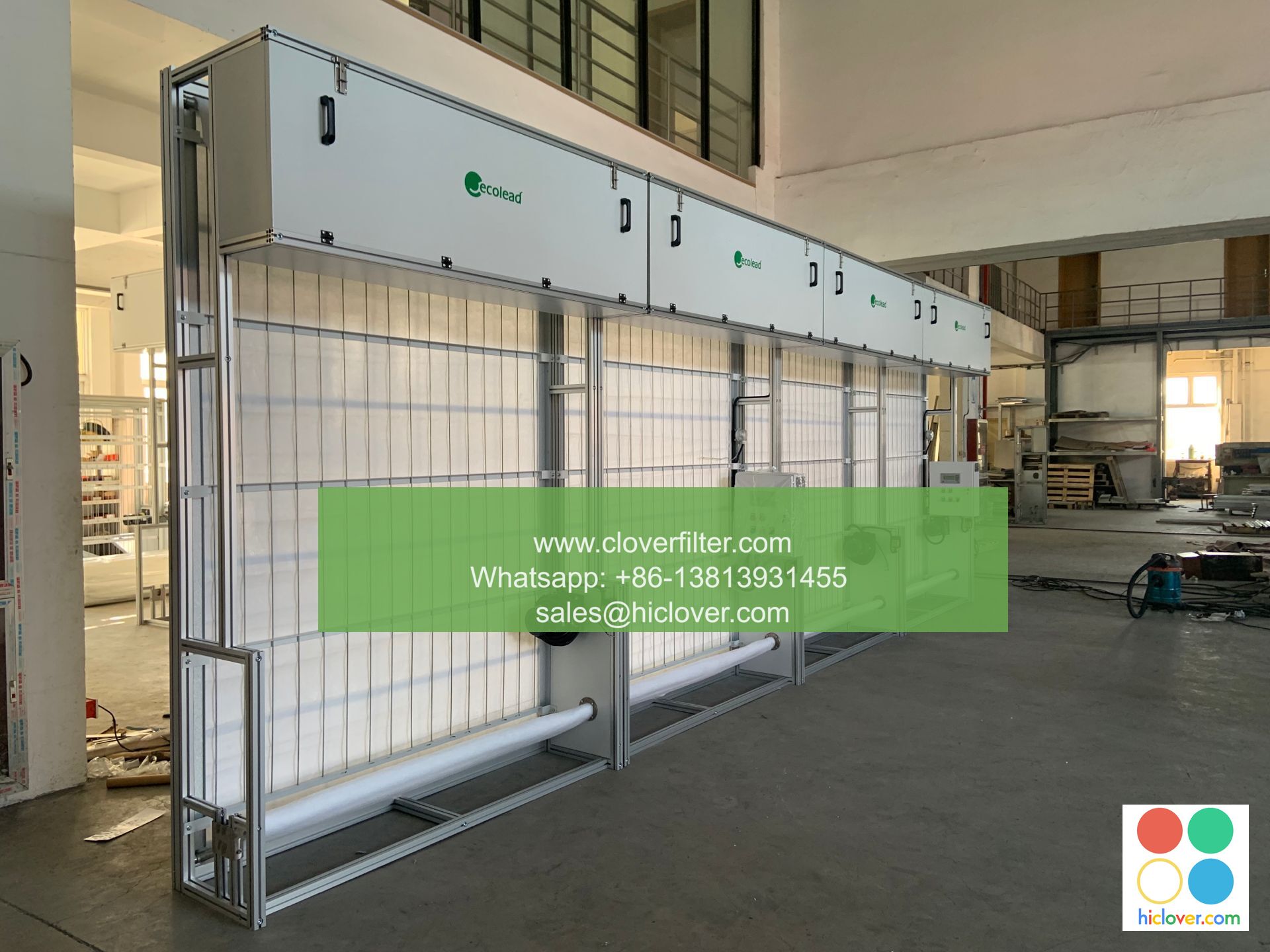
Introduction to Industrial Air Filters

Industrial air filters play a crucial role in maintaining a clean and safe working environment. They are essential in various applications, including manufacturing, pharmaceuticals, food processing, and more. In this comprehensive guide, we will explore the different types of industrial air filters, their benefits, specifications, and best applications.
1. Bag Filters
Bag filters utilize a fabric material to capture dust and airborne particles. They are popular for their high dirt-holding capacity and efficiency.
Applications:
- Manufacturing facilities
- Woodworking industries
- Textile mills
- High filtering efficiency
- Long service life
- Cost-effective for large volume air filtration
- Pharmaceutical manufacturing
- Clean rooms
- Hospitals and laboratories
- Excellent for fine particulate removal
- Reduces airborne allergies and pollution
- Ensures compliance with health regulations
- Commercial HVAC systems
- Manufacturing plants
- Airplane cabins
- Higher efficiency than standard mechanical filters
- Long-lasting and easy to clean
- Compact design suitable for limited spaces
- Water treatment facilities
- Food processing plants
- Paint and coating industries
- Highly effective at removing odors and harmful gases
- Improves air quality and safety
- Versatile and can be used in combination with other filter types
- Commercial HVAC systems
- Industrial air handling units
- Dust collection systems
- Cost-effective solution for extending the life of primary filters
- Easy to replace and maintain
- Improves overall filtration efficiency

Benefits:
2. HEPA Filters
High-Efficiency Particulate Air (HEPA) filters are designed to trap at least 99.97% of particles that are 0.3 microns or larger. They are crucial for environments requiring stringent air quality standards.
Applications:
Benefits:
3. Electrostatic Filters
Electrostatic filters utilize an electric charge to attract and capture particles as they pass through the filter media. They are effective at removing dust, pollen, smoke, and more.
Applications:
Benefits:
4. Activated Carbon Filters
Activated carbon filters are designed to remove volatile organic compounds (VOCs), odors, and gases from the air. The porous nature of activated carbon allows it to adsorb harmful substances effectively.
Applications:
Benefits:
5. Prefilter Filters
Prefilters are used as the first stage in air filtration systems. They capture larger particles before they reach the primary filter, prolonging its life and enhancing overall system efficiency.
Applications:
Benefits:
Conclusion
Choosing the right industrial air filter is crucial for maintaining air quality and adhering to regulatory standards. Understanding the different types of filters available, including bag filters, HEPA filters, electrostatic filters, activated carbon filters, and prefilters, can help you make an informed decision tailored to your specific application. Prioritizing proper filtration will not only enhance workplace safety but also improve overall operational efficiency.
It seems like your message got cut off. Could you please provide more context or details about the prompt you’re looking for? Whether it’s a writing prompt, a question, or something else, I’d be happy to help!
