UC Berkeley’s Cleanroom Air Quality Challenges: Overcoming Them with Innovative Automatic Roll Air Filter Technologies
Understanding Cleanroom Air Quality Challenges

Cleanrooms are critical environments in various sectors, including semiconductor manufacturing, pharmaceutical development, and biotechnology. At UC Berkeley, the need for high-performance cleanrooms is paramount, as they support groundbreaking research and innovation. However, maintaining optimal air quality presents significant challenges, particularly concerning particulate matter, volatile organic compounds (VOCs), and microbial contaminants.
The Importance of Air Quality in Cleanrooms
Air quality in cleanrooms directly impacts experimental outcomes, product quality, and overall safety. Any deviation in particulate levels can lead to compromised results or, worse, harmful cross-contamination, especially in sensitive areas like nanotechnology and life sciences. Therefore, UC Berkeley has prioritized implementing cutting-edge air filtration technologies to ensure cleanroom environments consistently meet stringent air quality standards.
Innovative Solutions: Automatic Roll Air Filter Technologies

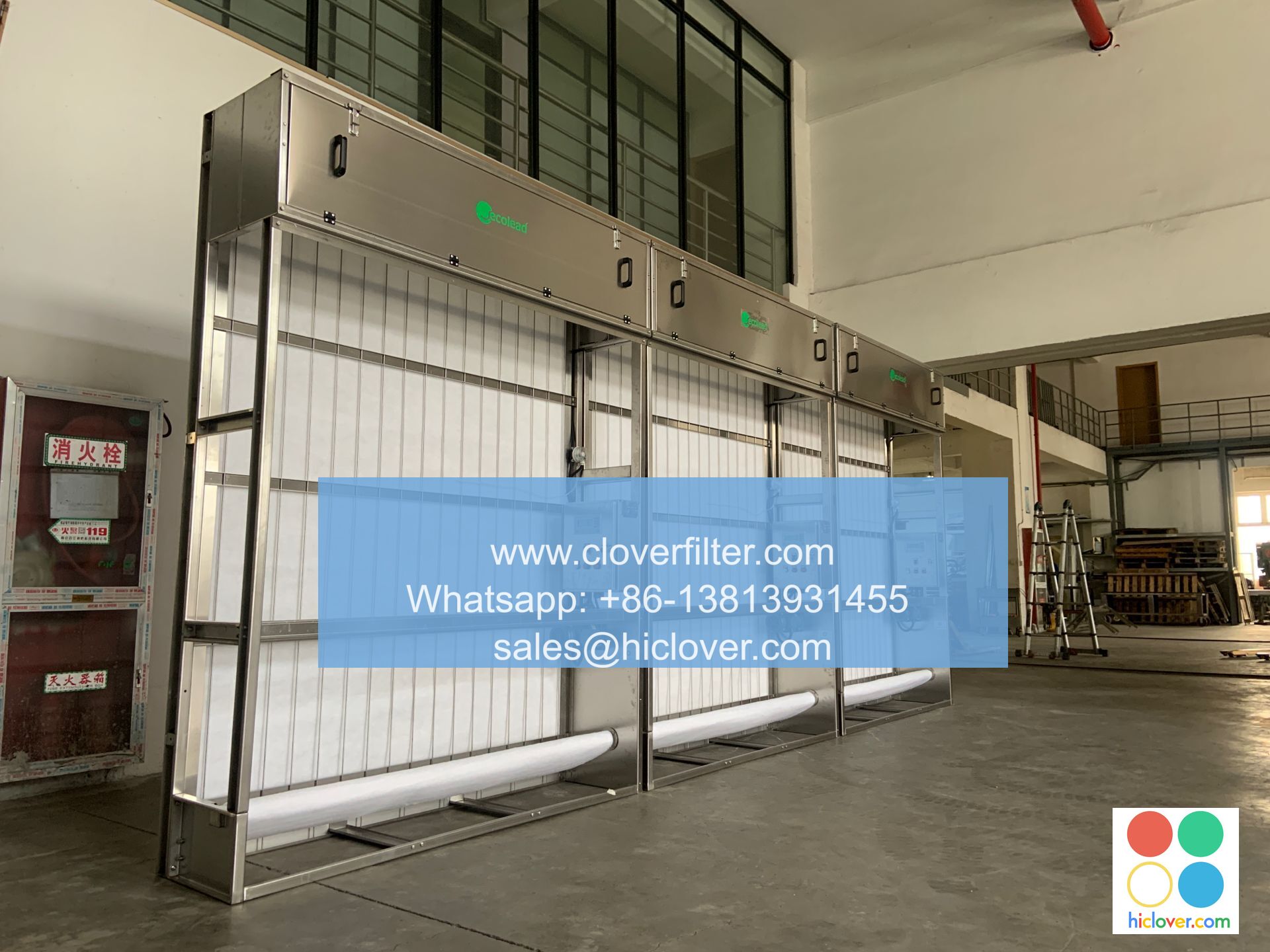
To address the challenges posed by air quality in cleanrooms, UC Berkeley has turned to innovative automatic roll air filter technologies. These systems offer several advantages:
- Continuous Monitoring: Automatic air filters are equipped with sensors that monitor particulate levels in real-time, enabling prompt responses to any fluctuations.
- Enhanced Filtration: The design of roll filters facilitates higher dirt-holding capacity, reducing the frequency of replacements while maintaining superior air quality.
- Energy Efficiency: These filters can be designed to operate at lower energy costs compared to traditional filtration systems, helping UC Berkeley meet sustainability goals.
Application Areas and Outcomes
The implementation of automatic roll air filter technologies at UC Berkeley is expected to yield significant benefits across various application areas:
1. Semiconductor Manufacturing
In semiconductor labs, cleanliness is non-negotiable. The adoption of advanced filtration technology ensures that processes remain uninterrupted and that product quality remains high, thus supporting innovations in chip technology.
2. Pharmaceutical Development
For pharmaceutical researchers, the integrity of compounds is vital. Cleanroom environments supported by effective air filtration minimize the risks of contamination during drug development.
3. Biotechnology and Life Sciences
In life sciences, reliable air quality is crucial for biological experiments, including cell cultures and genetic research. Innovative roll filter technologies help maintain sterile conditions, allowing researchers to focus on their work without external interference.
Conclusion
UC Berkeley’s commitment to overcoming cleanroom air quality challenges through innovative automatic roll air filter technologies exemplifies a proactive approach to modern research needs. Through continuous improvement in air filtration methods, the university is setting new standards for cleanroom environments, ensuring that they remain conducive to pioneering research across various fields. As they implement these advanced technologies, UC Berkeley is not only enhancing their cleanroom operations but also paving the way for future innovations in air quality management.
