UCLA’s Secret to Sterile Labs: Automatic Roll Air Filters
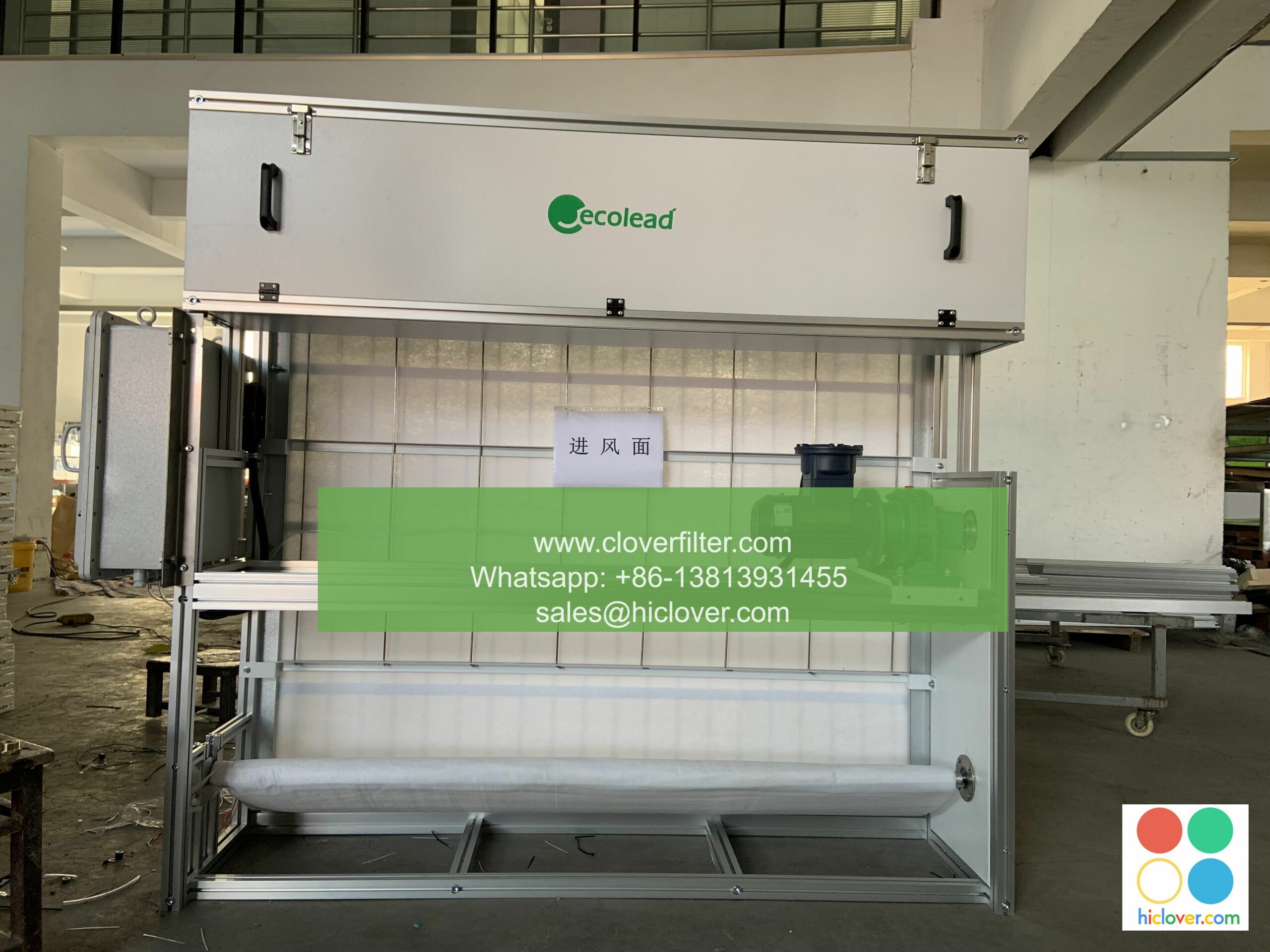
The University of California, Los Angeles (UCLA) is renowned for its cutting-edge research facilities, and a key factor contributing to its success is the maintenance of sterile labs. One of the secret ingredients behind UCLA’s ability to keep its labs contamination-free is the use of automatic roll air filters. In this article, we will delve into the world of air filtration systems and explore how UCLA’s implementation of these filters has become a game-changer in the realm of laboratory safety and indoor air quality.
The Importance of Air Filtration in Labs

Laboratory environments are inherently prone to contamination, with various biohazards and chemical pollutants posing significant risks to researchers and samples alike. Effective air purification is crucial to mitigate these risks and ensure the integrity of experiments. UCLA’s adoption of automatic roll air filters has enabled the university to maintain a sterile atmosphere, free from particulate matter, microorganisms, and other airborne contaminants.
How Automatic Roll Air Filters Work
These innovative filters utilize a rolling mechanism to provide a continuous supply of fresh filter media, eliminating the need for manual replacement. As the filter media becomes saturated with pollutants, it is automatically rewound and replaced with a new, pristine section. This process ensures that the air filtration system operates at optimal levels, capturing 99.97% of particles as small as 0.3 microns.
Application Areas: Beyond Laboratory Settings
While UCLA’s use of automatic roll air filters is primarily focused on lab safety, these filters have a wide range of applications across various industries, including:
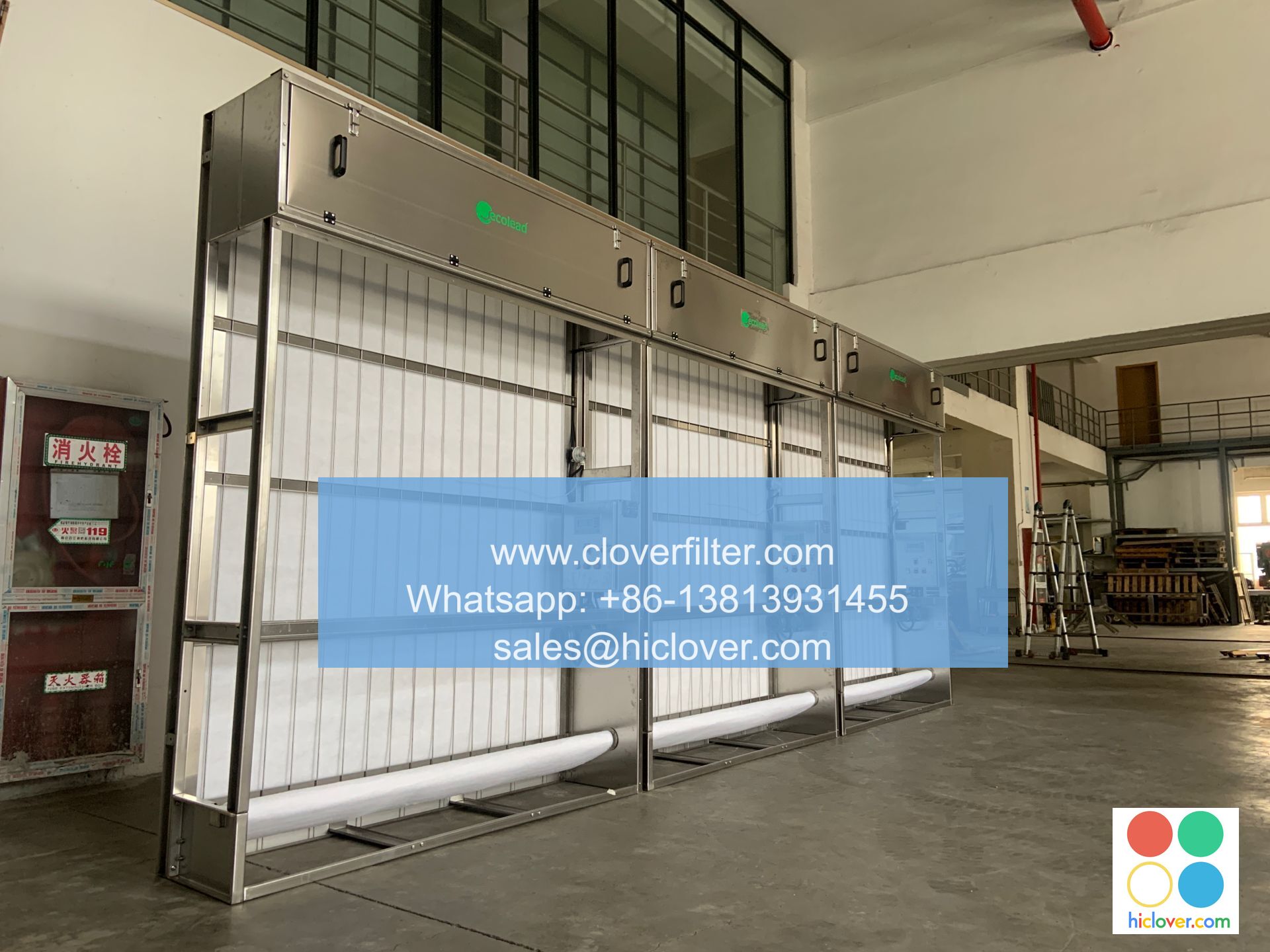
- Healthcare facilities: Hospitals, clinics, and surgical suites can benefit from the sterilizing effects of these filters, reducing the risk of hospital-acquired infections.
- Pharmaceutical manufacturing: Cleanroom environments require ultra-pure air to prevent contamination and ensure the quality of pharmaceutical products.
- Food processing: Food safety is paramount, and automatic roll air filters can help prevent cross-contamination and spoilage in food processing plants.
- Commercial buildings: Office buildings, shopping malls, and hotels can improve indoor air quality and reduce the spread of airborne illnesses.
Benefits of Automatic Roll Air Filters
The advantages of automatic roll air filters are numerous:
- Low maintenance: Automatic filter replacement reduces the need for manual intervention, minimizing downtime and labor costs.
- Energy efficiency: These filters are designed to minimize pressure drop, resulting in reduced energy consumption and lower operating costs.
- Improved indoor air quality: By capturing particulate matter and microorganisms, automatic roll air filters help maintain a healthy indoor environment.
Conclusion
UCLA’s reliance on automatic roll air filters has proven to be a key component in maintaining sterile labs and ensuring laboratory safety. As we’ve seen, the applications of these filters extend far beyond laboratory settings, offering a range of benefits for various industries. By incorporating automatic roll air filters into their air filtration systems, organizations can improve indoor air quality, reduce contamination risks, and create a healthier environment for occupants.
