Understanding Activated Carbon: A Key Component in Odor Control
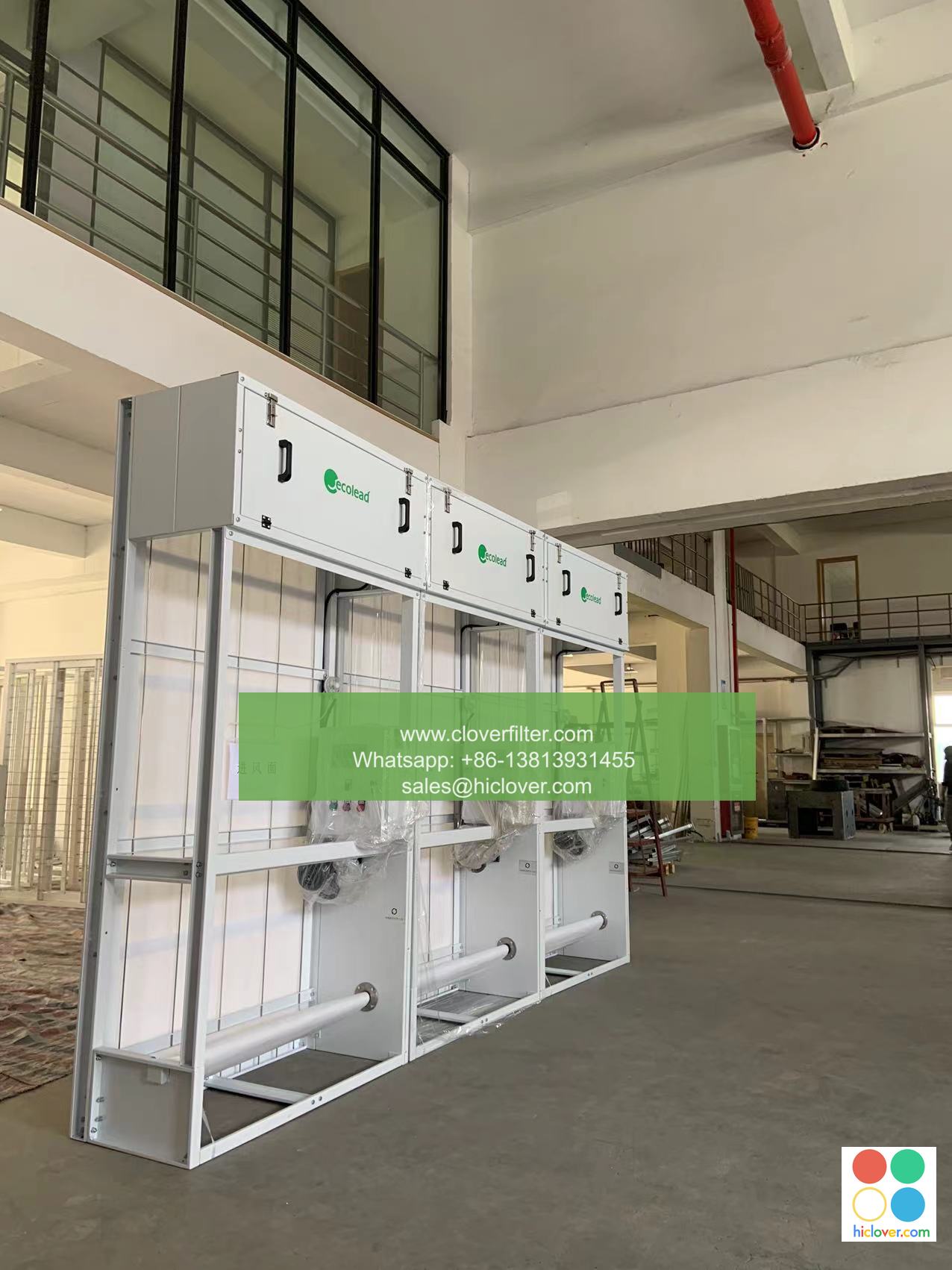
Activated carbon, a highly porous material, has garnered significant attention for its exceptional ability to adsorb a variety of volatile compounds. This remarkable property makes it a vital component in various odor control applications, ranging from industrial settings to household environments. In this article, we delve into the science behind activated carbon, its filtering capabilities, and its numerous applications in controlling odors effectively.
The Science Behind Activated Carbon

Activated carbon is produced from carbonaceous materials such as wood, coal, or coconut shells. Through a process called activation, these materials undergo physical or chemical treatment to create a network of microscopic pores, which significantly increases their surface area. This high porosity enables activated carbon to trap and hold gases, odors, and impurities, making it a powerful adsorbent.
The Role of Activated Carbon in Odor Control
The capacity of activated carbon to adsorb odors lies in its unique structure. When airborne molecules come into contact with the surface of activated carbon, they are attracted and adhere to it, effectively removing them from the surrounding air. This process is crucial in numerous industries where odors can become a significant concern.
Key Applications of Activated Carbon in Odor Control
1. Indoor Air Quality
Activated carbon is extensively used in air purifiers and filters to improve indoor air quality. By capturing unpleasant odors such as smoke, pet smells, and cooking fumes, activated carbon helps create a more pleasant living environment.

2. Wastewater Treatment
In wastewater treatment facilities, activated carbon is utilized to remove organic compounds and other contaminants that produce foul odors. Its application not only helps in odor control but also enhances the overall quality of the treated water.
3. Industrial Odor Management
Industries that produce strong odors, such as food processing and chemical manufacturing, employ activated carbon in their odor management systems. By integrating activated carbon filters, these facilities can minimize emissions and comply with environmental regulations.
4. Landfills and Composting Sites
Landfills often generate unpleasant odors due to decomposing organic waste. Activated carbon is used in landfill gas extraction systems to reduce odor emissions and improve the surrounding air quality. Similarly, composting sites utilize activated carbon to control smells, promoting better composting practices.
5. Personal Care Products
Beyond industrial applications, activated carbon has made its way into personal care items such as deodorants, facial masks, and cleansers. Its detoxifying properties help absorb excess oil and impurities, making it an attractive ingredient for consumers looking for effective skincare solutions.
Conclusion
Activated carbon is undoubtedly a key player in the realm of odor control. Its ability to adsorb a wide range of odorous compounds makes it applicable in diverse fields, from enhancing indoor air quality to managing industrial emissions. As awareness of air quality issues grows, the demand for effective odor control solutions like activated carbon will likely continue to rise, highlighting the importance of this versatile material.
It looks like you might be looking for a prompt to inspire creative writing or some other activity. Could you provide more details about what you’re interested in? For example, do you want a writing prompt, a question for discussion, or something else?
