Understanding Air Filter Certifications: What They Mean
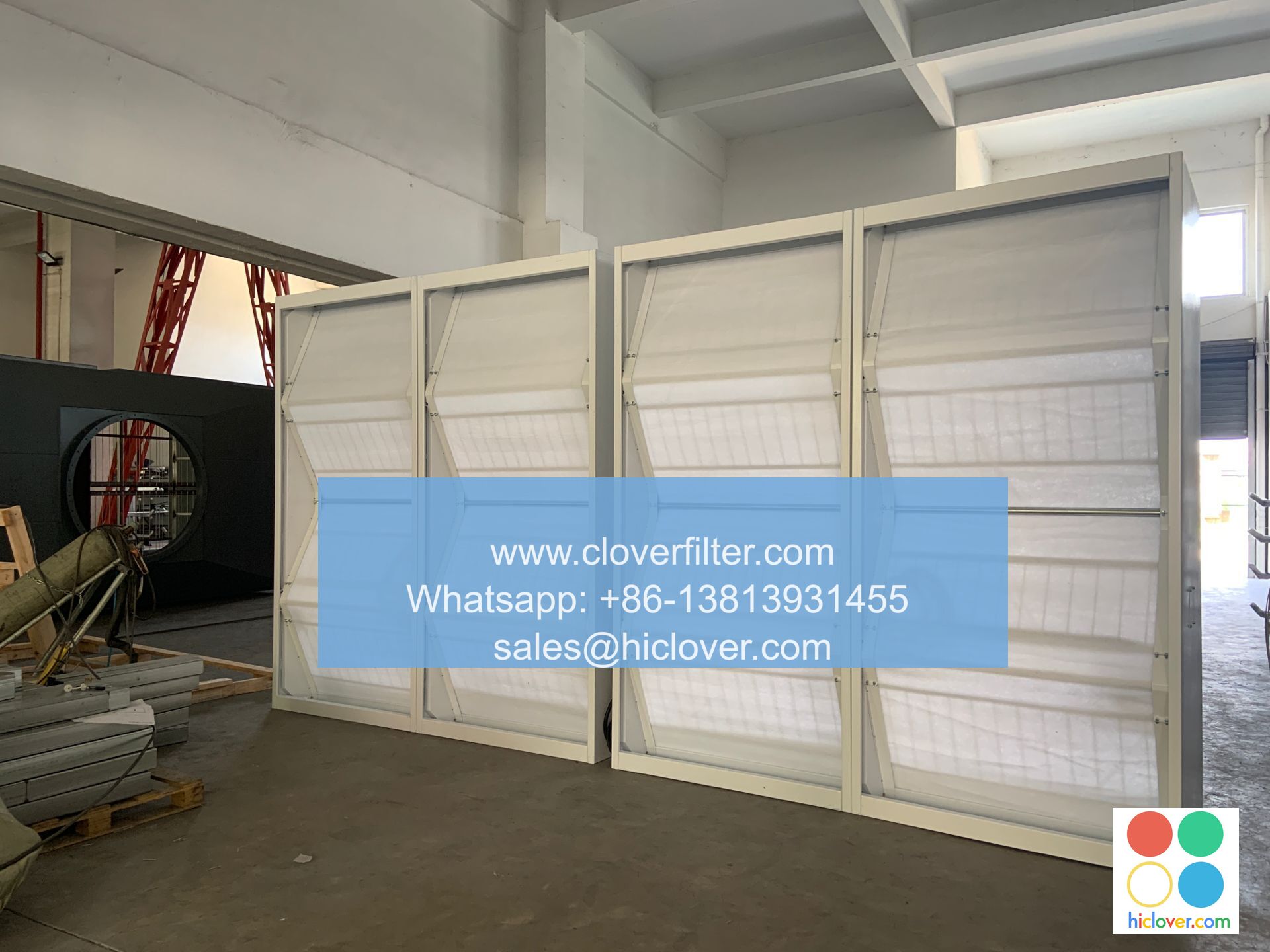
The air filter industry has numerous certifications that can be confusing for consumers and professionals alike. In this article, we will break down the most common air filter certifications, exploring their meanings and highlighting various application areas. From residential to commercial and industrial settings, understanding air filter certifications is crucial for improving indoor air quality and reducing health risks.
Introduction to Air Filter Certifications
Air filter certifications are voluntary standards that ensure filters meet specific performance requirements. These certifications are usually awarded by third-party organizations, such as the American Society of Heating, Refrigerating, and Air-Conditioning Engineers (ASHRAE) or the International Association of Air and Water (IAAW). Key certifications include MERV (Minimum Efficiency Reporting Value), HEPA (High Efficiency Particulate Air), and UL (Underwriters Laboratories) classifications.
Residential Air Filter Certifications
In residential settings, air filter certifications are essential for maintaining good indoor air quality. The most common certifications for residential air filters include:
* MERV 1-16: Measures filter efficiency, with higher ratings indicating better particulate removal.
* HEPA: Captures 99.97% of particles as small as 0.3 microns, ideal for allergy sufferers and asthma patients.
* UL Class 2: Ensures filters meet safety standards for electrical and fire hazards.
Commercial Air Filter Certifications
Commercial air filter certifications are more stringent than residential ones, as they need to handle higher air volumes and more challenging environments. Key certifications for commercial air filters include:
* ASHRAE 52.2: Evaluates filter performance in commercial HVAC systems.
* ISO 16890: A global standard for air filter testing and classification.
* UL 900: Verifies filter safety and electrical compliance in commercial settings.

Industrial Air Filter Certifications
Industrial air filter certifications are designed for highly demanding environments, where air quality and process control are critical. Important certifications for industrial air filters include:
* HEPA H14: Offers high-efficiency filtration for pharmaceutical, biotechnology, and cleanroom applications.
* ULPA (Ultra Low Penetration Air): Ensures ultra-high efficiency for semiconductor manufacturing and other high-tech industries.
* NFPA 90A: Complies with fire safety standards for industrial ventilation systems.
Conclusion
Understanding air filter certifications is essential for selecting the right filter for your specific application. By recognizing the meaning and importance of these certifications, you can improve indoor air quality, reduce health risks, and optimize HVAC system performance. Remember to consider the unique requirements of your residential, commercial, or industrial setting when choosing an air filter, and always look for reputable certifications from third-party organizations. Prompt
