Understanding Air Filter Contact: A Comprehensive Guide
Key Takeaways
- Air filter contact refers to the interface where filters engage with airflows for effective filtration.
- Automatic Roll Air Filters provide dynamic filtration, optimizing airflow management.
- Proper selection of air filters is essential for improving system efficiency and longevity.
- Common mistakes in filter selection can lead to increased costs and system failures.
- Compliance with industry standards can ensure reliability and performance expectations are met.
- Airflow Range: Identify the required airflow specific to the system, ideally using both maximum and minimum values.
- Face Velocity: Ideally between 1.0 to 2.5 m/s to ensure efficient operation.
- Media Width/Length: Ensure that the media dimensions fit the available installation space while providing adequate coverage.
- Frame Size: Must match the housing dimensions of your HVAC system.
- Control Options: Choose between manual and automated filters for optimal performance based on your application.
- Power Supply: Confirm that the installation site has available power for automatic models.
- Installation Location: Decide whether the filter will be placed at fresh air intake, return, or processing locations.
- Choosing the Wrong Media: Always match media type to environment requirements.
- Incorrect Sizing: Use precise measurements to avoid airflow issues.
- Neglecting System Specifications: Factors like face velocity and pressure drop must be adhered to.
- Ignoring Maintenance Needs: Regular checks are essential for any filter type.
- Overlooking Regulatory Standards: Ensure compliance with guidelines like ISO 16890 as general references.
- Choosing Cost Over Quality: Quality filters reduce long-term expenses.
- Not Considering Operational Costs: Understand total ownership cost, including energy consumption.
- Insufficient Training for Staff: Ensure that maintenance staff are well-informed about changes and replacements.
-
Data Center: A local data center integrated CloverFilter’s Automatic Roll Air Filter, reducing airborne particulate accumulation and enhancing cooling efficiency while cutting maintenance time by 50%.
-
Lithium Battery Factory: Implementing this filter improved air quality metrics significantly, meeting rigorous industry standards while decreasing operational downtime.
-
Paint Shop: In a large paint facility, the Automatic Roll Air Filters helped manage volatile organic compound emissions effectively, maintaining compliance with local regulations.
-
Textile/Cement Plant: A cement plant using CloverFilter’s solution saw a marked reduction in airborne particulate matter, resulting in increased worker safety and reduced health-related costs.

What is an Automatic Roll Air Filter?
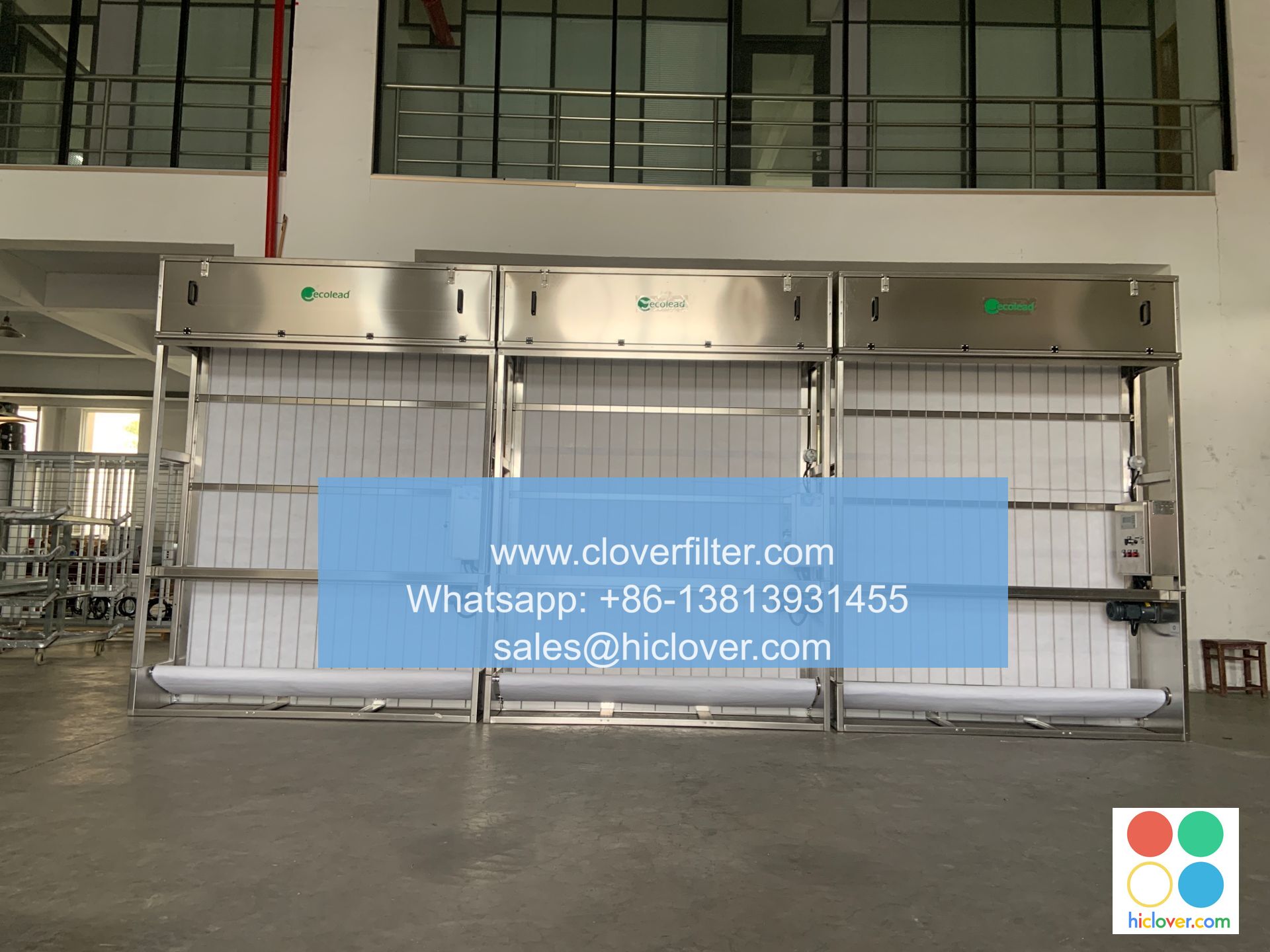
An Automatic Roll Air Filter is a revolutionary solution designed to enhance indoor air quality by employing a continuous roll media that advances as the filter becomes saturated with particulates. Unlike static filters, this system automatically adjusts using roll media advance logic to maintain optimal performance. The differential pressure trigger senses when the filter needs to be changed, ensuring an uninterrupted airflow while minimizing maintenance efforts. Typically integrated with HVAC/AHU systems, the Automatic Roll Filter is essential for environments requiring stringent air quality, such as cleanrooms, data centers, and hospitals.
How Does Air Filter Contact Work?

Air filter contact is a crucial aspect of filtration efficiency, directly affecting how well particulates are removed from the air. With the Automatic Roll Air Filter, air contact occurs across the entire media surface as it rolls. The integration of differential pressure technology ensures that airflow is maximized while the particulate load is minimized. This dynamic operation contributes to lower maintenance costs and improved energy efficiency, as the filter is optimized to handle varying loads without constant replacements.
Selection Guide for Automatic Roll Air Filters
Selecting the right air filter involves consideration of several critical factors to ensure compatibility with specific applications. Here’s a brief selection guide:
Comparing Air Filter Types
| Filter Type | Best Use Case | Maintenance | Pressure Drop Behavior | Operating Cost | Typical Risk/Downside |
|---|---|---|---|---|---|
| Automatic Roll Air Filter | Data Centers, Cleanrooms | Low – Automated replacement | Fairly Stable | Moderate | Initial cost of automation |
| Bag Filter | Industrial Plants | Moderate | High initially, may stabilize | Moderate | Limited flexibility |
| Panel Filter | General Purpose | High | Increasing over time | Low | Frequent changes needed |
| V-bank | High Filtration Needs | Low | Low | Moderate | Bulkier design |
Common Mistakes & How to Avoid Them
Real-World Scenarios
FAQ
Q1: What is air filter contact?
A1: Air filter contact refers to the interaction between the air being filtered and the filter media, crucial for effective filtration.
Q2: How does the Automatic Roll Air Filter function?
A2: It utilizes a dynamic roll media that advances automatically based on pressure differentials to maintain optimal airflow and filtration efficiency.
Q3: What performance standards should I consider?
A3: While performance may vary, general industry benchmarks include ISO 16890 and MERV ratings, for effective particulate control.
Q4: How often should filters be replaced?
A4: It depends on usage and environmental factors, but the Automatic Roll Air Filter minimizes the frequency compared to static options.
Q5: Can I customize the Automatic Roll Filter settings?
A5: Yes, various control options allow customization based on specific operational requirements.
Q6: Where can I find more information about CloverFilter products?
A6: Visit CloverFilter for detailed product information and specifications.
Conclusion
Selecting the right air filtration system is essential for maintaining air quality in industrial settings. Automatic Roll Air Filters from CloverFilter stand out due to their efficient mechanism and ease of maintenance. Understanding air filter contact not only enhances filtration efficiency but also contributes to operational savings. For procurement managers, HVAC engineers, and facility managers, this comprehensive guide serves as an essential resource for making informed decisions.
For more information about installing and optimizing air filtration systems, reach out to CloverFilter today at https://www.cloverfilter.com/contact/.
Meta Description: Explore the in-depth guide on air filter contact and discover the advantages of Automatic Roll Air Filters for your HVAC needs.
It seems you might be looking for some specific information or a piece of writing. Can you please provide more details or clarify what you’re looking for? Whether it’s a story prompt, a topic to discuss, or something else, I’d be happy to help!
