Understanding Air Filter Dimensions: A Comprehensive Guide
Key Takeaways:
- Understanding Air Filter Dimensions: Crucial for ensuring optimal performance in HVAC systems.
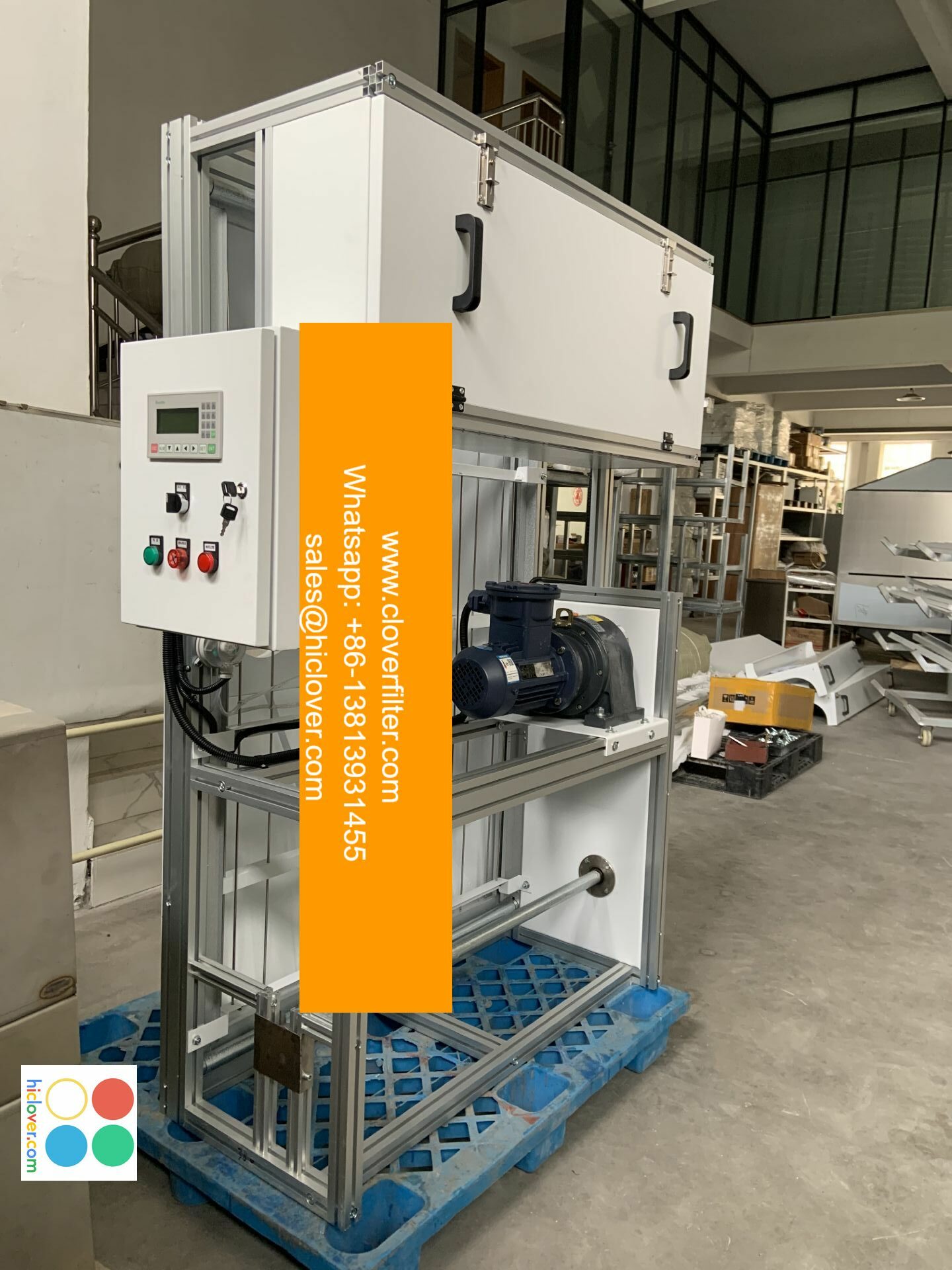
- Air Filter Options: Different filters are suited for specific applications, including the Automatic Roll Air Filter from CloverFilter.
- Maintenance Needs: Choosing the right air filter can reduce maintenance costs and extend equipment lifespan.
- Operational Efficiency: Proper air filter dimensions can enhance energy savings and improve air quality.
- Compliance Standards: Awareness of industry standards like ISO 16890 and MERV can guide your purchasing decisions.
- Media Width: Typically ranges from 24 inches (610 mm) to 48 inches (1219 mm).
- Media Length: Can vary based on custom specifications and system requirements.
- Frame Size: Ensures a precise fit in the filtration slots of HVAC systems.
- Airflow Range: Filters must match the cubic feet per minute (CFM) required for optimal performance.
- Airflow Range: Understand the specific needs of your facility to ensure effective particulate control.
- Face Velocity: Typically fall between 300 to 500 feet per minute (FPM) for most applications.
- Media Width/Length: Choose dimensions that fit your HVAC system’s requirements.
- Frame Size: Ensure compatibility with existing slots or frames.
- Control Options: Evaluate whether you need manual or automatic controls.
- Power Supply: Consider access to electrical outlets for automatic features.
- Installation Location: Determine suitability for fresh air intake, return air, or process filtration.
- Ignoring Air Filter Dimensions: Always measure the installation space before selecting any filter.
- Overlooking Airflow Requirements: Choose filters based on precise airflow needs, avoiding excessive velocity.
- Neglecting Maintenance Features: Select filters designed for easy handling and maintenance.
- Incompatible Sizes: Confirm that chosen filters fit existing HVAC equipment correctly.
- Forgetting Specifications: Ensure filters meet any relevant compliance standards, but verify certifications.
- Underestimating Energy Costs: Consider how filter efficiency impacts operational energy expenses.
- Not Utilizing Advanced Features: Take advantage of automation in systems like CloverFilter for efficiency.
- Choosing by Price Alone: Evaluate performance characteristics in addition to initial costs.
- Failing to Consult Experts: Engage with HVAC specialists or suppliers, like CloverFilter, for best results.
- Disregarding the Impact of Environment: Select filters that suit the specific particulate challenges in your facility.
-
Data Center:
A large data center implemented an Automatic Roll Air Filter system, achieving significant airflow efficiency. The automation minimized maintenance downtime and enhanced equipment longevity, contributing to energy savings and effective particulate control. -
Lithium Battery Factory:
In a lithium battery manufacturing environment, the robust filtration provided by CloverFilter’s technology effectively controlled the airborne contaminants that could otherwise compromise product quality and worker safety. -
Paint Shop:
The paint booth utilized the Automatic Roll Air Filter to manage volatile organic compounds (VOCs). With precise air filter dimensions, the shop maintained compliance with local environmental regulations while ensuring the health of workers. -
Textile and Steel Plant:
A multi-sector plant adopted high-efficiency filtration solutions from CloverFilter to manage dust and fiber particulate. The chosen system significantly reduced the frequency of filter maintenance, lowering operational downtime and costs.

What is an Automatic Roll Air Filter?
An Automatic Roll Air Filter is a sophisticated air filtration solution designed to meet the rigorous demands of various industrial applications. Unlike traditional filters, this advanced system utilizes a roll media that automatically advances when it reaches a certain differential pressure threshold. This process is initiated by a pressure sensor that continuously monitors the filter’s condition. The timer mode can also be programmed to advance the roll media at specified intervals, ensuring continuous effectiveness without manual intervention.

These filters are particularly well-suited for HVAC (Heating, Ventilation, and Air Conditioning) systems and Air Handling Units (AHUs), serving multiple purposes including fresh air intake, make-up air processing, and return air filtration.
Understanding Air Filter Dimensions
Air filter dimensions play a pivotal role in the effectiveness of an air filtration system. When selecting an air filter, it’s essential to consider various dimensions such as:
Getting these dimensions right can impact the overall efficiency and longevity of the air filtration unit.
Practical Selection Guide
When selecting an air filter, particularly an Automatic Roll Air Filter, consider the following parameters:
Comparison Table: Air Filter Types
| Type | Best Use Case | Maintenance | Pressure Drop Behavior | Operating Cost | Typical Risk/Downside |
|---|---|---|---|---|---|
| Automatic Roll Filter | Large commercial HVAC systems | Low, periodic rolls | Steady during use | Moderate | Requires initial setup |
| Bag Filter | Industrial applications | Moderate, bag changes | Variable, depends on use | High if not monitored | Clogging if not maintained |
| Panel Filter | General purpose | Low, fixed panels | Low but varies | Low | Replacement frequency |
| V-Bank | High-efficiency needs | Higher, potential clog | Steady, predictable | Moderate to high | Bulkier, may need support |
Common Mistakes & How to Avoid Them
Real-World Scenarios
FAQ Section
Q1: Why are air filter dimensions important?
A1: Proper air filter dimensions ensure it fits correctly, maintains the required airflow, and performs effectively over its lifespan.
Q2: Can I use any filter in my HVAC system?
A2: No, filters must be compatible with the specific design and dimensions of your HVAC system to function correctly.
Q3: How often should I change my filters?
A3: It varies by application and filter type; consult manufacturer guidelines for optimal schedules.
Q4: What is the MERV rating?
A4: MERV (Minimum Efficiency Reporting Value) rates filters based on their ability to trap particles of various sizes.
Q5: How does differential pressure impact air filter performance?
A5: Increased differential pressure indicates that the filter is becoming clogged or needs maintenance; sensors can automate this monitoring.
Q6: Is energy efficiency affected by filter choice?
A6: Yes, a proper filter can improve airflow and reduce energy consumption within HVAC systems.
Q7: What types of environments need specialized filters?
A7: Environments with high particulate levels, such as manufacturing or processing facilities, require specialized air filtration.
Q8: Can I get customized filters?
A8: Yes, many suppliers, including CloverFilter, offer customizable air filters based on specific industrial needs.
Q9: Are there any certifications for air filters?
A9: While specific certifications like ISO 16890 are relevant, ensure to verify with the manufacturer for details.
Q10: What are common signs that my filters need replacement?
A10: Reduced airflow, increased energy costs, and visible dirt or discoloration are all indicators that replacement is necessary.
For more insights on choosing the right air filtration solutions for your industrial needs, check out CloverFilter or contact us.
Meta Description: Learn about air filter dimensions and their importance in HVAC systems, featuring the Automatic Roll Air Filter by CloverFilter for optimal performance.
Sure! How can I assist you today? If you have a specific prompt or topic in mind, please share it, and I’ll be happy to help!
