Understanding Air Filter Terms: A Comprehensive Guide
Key Takeaways:
- Familiarize yourself with essential air filter terms and conditions for effective procurement.
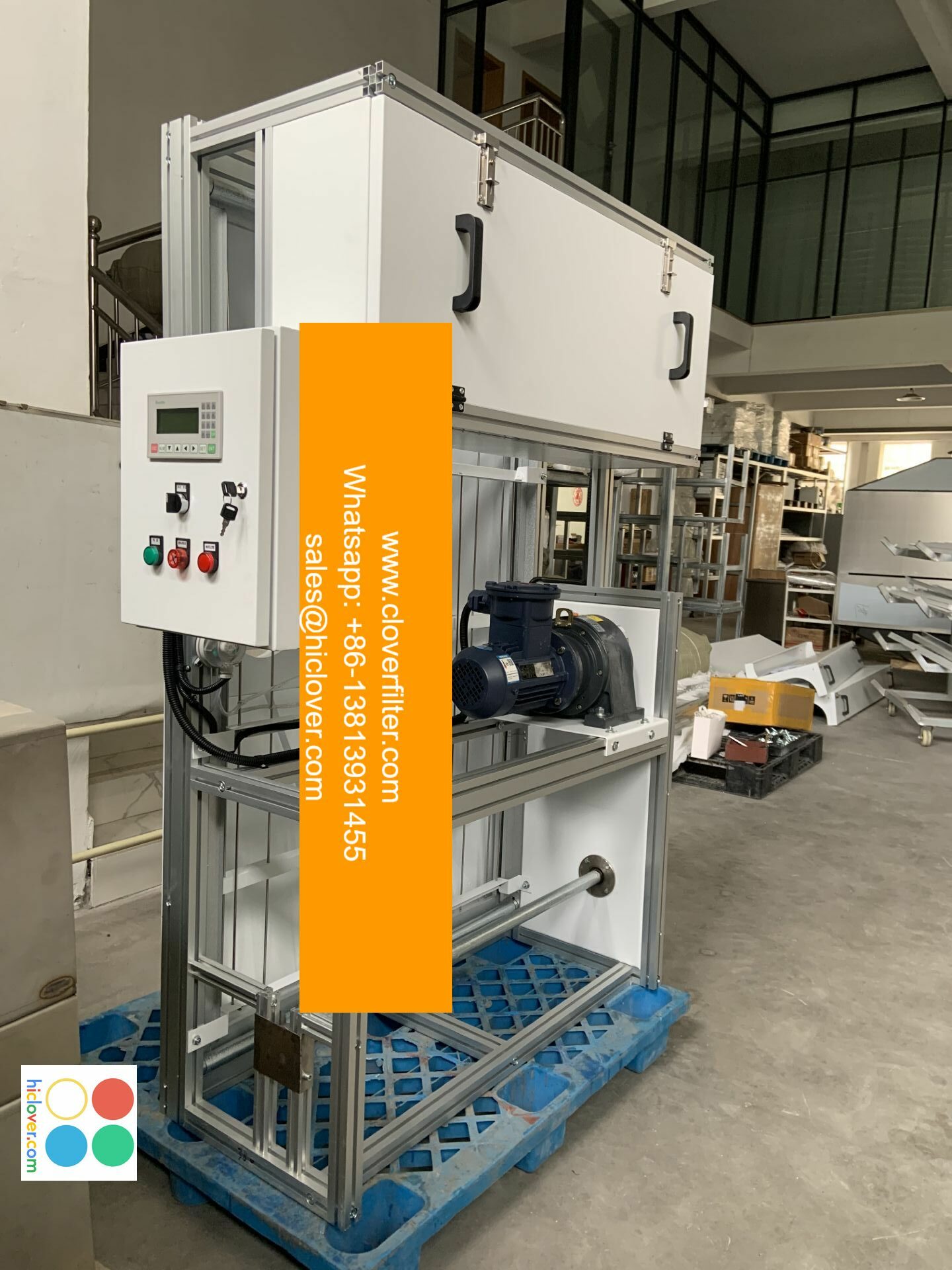
- The Automatic Roll Air Filter offers advanced efficiency in various applications.
- Proper selection ensures optimal performance in HVAC and AHU systems.
- Understand the comparison of different air filter types to make informed choices.
- Avoid common pitfalls during air filter selection and installation.
- Roll Media Advance Logic: The filter media is continuously rolled out as it accumulates dust and pollen, ensuring that clean filtration material is always available.
- Differential Pressure Trigger: These filters come equipped with sensors that initiate the roll mechanism when a predetermined pressure drop is detected, ensuring that the airflow remains steady and efficient.
- Timer Mode: For environments where consistent filter change frequency is crucial, particular units can be set to automatically advance the media according to a pre-defined schedule.
- Airflow Range: Ensure the filter can accommodate the required airflow for your specific application.
- Face Velocity: This pertains to the speed at which air passes through the filter; higher face velocities might necessitate different filter designs.
- Media Dimensions: The width and length of the filter media affect installation compatibility.
- Frame Size: Select a frame that fits into your existing AHU or air handling system.
- Control Options: Consider whether you need a manual or automated control system based on your operational preferences.
- Power Supply: Ensure that the filter’s operation aligns with your facility’s power capabilities.
- Installation Location: Filters can be positioned for fresh air intake, return air, or process air; your application will dictate the best location.
- Ignoring Filter Specifications: Always check the specifications against your requirements to avoid mismatches.
- Inadequate Training: Ensure that maintenance staff understands how to operate and replace filters properly.
- Neglecting Differential Pressure Measurements: Regularly monitor pressure drops to ensure filters are functioning effectively.
- Overlooking Environmental Conditions: Choose filters based on the specific conditions they will face (e.g., humidity, temperature).
- Failure to Assess Space Requirements: Automatic Roll Air Filters need adequate space for operation; plan accordingly.
- Wrong Installation Location: Misplacing filters can compromise system efficiency; ensure correct positioning based on airflow dynamics.
- Skimping on Replacement Frequency: Regularly scheduled replacements ensure air quality is upheld and operational costs are minimized.
- Not Considering Air Quality Standards: Familiarize yourself with relevant air quality standards to guide your purchasing decisions.
- Ignoring energy-saving options: Select filters that are not only effective but also energy-efficient to reduce operational costs.
-
Data Center: A major tech firm installed an Automatic Roll Air Filter to manage fine particulate levels and maintain optimal temperature, resulting in reduced server downtime and lowered cleaning costs.
-
Battery Factory: The facility faced challenges with air quality due to particulate debris. After implementing a robust air filtration strategy with CloverFilter’s Automatic Roll Air Filter, they achieved improved air hygiene, mitigating risks of contamination.
-
Paint Shop: An Automatic Roll Air Filter was introduced to handle the volatile organic compounds (VOCs) and paint overspray. The solution not only enhanced air quality but also streamlined compliance with local environmental regulations.
-
Textile & Steel Plant: The installation of a high-efficiency filter system, incorporating the CloverFilter model, enabled the plants to enhance production efficiency while minimizing respiratory hazards for workers.

What is an Automatic Roll Air Filter?
An Automatic Roll Air Filter is a dynamic air filtration solution designed primarily for use in HVAC and air handling units (AHUs). These filters utilize a roll media system that automatically advances to expose fresh filter material as the existing media gets saturated with particulate matter. This system is parameterized by a differential pressure trigger and can operate in timer mode, ensuring consistent performance without manual intervention. With its capability to maintain airflow quality while minimizing operational costs, the Automatic Roll Air Filter is ideal for various environments, including cleanrooms, data centers, and manufacturing plants.

How Automatic Roll Air Filters Work
Automatic Roll Air Filters incorporate several intelligent mechanisms:
Together, these components help maintain optimal air quality while reducing the need for frequent manual maintenance.
Selection Guide for Air Filters
When choosing the right air filter, consider the following criteria:
Comparing Air Filter Types
| Type of Filter | Best Use Case | Maintenance | Pressure Drop Behavior | Operating Cost | Typical Risk/Downside |
|---|---|---|---|---|---|
| Automatic Roll Filter | Critical environments | Low | Steady | Moderate | Requires space for the roll mechanism |
| Bag Filter | General industrial use | Moderate | Variable, but often higher | Lower initial cost | Bulkier, requires more frequent changing |
| Panel Filter | Light commercial applications | Low | Stable | Low providing good media quality | Limited efficiency for fine particles |
| V-Bank Filter | Heavy dust-load situations | High | Varies significantly | Higher, depending on media type | Can be costly due to replacement frequency |
Common Mistakes & How to Avoid Them
Real-World Scenarios
FAQ Section
Q1: What are air filter terms and conditions?
A1: They refer to the specifications, performance metrics, and guidelines associated with air filters, often essential for selecting the right products.
Q2: How often should air filters be changed?
A2: This depends on the type of filter and environmental factors; however, monitoring differential pressure can provide guidance for optimal replacement times.
Q3: What does MERV stand for?
A3: MERV stands for Minimum Efficiency Reporting Value, a standard that measures the effectiveness of air filters at trapping particles.
Q4: Can I use an Automatic Roll Air Filter in a different application?
A4: Yes, but it’s crucial to consider the specific environmental conditions and filtration requirements of the alternative application.
Q5: What maintenance is required for Automatic Roll Air Filters?
A5: Routine checks of the differential pressure and periodic refresh of the roll media based on usage should be conducted.
Q6: Are filters compliant with ISO 16890?
A6: Many filters meet these standards; however, specific compliance details should be verified directly with the manufacturer.
Conclusion
By understanding air filter terms and conditions, procurement managers and facility engineers can make informed decisions during the selection and implementation of air filtration systems. The Automatic Roll Air Filter from CloverFilter presents a robust solution fit for various industrial applications, ensuring optimal air quality while minimizing maintenance requirements and energy costs.
For more information and to explore what CloverFilter can do for your air filtration needs, visit their website or reach out through their contact page.
Meta Description: Navigate the essential air filter terms and conditions to optimize your air quality management strategy, focusing on CloverFilter’s Automatic Roll Air Filter.
It seems like you entered “Prompt.” Could you please provide more details or clarify what you would like assistance with? Whether you need help with writing, brainstorming ideas, or something else entirely, I’m here to help!
