Understanding Air Filters: Key Takeaways from Our Recent Seminar
As environmental concerns rise and the demand for clean air increases, the importance of air filters has become more pronounced. Our recent seminar aimed at exploring the various dimensions of air filters, their applications, and their benefits across different sectors.
1. What are Air Filters?
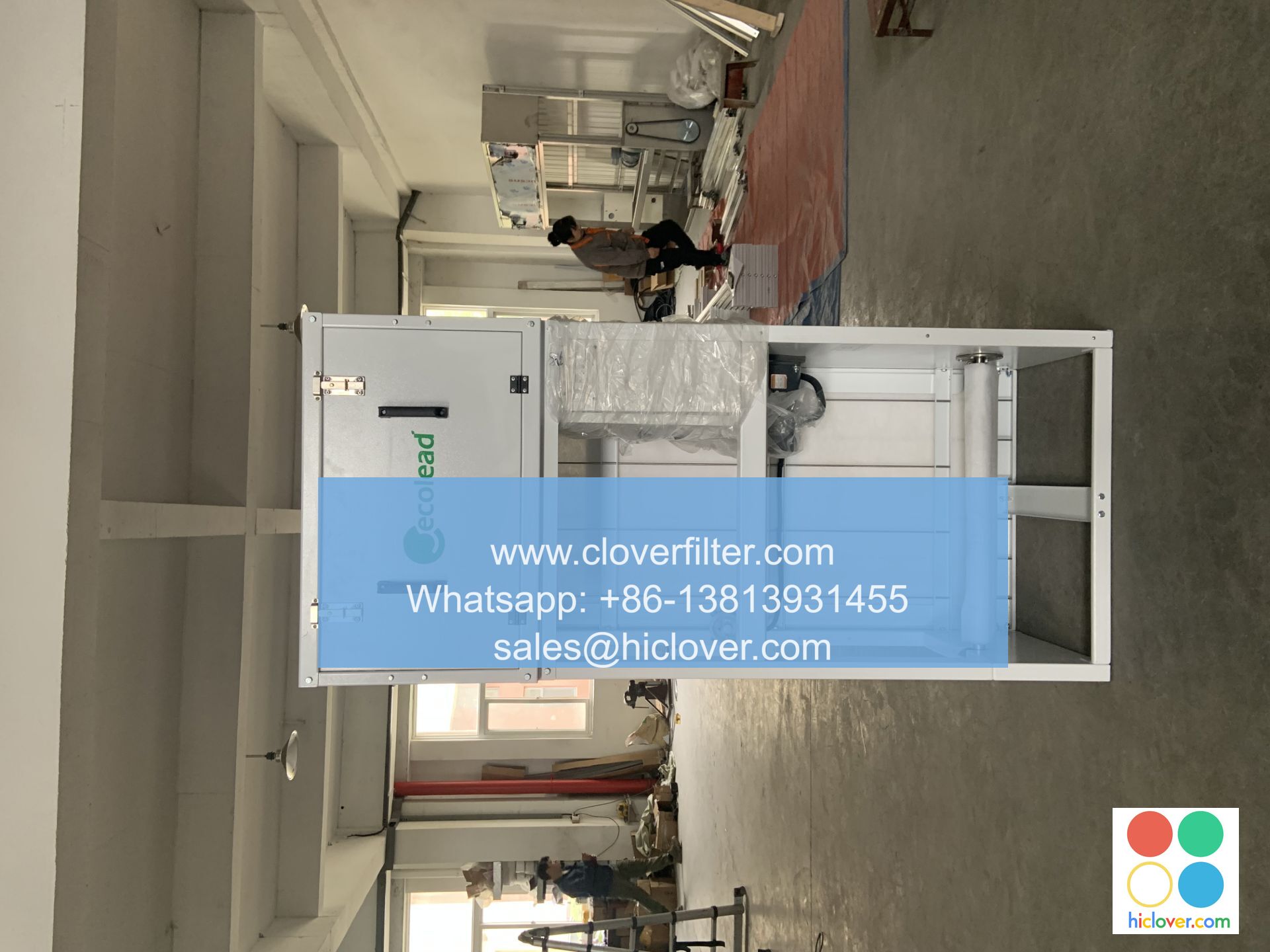
Air filters are devices that remove impurities from air by employing a variety of filtering methods. They are critical for improving air quality in residential, commercial, and industrial environments.
2. Key Types of Air Filters
During the seminar, we discussed several key types of air filters:
- HEPA Filters: High-Efficiency Particulate Air filters are designed to trap 99.97% of particles that are 0.3 microns or larger.
- Activated Carbon Filters: Excellent for removing odors and gases, these filters are commonly used in HVAC systems.
- Washable Filters: Eco-friendly options that can be cleaned and reused, offering cost savings over time.
- Improved Health: By eliminating airborne pollutants, filters reduce the risk of respiratory illnesses.
- Enhanced Comfort: Clean air leads to a more pleasant environment, leading to better performance in workplaces and homes.
- Energy Efficiency: When air filters are maintained and replaced regularly, HVAC systems operate more efficiently, leading to lower energy costs.
- Regularly checking filters for dirt or damage.
- Understanding the manufacturer’s recommendations for replacement intervals.
- Considering the local environment and air quality levels when determining frequency of replacement.
- Smart Filters: Integration with IoT for real-time monitoring of air quality.
- Eco-friendly Materials: Development of filters made from sustainable materials to minimize environmental impact.

3. Applications of Air Filters
Air filters play a crucial role in the following application areas:
Residential Applications
In homes, air filters are essential for HVAC systems, improving indoor air quality by reducing allergens, dust, and mold.
Commercial Applications
Businesses use air filters to ensure a healthy work environment, with good examples being offices, restaurants, and healthcare facilities. Proper filtration can enhance employee productivity and customer comfort.
Industrial Applications
Industries like manufacturing and pharmaceuticals require stringent air quality regulations. Air filters are vital for protecting equipment and ensuring safe working conditions.
4. Benefits of Using Air Filters
Implementing the right air filters has numerous benefits:
5. Maintenance and Replacement Guidelines
To maximize the effectiveness of air filters, proper maintenance is essential. Key points discussed included:
6. Future Trends in Air Filtration
The future of air filtration is poised for growth, with advancements such as:
Conclusion
Understanding air filters is key to enhancing air quality across various environments. Whether for home, business, or industry, the right filtering solutions can lead to significant health benefits, energy savings, and improved quality of life. We encourage everyone to stay informed and proactive in selecting and maintaining air filters to achieve optimal air quality.
It looks like you entered “Prompt.” Could you please provide more details or clarify what you’re looking for? Whether it’s a writing prompt, a question, or something else, I’m here to help!
