Understanding Automatic Roll Dust Filters: A Guide for Kenya’s Fertilizer Industry
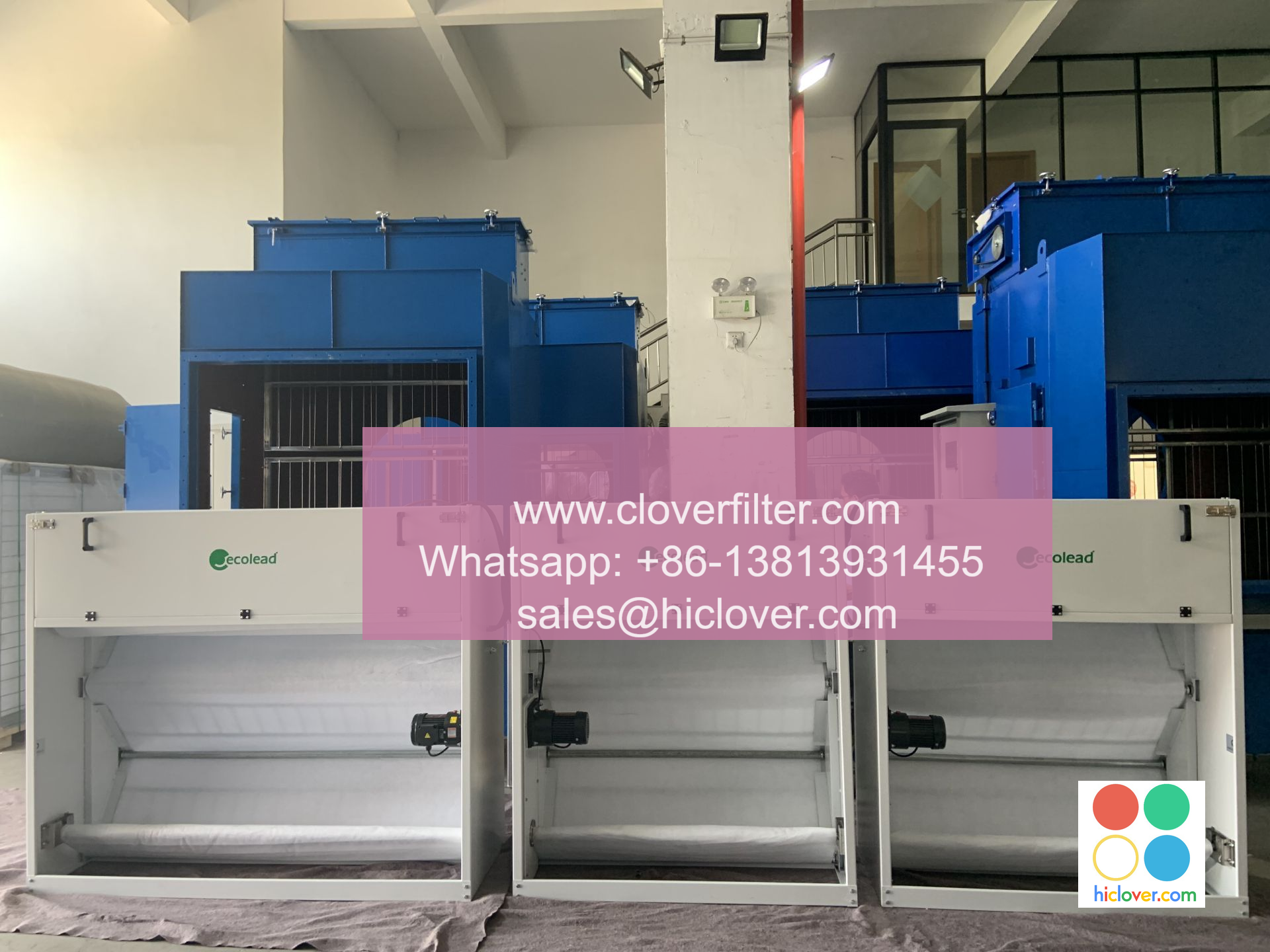
As Kenya’s fertilizer industry continues to expand, the need for effective dust management has become increasingly paramount. One efficient solution that has emerged is the use of automatic roll dust filters. This article will delve into what these filters are, how they work, and their numerous applications within the fertilizer sector.
What are Automatic Roll Dust Filters?

Automatic roll dust filters are advanced filtration systems designed to capture and remove particulate matter from the air. Utilizing a continuous roll of filter media, these systems provide an efficient means of controlling dust and particulate emissions during various operations in the fertilizer production process.
How Do Automatic Roll Dust Filters Work?
The operational mechanism of automatic roll dust filters is quite straightforward. Air laden with dust and other particulates is drawn through the filter media. As it passes through, the dust is trapped on the surface while clean air exits the system. The filter rolls automatically advance to expose a fresh surface as the used portion gets saturated with dust, ensuring continuous operation without manual intervention.
Applications in Kenya’s Fertilizer Industry
Kenya’s fertilizer industry can benefit significantly from the implementation of automatic roll dust filters across various applications:

-
Production Facilities
In production facilities, these filters help maintain air quality by minimizing dust generated during the mixing and granulation processes. This not only protects worker health but also enhances compliance with local environmental regulations.
-
Storage and Handling
When raw materials are handled or stored, dust emission can be a significant issue. Automatic roll dust filters installed in these areas significantly reduce dust dispersion, helping to maintain a cleaner working environment.
-
Transport Systems
During the transportation of fertilizers, especially in bulk, significant dust can be generated. Implementing these filters on transport systems can capture and mitigate this dust, improving not just air quality but also product integrity.
-
Packaging Lines
On packaging lines, dust generated from handling powders can contaminate products. Automatic roll dust filters help ensure a clean packaging process, which is essential for maintaining high product standards and customer satisfaction.
Benefits of Using Automatic Roll Dust Filters
The incorporation of automatic roll dust filters presents several benefits for the fertilizer industry, including:
- Improved Air Quality: By capturing airborne dust, these filters enhance the overall air quality in production environments.
- Enhanced Worker Safety: Reducing dust exposure minimizes respiratory issues and other health-related concerns for employees.
- Regulatory Compliance: Filtering systems help companies meet environmental standards set by regulatory bodies in Kenya.
- Increased Efficiency: With less dust accumulating on machinery and equipment, maintenance needs decrease, leading to improved operational efficiency.
Conclusion
As the fertilizer industry in Kenya seeks ways to improve efficiency and sustainability, the adoption of automatic roll dust filters is a strategic move. Not only do these systems boost air quality and worker safety, but they also align with the industry’s goals of environmental responsibility. Understanding and implementing these advanced filtration systems can greatly benefit fertilizer manufacturers, allowing them to thrive in a competitive market.
Of course! Please provide me with a specific prompt or topic you’d like me to help you with, and I’ll be glad to assist you!
