Understanding Automatic Roll Intake Filters in HVAC Systems
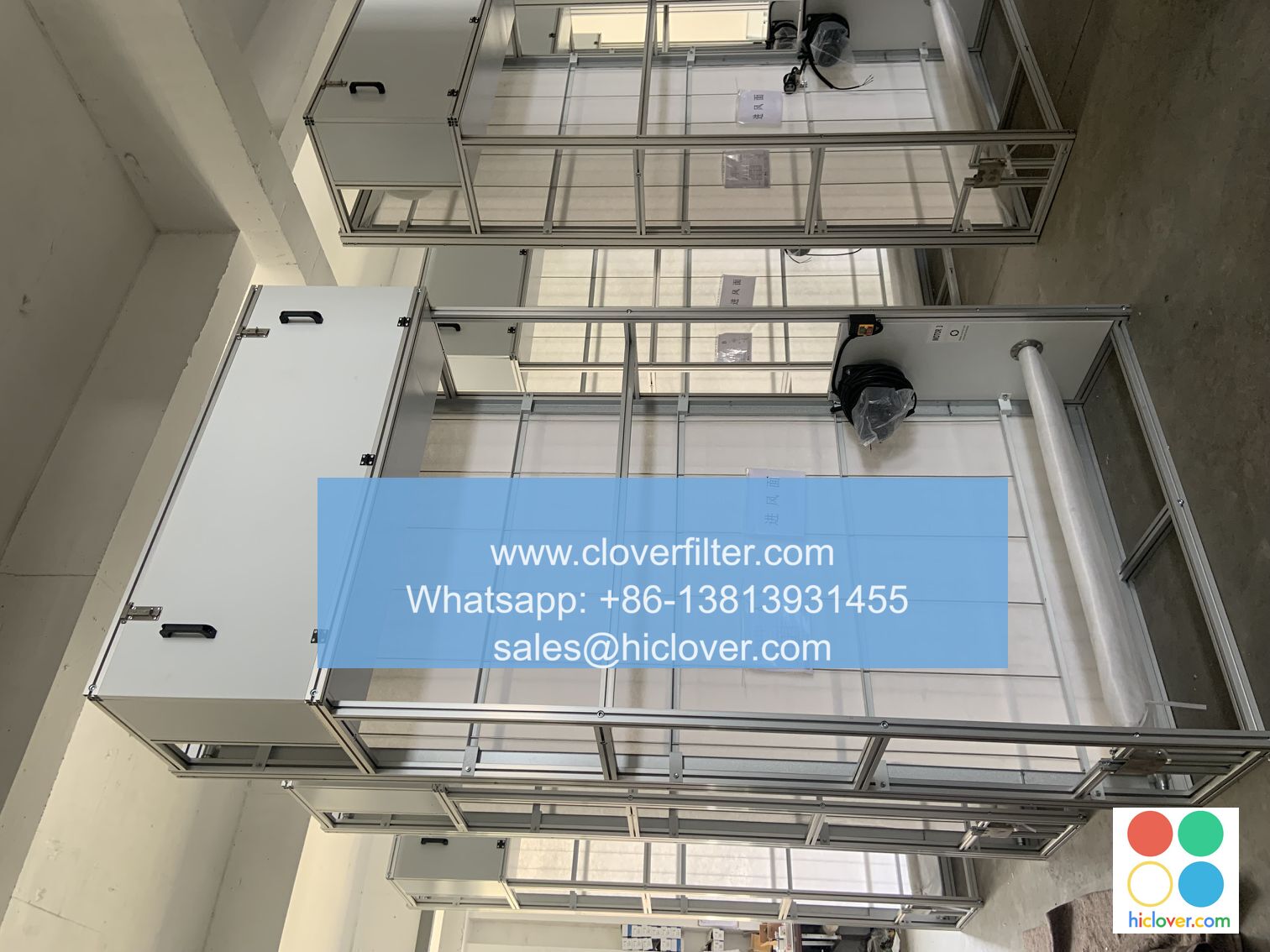
HVAC (Heating, Ventilating, and Air Conditioning) systems are essential for maintaining indoor air quality and comfort. A vital component of these systems is the automatic roll intake filter, which plays a crucial role in protecting the HVAC system from pollutants and enhancing its efficiency. This article delves into the mechanics of automatic roll intake filters, their advantages, and various application areas.
What Are Automatic Roll Intake Filters?

Automatic roll intake filters are specialized filtration devices used in HVAC systems to remove dust, debris, airborne particles, and other contaminants from the incoming air. These filters feature a roll design that automates the filtering process, ensuring that fresh air enters the system while preventing the infiltration of harmful contaminants that could negatively impact indoor air quality and system performance.
How Do Automatic Roll Intake Filters Work?
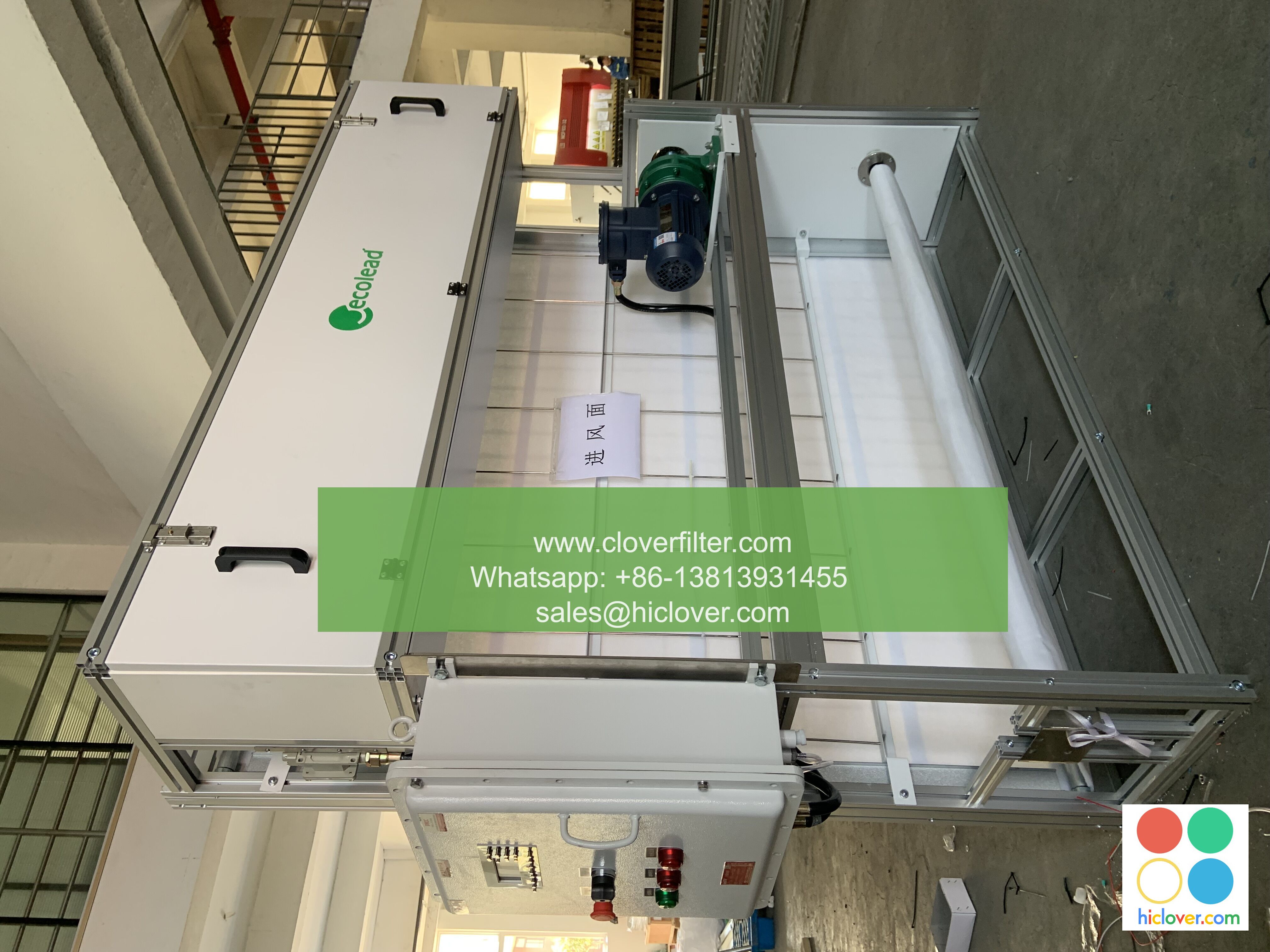
The functionality of automatic roll intake filters is based on a series of mechanisms that continuously deliver fresh filter material as needed. Here’s a step-by-step breakdown of how these filters operate:
- Filter Material: The filters are made from various materials that can efficiently capture particles, including synthetic fibers or electrostatically charged media.
- Roll Mechanism: The filter media is wound on a spool, allowing it to be automatically advanced as the used section becomes saturated with contaminants.
- Monitoring System: Sensors monitor the pressure drop across the filter, indicating when replacement is necessary and allowing for timely advancement of the filter material.
- Automatic Operation: The entire process is typically controlled by the HVAC system’s central management system, enabling hands-free operation and optimizing filter performance.
- Improved Air Quality: By continuously filtering out contaminants, these filters help maintain healthier indoor air quality, benefiting the occupants.
- Reduced Maintenance Costs: The self-cleaning feature minimizes manual intervention, reducing downtime and associated maintenance costs.
- Enhanced Energy Efficiency: A clean filter system lowers energy consumption by optimizing airflow and reducing the strain on the HVAC unit.
- Prolonged Equipment Life: Protecting the HVAC system from dirt and debris helps avoid premature wear and tear, thereby extending its lifespan.
- Commercial Buildings: Offices, retail spaces, and warehouses benefit from cleaner air and a more efficient HVAC system.
- Industrial Facilities: Manufacturing plants require high air quality standards to maintain equipment functionality and worker safety.
- Hospitality Sector: Hotels and restaurants enhance their guests’ experiences by ensuring optimal indoor air quality.
- Healthcare Facilities: Hospitals and clinics rely on these filters for stringent air cleanliness to safeguard patient health.
- Data Centers: Protect sensitive equipment from dust and particles that can affect performance and reliability.
Benefits of Using Automatic Roll Intake Filters
Investing in automatic roll intake filters can yield numerous advantages for HVAC systems:
Application Areas for Automatic Roll Intake Filters
Automatic roll intake filters are versatile and can be effectively used in a variety of settings, including:
Conclusion
Understanding the mechanics and benefits of automatic roll intake filters in HVAC systems is crucial for optimizing performance and ensuring high air quality. Their automated, efficient design not only promotes cleaner air but also contributes to significant operational cost savings and equipment longevity across various application areas. For any facility manager or HVAC technician, utilizing these advanced filters is an effective way to enhance both air quality and system reliability.
It seems like your message got cut off. Could you please provide more details or clarify what you’d like assistance with? Whether it’s a writing prompt, a question, or something else, I’m here to help!
