Understanding CADR: A Key Air Filter Specification to Consider
- Key Takeaways:
- CADR (Clean Air Delivery Rate) is crucial for evaluating air filter effectiveness.
- Consider air filter specifications like airflow range and face velocity in filter selection.
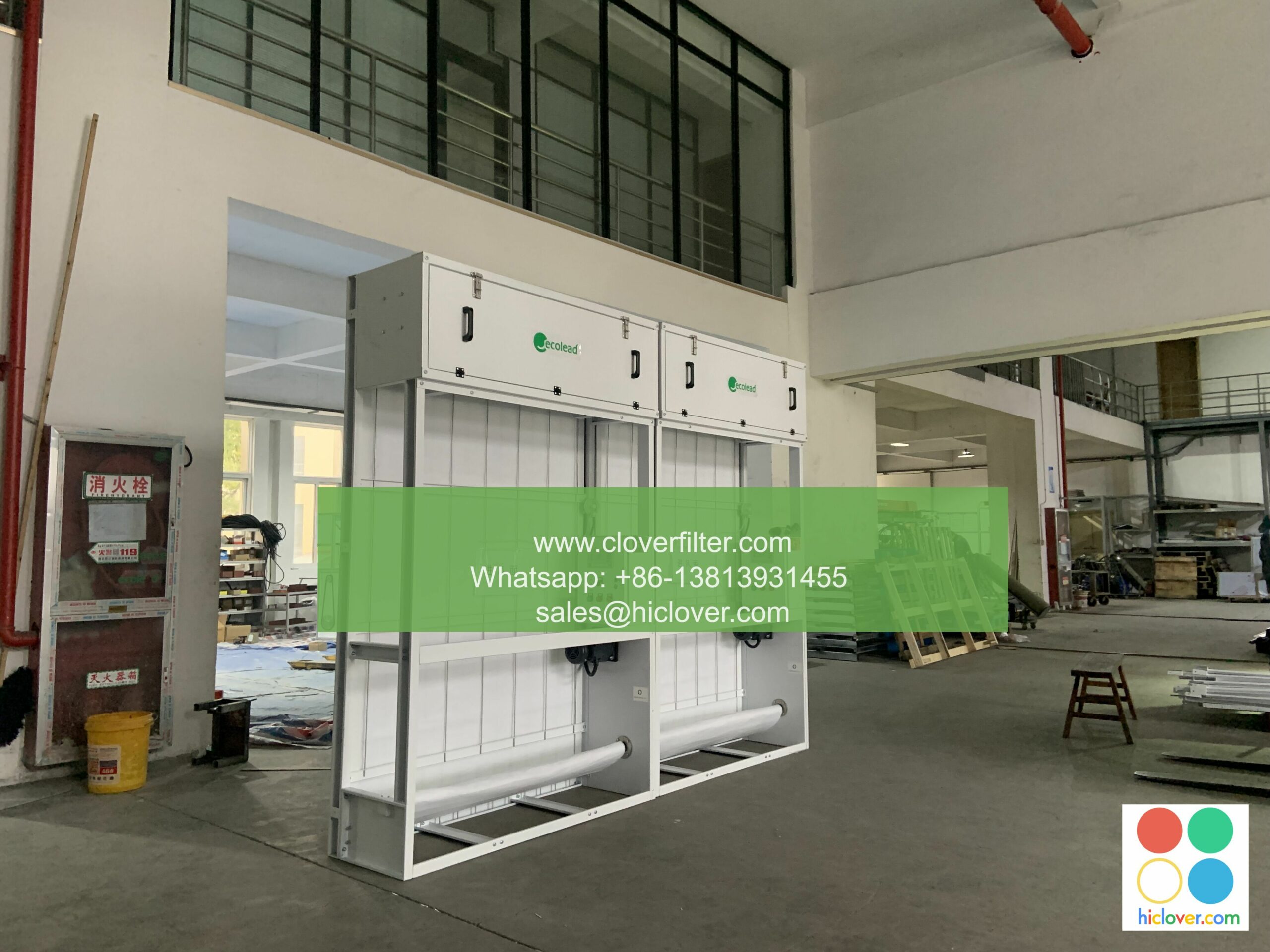
- CloverFilter’s Automatic Roll Air Filter optimizes maintenance with advanced roll media technology.
- Differentiating between filter types can help avoid common pitfalls.
- Compliance with industry standards, while cautious, should be a priority in procurement.
In the industrial landscape, procurement managers, HVAC engineers, and facility managers must navigate various air filter specifications to ensure optimal air filtration in environments like factories, cleanrooms, and data centers. One of the critical specifications is the Clean Air Delivery Rate (CADR), which provides insight into the performance of air filters in effectively removing particulates from the air.

What Is an Automatic Roll Air Filter?
An Automatic Roll Air Filter is a sophisticated filtering system designed to provide high-efficiency particulate control in various HVAC applications. Unlike traditional filters, the Automatic Roll Air Filter employs a roll media advance logic that utilizes a differential pressure trigger. This means that as the filter media becomes clogged with particulate matter, a sensor activates a timer mode that systematically rolls out fresh media, maintaining efficient airflow without manual intervention.
How It Works: Key Features
- Roll Media Advance Logic: The filter continuously rotates its media to ensure fresh media is always in active flow, enhancing filtration effectiveness.
- Differential Pressure Trigger: This feature monitors the pressure across the media. When a set threshold is reached, the roll media automatically advances, ensuring consistent air quality.
- Timer Mode: Enables scheduled advancements of filter media, providing peace of mind for facility managers without needing constant oversight.
- Airflow Range: Ensure the filter can handle the required air volume.
- Face Velocity: Evaluate optimal face velocity to balance dust holding capacity with energy efficiency.
- Media Width/Length: Larger dimensions may provide longer use with fewer media changes.
- Frame Size: Verify compatibility with existing ductwork.
- Control Options: Consider automation options for enhanced filtration management.
- Power Supply: Typically operates on standard voltages; confirm compatibility.
- Installation Location: Determine the best site for installation—fresh air intake, return air, or process applications.
- Ignoring CADR: Not considering CADR can lead to poor air quality.
- Overlooking Filter Maintenance: Neglecting regular checks can result in unnecessary downtime.
- Choosing Incompatible Sizes: Mismatched sizes lead to air bypass and ineffective filtration.
- Disregarding Pressure Drops: High pressure drops can strain the HVAC system, increasing operational costs.
- Failing to Assess Environmental Conditions: Understanding the specific environment is critical for choosing the right filter type.
- Not Considering Energy Efficiency: Filters that are too restrictive may cost more over time due to increased energy consumption.
- Ignoring Control System Compatibility: Ensure the filter integrates seamlessly with existing monitoring systems.
-
Data Center: A facility manager implemented CloverFilter’s Automatic Roll Air Filter to maintain optimal air quality while minimizing downtime. The differential pressure monitoring ensured that the media was changed timely, reducing the risk of overheating server components.
-
Battery Factory: The automatic roll media system was crucial in maintaining cleanliness in a lithium battery production environment. Using CloverFilter allowed for continual air quality monitoring without manual management, ensuring efficient operations.
-
Paint Shop: A paint booth utilized CloverFilter to manage overspray and volatile organic compounds (VOCs). The roll filter advanced without interruption, maintaining effective filtration and compliance with safety standards.
-
Textile/Steel/Cement Plant: In a heavy manufacturing environment, the Automatic Roll Air Filter reduced particulate levels effectively while minimizing maintenance efforts. Using this technology, plant managers observed a significant reduction in equipment clouding and damage from particulate matter.

In HVAC systems, particularly Air Handling Units (AHUs), the Automatic Roll Air Filter is positioned at fresh air intakes or return ducts, functioning to pre-filter dust, allergens, and other particulates before air enters more sensitive areas.
Practical Selection Guide
When selecting the right air filter, consider the following air filter specifications:
Comparing Filter Types
| Filter Type | Best Use Case | Maintenance | Pressure Drop Behavior | Operating Cost | Typical Risk/Downside |
|---|---|---|---|---|---|
| Automatic Roll Air Filter | High particulate environments | Low (automatic media change) | Minimal due to constant fresh media | Moderate | Initial cost per unit may be higher |
| Bag Filter | Heavy dust/dirt environments | Moderate | Moderate | Low | Requires manual replacement |
| Panel Filter | General air quality improvement | High | High | Low | Frequent changes needed |
| V-bank Filter | Space-constrained applications | Moderate | Moderate | Moderate | Can clog easily without proper airflow |
Common Mistakes & How to Avoid Them
Real-World Scenarios
FAQ Section
What does CADR stand for?
CADR stands for Clean Air Delivery Rate, which measures how effectively an air filter removes pollutants from the air.
How is the CADR calculated?
CADR is determined by measuring the volume of clean air produced by the filter, factoring in the pollutants’ sizes.
What is the importance of air filter specifications?
Air filter specifications help identify the right filter that meets operational needs and maintains air quality standards.
How do I maintain an Automatic Roll Air Filter?
Routine checks of the differential pressure readings and ensuring that the system is operational will provide confidence in performance.
Should I consider noise levels for filters?
Yes, especially in environments like offices or hospitals, where ambient noise levels can impact comfort and productivity.
Can the Automatic Roll Air Filter be used in all environments?
While they are versatile, specific environments with extreme temperatures, humidity, or chemical exposures may require specialized filters.
In conclusion, selecting the right air filter entails understanding air filter specifications, including the importance of CADR. CloverFilter’s Automatic Roll Air Filter offers a robust solution for maintaining air quality across various industrial environments while simplifying maintenance tasks.
Meta Description: Explore CADR and air filter specifications to improve air quality in industrial settings. Discover CloverFilter’s Automatic Roll Air Filter for effective filtration.
For tailored solutions to your air filtration needs, reach out to CloverFilter at CloverFilter Contact.
It seems you might be looking for a prompt or topic to discuss. Could you please provide more context or specify the type of prompt you need? For example, are you looking for creative writing prompts, discussion topics, or something else?
