Understanding Different Air Filter Types: A Guide for Customer Service Agents

Key Takeaways:
- Familiarize yourself with various air filter types suitable for industrial applications.
- Learn the operational mechanics of the Automatic Roll Air Filter.
- Understand practical selection criteria such as airflow range and frame size.
- Consider common mistakes to avoid when selecting an air filter.
- Analyze real-world scenarios to grasp application dynamics.
- Utilize CloverFilter resources for comprehensive air filtration solutions.
- Engage with CloverFilter for ongoing support in air filter customer service.
- Airflow Range: Determine the desired airflow condition based on application requirements.
- Face Velocity: Match face velocities to the filter’s MERV rating for optimal performance.
- Media Width/Length: Select media dimensions that fit the existing frame and airflow system.
- Frame Size: Ensure compatibility with your HVAC system specifications.
- Control Options: Explore control settings tailored to specific application needs.
- Power Supply: Identify power needs based on filter model and features.
- Installation Location: Define whether the filter will be used for fresh air intake, return, or process air filtration.
- Neglecting to assess face velocity, leading to inefficient filtration.
- Ignoring maintenance schedules, resulting in reduced filter life.
- Failing to consider installation location, which impacts performance.
- Choosing filters solely based on cost without evaluating performance.
- Overlooking the importance of differential pressure triggers.
- Misunderstanding MERV ratings and their implications on air quality.
- Underestimating the role of dust holding capacity in filter selection.
- Skipping compatibility checks with existing HVAC systems.
- Not taking into account local code requirements and best practices.
- Disregarding manufacturer guidance on media types.

Types of Air Filters in Industrial Applications
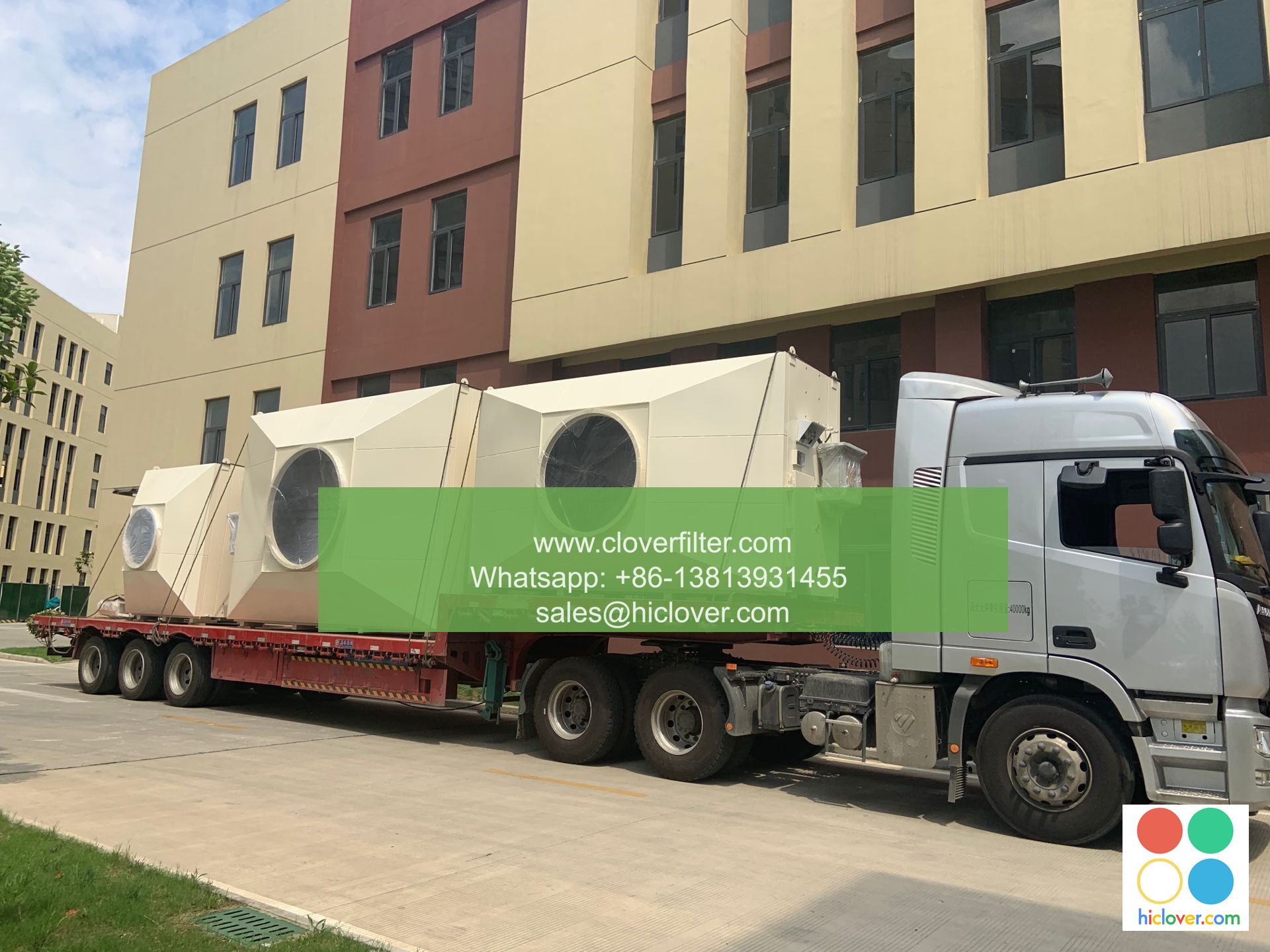
Industrial facilities rely heavily on efficient air filtration systems to maintain air quality, protect equipment, and ensure compliance with safety standards. Understanding the breadth of air filter types, especially as part of air filter customer service, is essential for any procurement manager or HVAC engineer.
Among the various options available, the Automatic Roll Air Filter stands out due to its innovative design and functionality.
What is an Automatic Roll Air Filter?
An Automatic Roll Air Filter utilizes a roll media advancement logic that automates the replacement of the air filter. The filter system is designed to operate based on a differential pressure trigger or timer mode, allowing it to monitor the filter’s condition and replace it when necessary.
In HVAC systems, the Automatic Roll Air Filter is integral to the Air Handling Unit (AHU), specifically managing fresh air intake and return air filtration. Its ability to maximize particulate control while minimizing energy consumption makes it a top choice for various applications—from data centers to cleanrooms.
Practical Selection Guide for Air Filters
Selecting the right air filter involves several key considerations:
These criteria will help optimize filtration processes and ensure effective air quality management.
Comparison Table
| Filter Type | Best Use Case | Maintenance | Pressure Drop Behavior | Operating Cost | Typical Risk/Downside |
|---|---|---|---|---|---|
| Automatic Roll Air Filter | High-load industrial environments | Low (auto-change) | Stable | Moderate to Low | Potential upfront cost |
| Bag Filter | General purpose applications | Moderate | Variable | Moderate | Requires regular bag replacement |
| Panel Filter | Light industrial & residential | Low to moderate | High | Lower | Lower efficiency in high-load |
| V-bank | Air handling units with space constraints | Moderate | High | Moderate | Can be cumbersome to clean |
Common Mistakes & How to Avoid Them
Here are some common pitfalls to avoid when selecting air filters:
Real-World Scenarios
Data Center
In a sprawling data center, maintaining optimal air quality is critical. The installation of Automatic Roll Air Filters at both fresh air intake and process air filtration positions allows them to handle large volumes of air while reducing maintenance frequency, ultimately saving on operational costs.
Battery Factory
With stringent cleanliness requirements, a lithium battery factory employs Automatic Roll Air Filters to manage particulate control in the air handling systems. This ensures that emissions are kept to a minimum, enhancing product quality and worker safety.
Paint Shop
In an industrial paint shop, where volatile organic compounds (VOCs) are prevalent, the automatic roll media feature filters out harmful particulates and helps in maintaining a safer production environment, all while minimizing downtime for maintenance.
Textile/Steel/Cement Plant
A textile facility utilizes an Automatic Roll Air Filter within its HVAC system to manage dust and fibers generated during production. The smart control options adjust filter cycles based on differential pressure readings, ensuring optimal air quality without excessive energy costs.
FAQ Section
1. What is the lifespan of an Automatic Roll Air Filter?
The lifespan can vary based on application load and environment, but they often provide significant reductions in maintenance frequency.
2. How often should filters be replaced in an HVAC system?
This largely depends on airflow and environmental conditions; differential pressure readings can indicate when to replace.
3. Can the Automatic Roll Air Filter be integrated into existing HVAC systems?
Yes, they are designed to fit a range of existing HVAC configurations.
4. Do I need specific training to install these filters?
While specialized training can be beneficial, installation is generally straightforward and can be managed by facility engineers.
5. What are the energy savings associated with using these filters?
Energy savings can range significantly; many users report decreased energy consumption due to reduced pressure drop.
6. Are there any compliance standards for these filters?
While they may align with ISO 16890 and the MERV concept, specific certifications can be provided upon request.
Conclusion
Understanding various air filter types is crucial for ensuring effective air quality management within industrial settings. The Automatic Roll Air Filter from CloverFilter offers advanced filtration capabilities that are adaptable to numerous applications. Leveraging this knowledge can significantly enhance your air filter customer service approach, leading to better procurement decisions and healthier atmospheres in your facility.
Explore more about CloverFilter offerings and engage with our team to tailor solutions for your specific needs. For further inquiries or support, visit CloverFilter’s Contact Page.
Meta Description: Discover key insights into air filter types, focusing on the Automatic Roll Air Filter, for effective air filter customer service in industrial settings.
It seems that your message got cut off. Could you please provide more details or specify what kind of prompt you’re looking for? Whether it’s for writing, brainstorming, or something else, I’m here to help!
