* Understanding different types of air filter materials (e.g. fiberglass, activated carbon, HEPA, etc.)
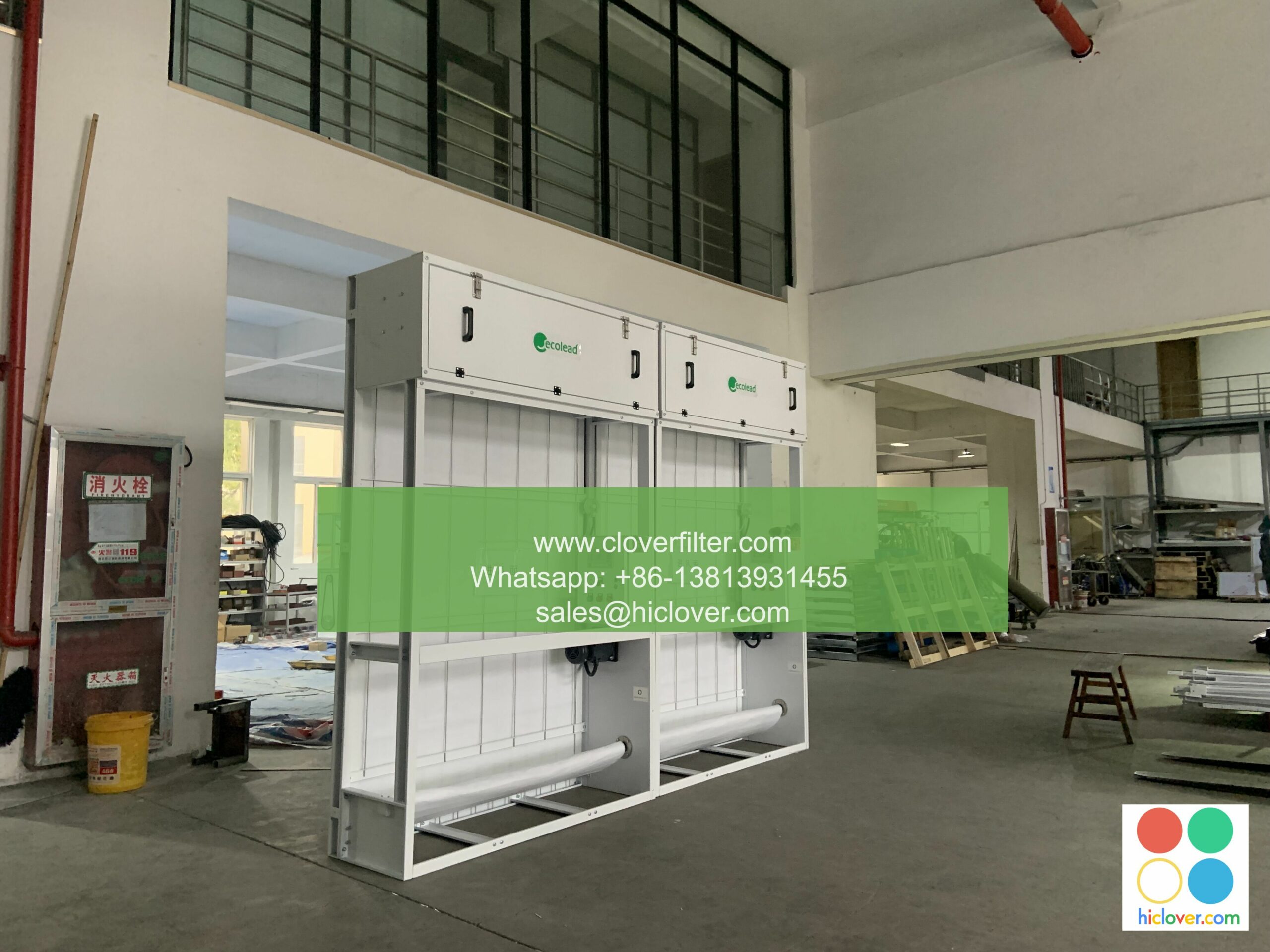
Air filtration is a crucial aspect of maintaining good indoor air quality, and the type of air filter material used can significantly impact its effectiveness. In this article, we will delve into the various types of air filter materials, including fiberglass, activated carbon, HEPA, and more. We will also explore their characteristics, advantages, and application areas, highlighting key words such as air purification, indoor air quality, and filter efficiency.
Fiberglass Air Filters
Fiberglass air filters are one of the most common types of air filters used in residential and commercial applications. They are made from fiberglass material, which is a type of synthetic fiber that is inexpensive to produce. Fiberglass air filters are designed to capture larger particles such as dust, pollen, and pet dander, but may not be effective against smaller particles like bacteria and viruses. They are often used in HVAC systems and are a good choice for applications where basic air filtration is required.
Activated Carbon Air Filters
Activated carbon air filters are designed to capture odor-causing molecules and volatile organic compounds (VOCs) from the air. They are made from activated carbon, a type of porous material that is highly effective at absorbing gases and chemicals. Activated carbon air filters are often used in air purifiers and ventilation systems to improve indoor air quality and reduce odors and chemical emissions.
HEPA Air Filters
HEPA (High Efficiency Particulate Air) filters are designed to capture 99.97% of particles as small as 0.3 microns, including bacteria, viruses, and allergens. They are made from glass fibers or synthetic fibers and are often used in air purifiers, ventilation systems, and medical facilities where high-level air filtration is required. HEPA filters are also used in clean rooms and labs where ultra-clean air is necessary.
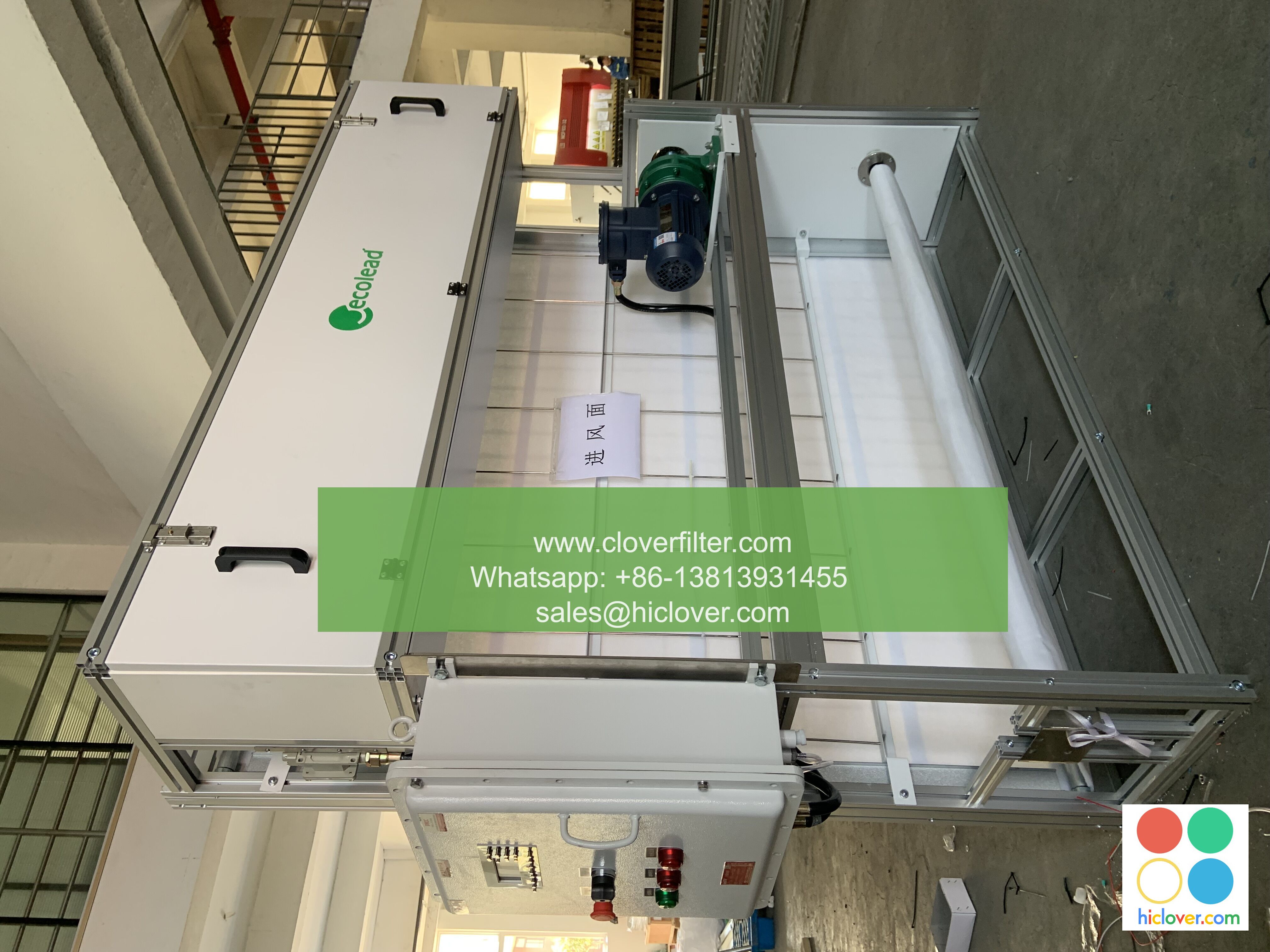
Other Types of Air Filter Materials
In addition to fiberglass, activated carbon, and HEPA, there are several other types of air filter materials available, including:
* Electrostatic air filters, which use electrostatic charges to attract and capture particles
* UV air filters, which use ultraviolet light to kill bacteria and viruses
* Zeolite air filters, which use zeolite, a type of natural mineral, to absorb odors and chemicals
* Antimicrobial air filters, which use antimicrobial agents to prevent the growth of bacteria and mold
Application Areas
Air filter materials have a wide range of application areas, including:
* Residential HVAC systems
* Commercial ventilation systems
* Air purifiers
* Medical facilities
* Clean rooms and labs
* Industrial applications, such as chemical processing and pharmaceutical manufacturing
In conclusion, understanding the different types of air filter materials is crucial for maintaining good indoor air quality and selecting the most effective air filtration system for a specific application. By considering factors such as filter efficiency, air purification, and odor removal, individuals can choose the best air filter material for their needs and ensure a healthier and more comfortable indoor environment. It seems like you didn’t provide a specific prompt. Could you please provide more details or clarify what you would like to discuss or ask about? I’m here to help with any questions or topics you have in mind.
