Understanding HVAC Filter Technology for Optimal Performance in Ceramic Plants
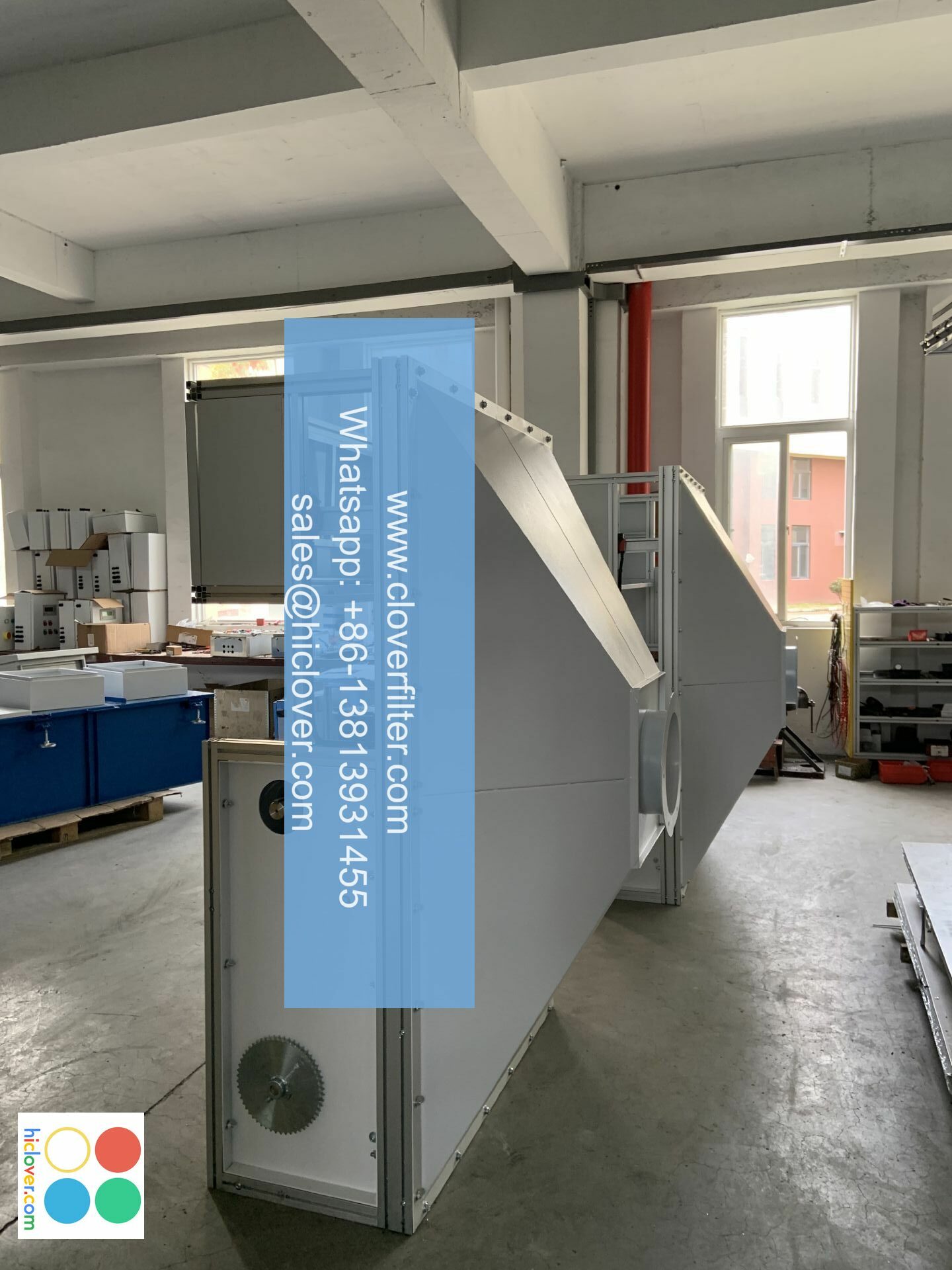
Maintaining a controlled environment in ceramic plants is crucial for product quality and operational efficiency. One of the key components in achieving this is the HVAC (Heating, Ventilation, and Air Conditioning) system, specifically its filter technology. This article delves into the importance of HVAC filters, the technology behind them, and their optimal applications in ceramic manufacturing.
The Role of HVAC Filters in Ceramic Plants
HVAC filters serve a vital function in maintaining air quality, controlling humidity, and ensuring temperature stability. In ceramic plants, where fine particles and dust can impact product quality, a reliable filtering system is paramount.
Key Functions of HVAC Filters
1. Air Quality Improvement
Good air quality is essential for the comfort and safety of workers. HVAC filters capture airborne particulates, contaminants, and harmful VOCs (volatile organic compounds) that can be prevalent during the manufacturing process.
2. Humidity Control
Humidity levels can directly affect the curing and drying phases of ceramic production. Specialized filters equipped with moisture-absorbing materials help maintain optimal humidity levels, preventing defects in the final products.

3. Temperature Regulation
Consistent temperature control is vital for the safe operation of kilns and other equipment in a ceramic plant. High-efficiency filters contribute to the overall efficiency of the HVAC system, allowing for better thermal regulation.
Types of HVAC Filter Technology
HEPA Filters
High-Efficiency Particulate Air (HEPA) filters are designed to trap 99.97% of particles that are 0.3 microns in diameter or larger. This makes them ideal for capturing fine dust and contaminants, thereby improving overall air quality in ceramic plants.
Electrostatic Filters
Using static electricity, electrostatic filters attract and capture dust particles. They are highly efficient and often washable, making them a sustainable choice for ongoing operations in the ceramic industry.
Activated Carbon Filters
Activated carbon filters adsorb odors and VOCs, providing an additional layer of air purification. These filters are particularly valuable in ceramic plants that use particular materials in their processes that may emit unpleasant smells.
Application Areas for HVAC Filters in Ceramic Manufacturing
1. Drying Rooms
In drying rooms, maintaining optimal temperature and humidity levels is crucial for preventing defects in ceramic products. Advanced HVAC filters ensure stable conditions, enhancing the efficiency of the drying process.
2. Glazing Stations
In glazing areas, airborne particles may lead to imperfections in finishes. High-efficiency filters help to maintain a clean environment, resulting in higher quality glaze applications.
3. Kiln Operations
During the firing process, controlling emissions and temperature stability is vital. Specialized HVAC filters in kiln operations help minimize smoke and particulates released, ensuring compliance with environmental regulations.
Conclusion
Implementing the right HVAC filter technology is integral to achieving optimal performance in ceramic plants. By understanding the various HVAC filter types and their specific applications, plant managers can make informed decisions that enhance air quality, control humidity, and regulate temperature. In a competitive industry like ceramics, quality and operational efficiency are paramount, and effective HVAC filter technology provides an essential foundation for success.
It seems like you might be looking for a prompt or idea to get started on something specific, but I need a bit more context to assist you better. Are you looking for writing prompts, creative ideas, discussion topics, or something else? Let me know how I can help!
