Understanding the Difference Between HEPA and High-Efficiency Air Filters
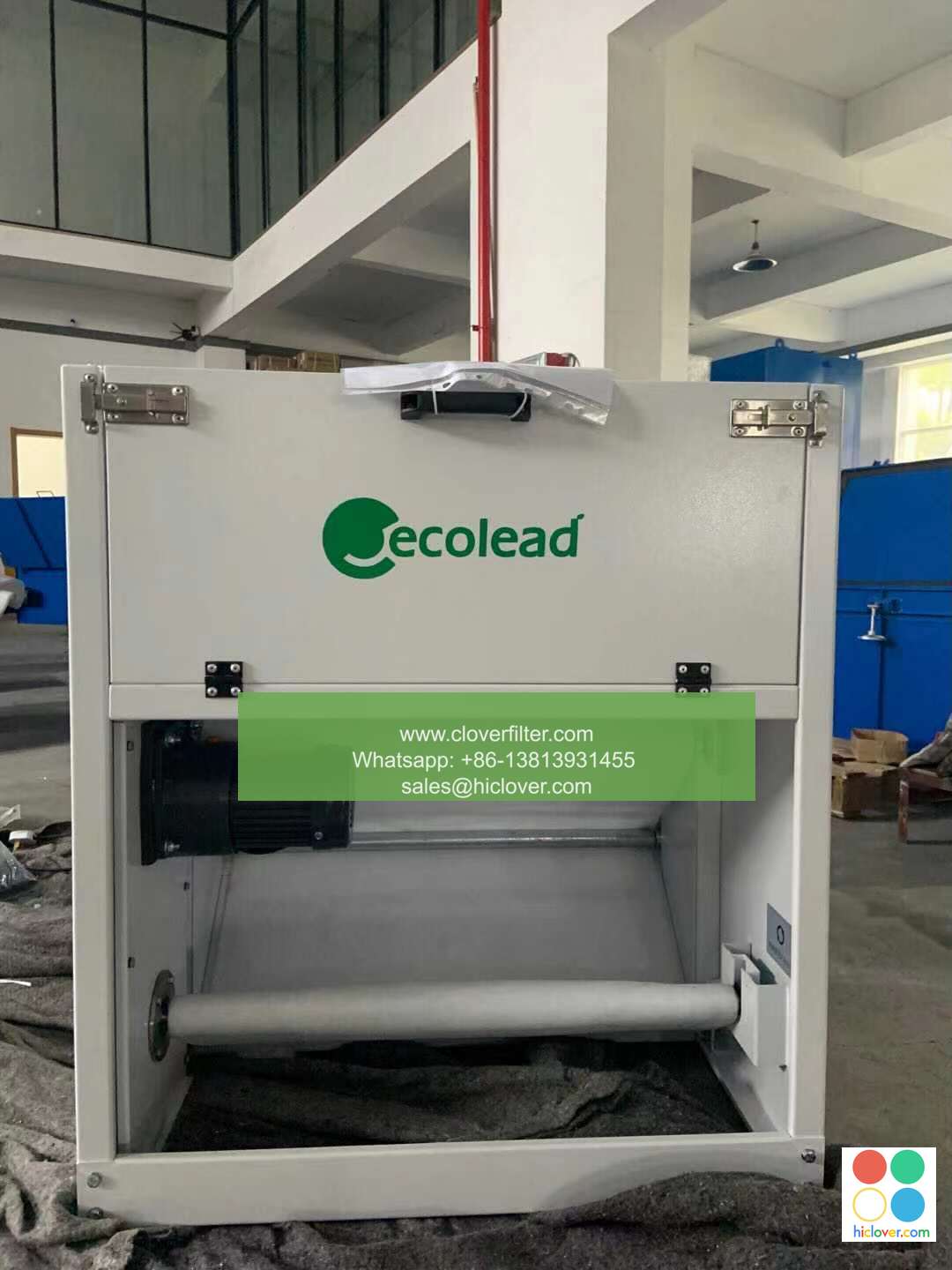
When it comes to air purification, two popular types of filters are often compared: HEPA (High Efficiency Particulate Air) and High-Efficiency air filters. While both are designed to remove airborne particles and improve indoor air quality, there are significant differences between the two.
What is HEPA Filtration?
HEPA filtration is a type of air filtration that uses a specialized filter to remove 99.97% of particles as small as 0.3 microns from the air. This includes dust, pollen, smoke, and other airborne allergens and pollutants. HEPA filters are highly efficient and are often used in applications where clean air is crucial, such as in healthcare facilities, cleanrooms, and industrial settings. HEPA filters are also commonly used in home air purifiers and vacuum cleaners to improve indoor air quality and reduce allergy symptoms.
What are High-Efficiency Air Filters?
High-Efficiency air filters, on the other hand, are designed to capture a high percentage of airborne particles, but may not meet the same standards as HEPA filters. These filters are often used in commercial HVAC systems and industrial applications where air quality is a concern, but the level of filtration may not need to be as high as in medical facilities or cleanrooms. High-Efficiency air filters are also used in residential air purifiers and whole-house filtration systems to improve indoor air quality and reduce energy costs.
Key Differences Between HEPA and High-Efficiency Air Filters
The main differences between HEPA and High-Efficiency air filters are:
* Filtration efficiency: HEPA filters are designed to capture 99.97% of particles as small as 0.3 microns, while High-Efficiency air filters may capture a lower percentage of particles.
* Particle size: HEPA filters can capture smaller particles, including viruses and bacteria, while High-Efficiency air filters may not be effective against these smaller particles.
*
Application Areas for HEPA and High-Efficiency Air Filters
Both HEPA and High-Efficiency air filters have a wide range of applications, including:
* Healthcare facilities: HEPA filters are often used in hospitals, clinics, and other medical facilities to reduce the spread of airborne diseases.
* Cleanrooms: HEPA filters are used in cleanrooms to maintain a sterile environment and prevent contamination.
* Industrial settings: HEPA and High-Efficiency air filters are used in industrial settings to improve air quality and reduce the risk of respiratory problems.
* Home air purifiers: HEPA and High-Efficiency air filters are used in home air purifiers to improve indoor air quality and reduce allergy symptoms.
* Commercial HVAC systems: High-Efficiency air filters are used in commercial HVAC systems to improve air quality and reduce energy costs.
Conclusion
In conclusion, while both HEPA and High-Efficiency air filters are designed to improve indoor air quality, there are significant differences between the two. HEPA filters are highly efficient and are often used in applications where clean air is crucial, while High-Efficiency air filters are used in applications where air quality is a concern, but the level of filtration may not need to be as high. Understanding the differences between these two types of filters can help you choose the right one for your specific needs and application area. It looks like you didn’t include a prompt. Please go ahead and ask me a question, provide a topic, or give me a prompt to work with, and I’ll be happy to assist you!
