Understanding the Impact of Air Filter Type on Allergy Symptoms
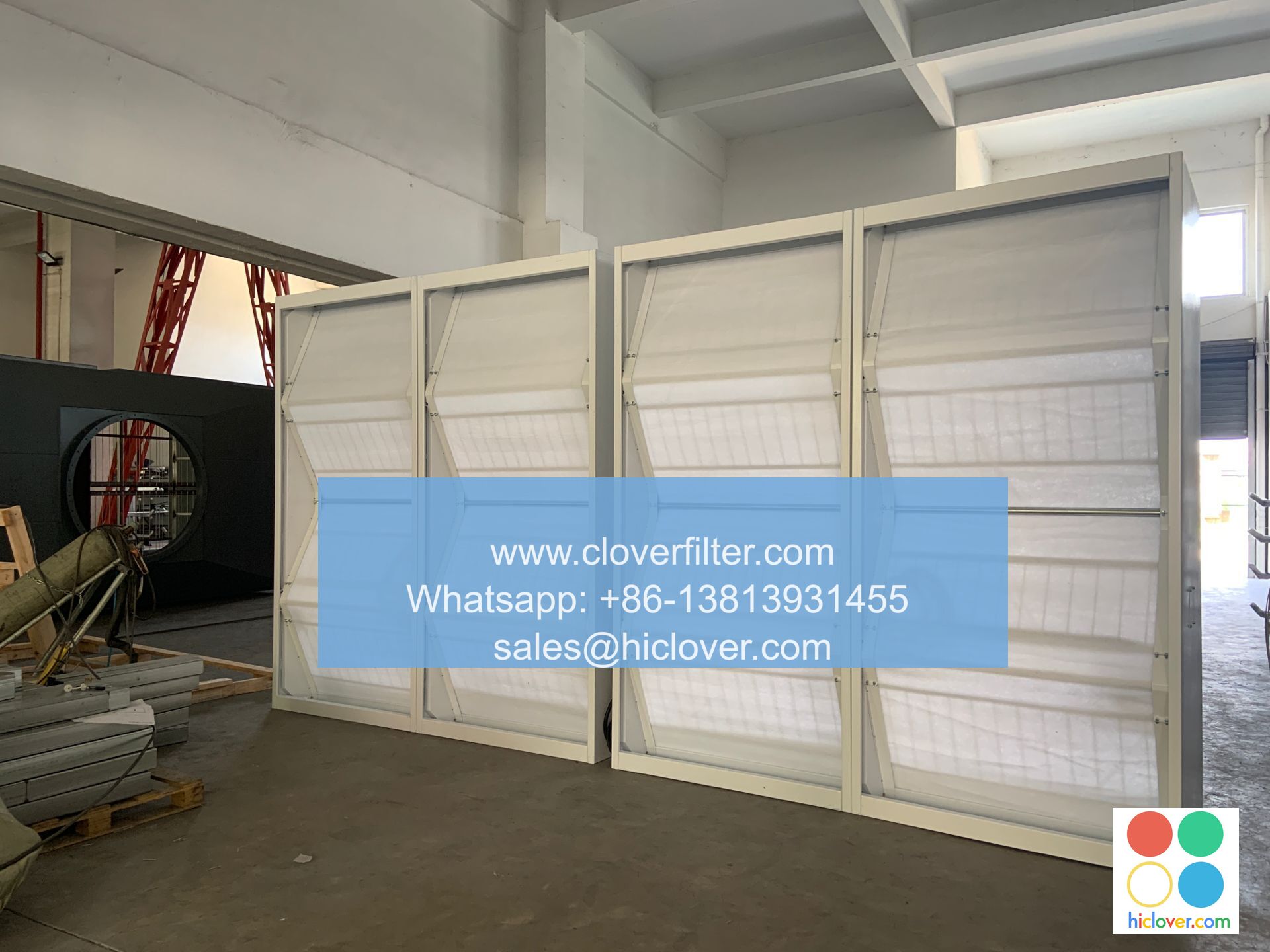
Air filters play a crucial role in maintaining good indoor air quality, which is essential for people suffering from allergies. The type of air filter used can significantly impact the severity of allergy symptoms. In this article, we will explore the different types of air filters, their effectiveness in removing allergens, and the applications where they are most useful.
Types of Air Filters and Their Applications
There are several types of air filters available, each with its own strengths and weaknesses. The most common types include:
* HEPA (High Efficiency Particulate Air) filters: These filters are highly effective in removing 99.97% of particles as small as 0.3 microns, including dust, pollen, and other allergens. HEPA filters are commonly used in home air purifiers, vacuum cleaners, and HVAC systems.
* Activated Carbon filters: These filters are designed to remove gases, odors, and chemicals from the air. They are often used in combination with HEPA filters to provide comprehensive air cleaning. Activated Carbon filters are useful in indoor air pollution control and odor removal.
* Ionizing filters: These filters use electrical charges to attract and trap particles. They are often used in air purifiers and whole-house filtration systems.
* UV-C light filters: These filters use ultraviolet light to kill bacteria, viruses, and other microorganisms. They are commonly used in hospital air purification systems and commercial air cleaning applications.
Impact of Air Filter Type on Allergy Symptoms
The type of air filter used can have a significant impact on allergy symptoms. For example:
* Pollen allergy sufferers can benefit from using HEPA filters, which can remove 99.97% of pollen particles from the air.
* Dust mite allergy sufferers can benefit from using HEPA filters, which can remove 99.97% of dust mite particles from the air.
* Pet allergy sufferers can benefit from using Activated Carbon filters, which can remove pet dander and odors from the air.
* Mold allergy sufferers can benefit from using UV-C light filters, which can kill mold spores and prevent their growth.
Applications of Air Filters in Allergy Relief
Air filters can be used in a variety of applications to provide relief from allergy symptoms. Some of the most common applications include:
* Home air purification systems: These systems can be installed in homes to provide comprehensive air cleaning and allergy relief.
* Portable air purifiers: These devices can be used in individual rooms to provide targeted air cleaning and allergy relief.
* Whole-house filtration systems: These systems can be installed in HVAC systems to provide comprehensive air cleaning and allergy relief throughout the entire home.
* Commercial air cleaning applications: Air filters can be used in commercial settings, such as offices, schools, and hospitals, to provide comprehensive air cleaning and allergy relief.

Conclusion
In conclusion, the type of air filter used can have a significant impact on allergy symptoms. By understanding the different types of air filters and their applications, individuals can make informed decisions about which filters to use to provide relief from their allergy symptoms. Whether it’s a HEPA filter, Activated Carbon filter, Ionizing filter, or UV-C light filter, there is an air filter available to suit every need and application. By using the right air filter, individuals can breathe easy and enjoy a healthier, happier life. Prompt
