Understanding the Importance of Air Filtration in Industrial Settings
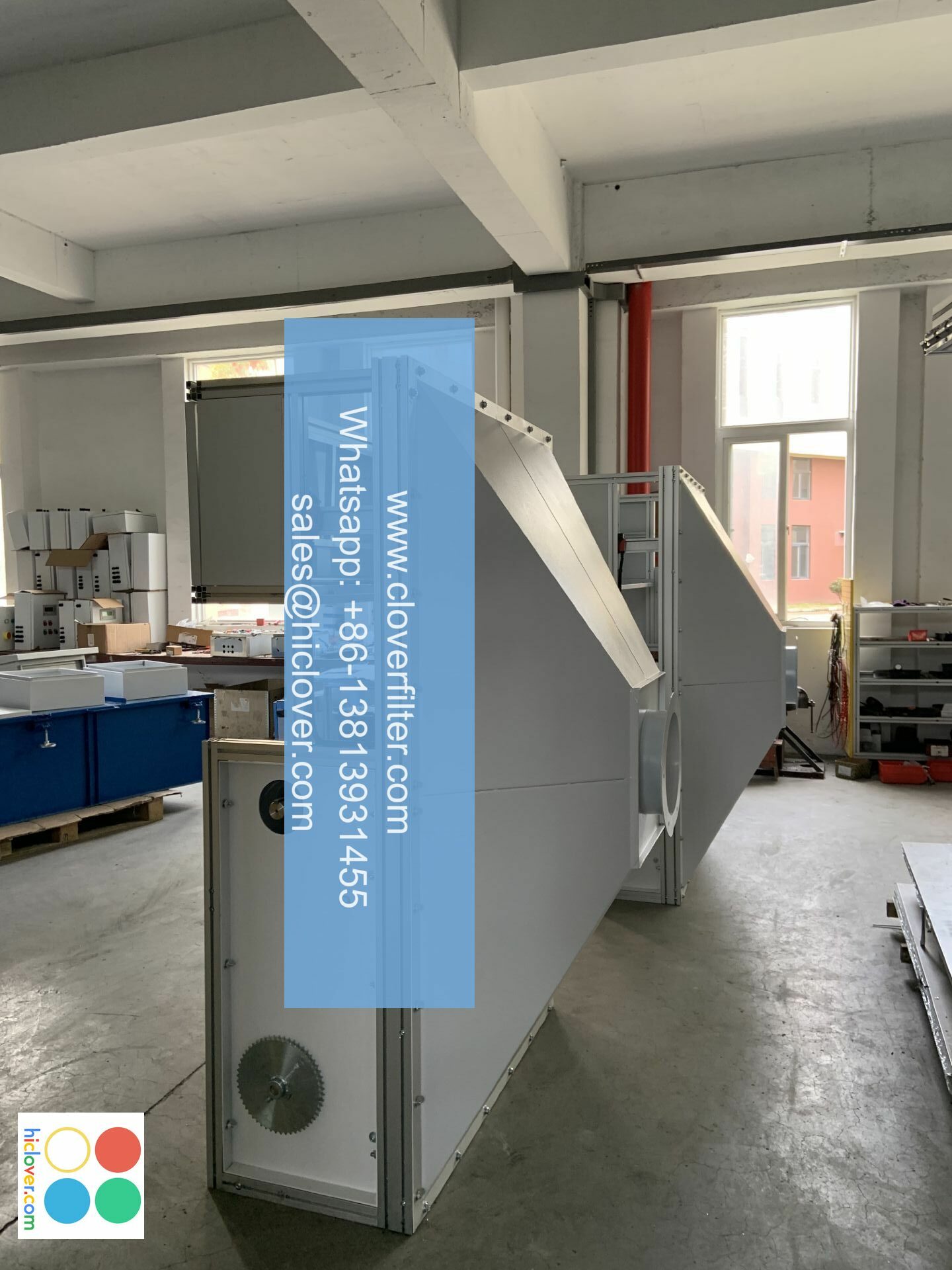
Air filtration is a crucial aspect of maintaining a safe and healthy environment in industrial settings. The importance of air filtration cannot be overstated, as it plays a key role in removing airborne contaminants, preventing equipment damage, and reducing the risk of respiratory problems among workers. In this article, we will explore the significance of air filtration in industrial settings and highlight various application areas where it is essential.
Types of Airborne Contaminants
Industrial settings can be plagued by a variety of airborne contaminants, including particulate matter (PM), gases, and vapors. These contaminants can come from various sources, such as chemical processing, welding, and material handling. If left unchecked, these contaminants can lead to respiratory problems, equipment damage, and environmental pollution. Effective air filtration systems can help remove these contaminants, ensuring a safer and healthier work environment.
Application Areas of Air Filtration
Air filtration is essential in various industrial application areas, including:
* Pharmaceutical manufacturing: Air filtration is critical in pharmaceutical manufacturing to prevent contamination and ensure the quality of products.
* Food processing: Air filtration is necessary in food processing to prevent the spread of airborne contaminants and maintain a clean and safe environment.
* Chemical processing: Air filtration is essential in chemical processing to remove hazardous gases and vapors, and prevent equipment damage.
* Welding and metalworking: Air filtration is necessary in welding and metalworking to remove airborne contaminants, such as metal fumes and particulate matter.
* Power generation: Air filtration is critical in power generation to prevent equipment damage and ensure the efficient operation of equipment.
Benefits of Air Filtration
The benefits of air filtration in industrial settings are numerous, including:
* Improved indoor air quality (IAQ)
* Reduced risk of respiratory problems
* Prevention of equipment damage
* Increased productivity
* Compliance with regulatory requirements

Choosing the Right Air Filtration System
Choosing the right air filtration system is crucial to ensure effective removal of airborne contaminants. Factors to consider when selecting an air filtration system include:
* Types of contaminants present in the air
* Airflow rates and pressure drops
* Filter efficiency and capture rate
* Maintenance and replacement costs
* Space and installation constraints
Conclusion
In conclusion, air filtration is a critical component of industrial settings, playing a vital role in removing airborne contaminants, preventing equipment damage, and reducing the risk of respiratory problems. By understanding the importance of air filtration and selecting the right air filtration system, industrial facilities can ensure a safer and healthier work environment, improve indoor air quality, and increase productivity. Whether it’s pharmaceutical manufacturing, food processing, or power generation, air filtration is an essential aspect of maintaining a clean and safe environment.
