Understanding the Importance of Effective Roll Ventilation in Assembly Lines
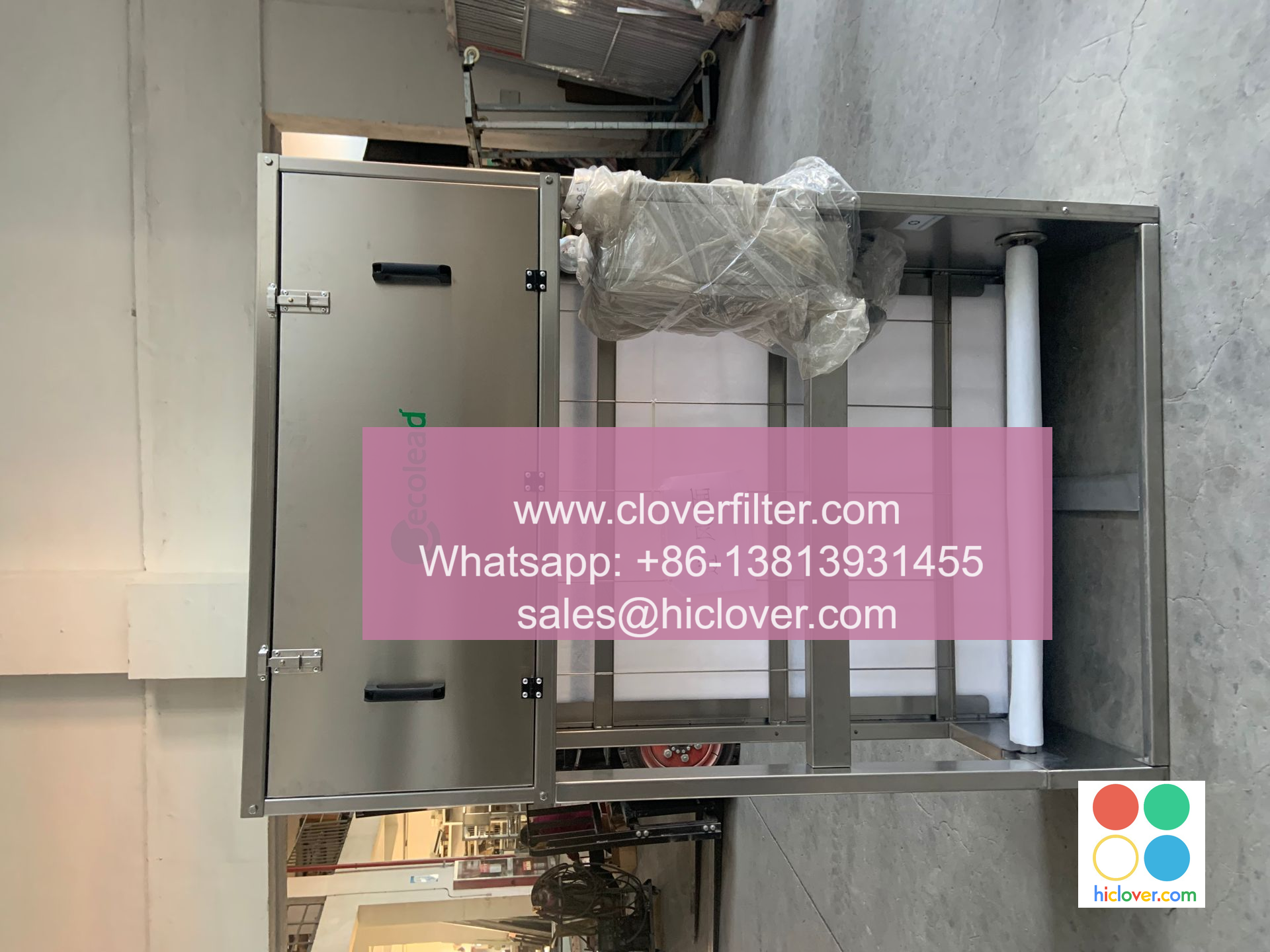
In the fast-paced world of manufacturing, effective roll ventilation plays a crucial role in ensuring not just the safety but also the productivity of assembly lines. This article delves into the significance of roll ventilation, its applications, and the benefits it brings to various sectors.
What is Roll Ventilation?

Roll ventilation refers to a systematic approach used in industrial settings to enhance air circulation and improve air quality. It often involves the movement of air across production areas to mitigate heat buildup, remove pollutants, and maintain comfortable working conditions for employees.
Why is Roll Ventilation Important?
The importance of roll ventilation lies in its ability to:
- Improve Air Quality: By eliminating contaminants and ensuring a steady flow of clean air, roll ventilation helps to maintain a healthy workplace.
- Enhance Worker Comfort: Adequate airflow can reduce excessive heat and humidity, promoting a comfortable work environment.
- Increase Productivity: With improved air quality and worker comfort, employees can focus better and work more efficiently.
- Ensure Compliance: Many industries are required to adhere to specific ventilation standards to protect worker safety and health.
- Cost Savings: Improved air circulation can reduce energy costs by decreasing the need for heating or cooling systems.
- Reduced Downtime: With a safer and more comfortable environment, there are fewer health-related absences and more consistent productivity.
- Enhanced Operational Efficiency: Process efficiency can improve as a result of increased comfort and air quality.

Application Areas of Roll Ventilation
Roll ventilation finds relevance in various sectors, each with unique needs and challenges:
1. Automotive Manufacturing
In automotive assembly lines, materials like paint can release harmful fumes. Effective roll ventilation provides essential airflow to reduce the concentration of these fumes, ensuring a safe working environment.
2. Electronics Manufacturing
The production of electronic devices often generates particles and volatile compounds. Proper roll ventilation can help mitigate these risks and protect sensitive electronic components from contamination.
3. Food Processing
In food processing facilities, maintaining hygiene is paramount. Roll ventilation helps control odor and moisture levels, reducing the likelihood of bacterial growth and ensuring product quality.
4. Pharmaceutical Production
In the pharmaceutical industry, roll ventilation is vital for maintaining sterile environments. By controlling airflow and reducing particulate contamination, it supports compliance with stringent health standards.
Benefits of Implementing Effective Roll Ventilation
Implementing an effective roll ventilation system can lead to numerous benefits:
Conclusion
Effective roll ventilation is more than just a regulatory requirement; it is a cornerstone of operational excellence in assembly line environments. By understanding its importance and applications across various industries, companies can foster safer and more productive workplaces.
Investing in a well-designed roll ventilation system is not merely an expenditure but a strategic move towards sustainable growth, employee satisfaction, and overall operational efficiency.
It seems you might be looking for a prompt, but I need a bit more detail. Are you looking for a writing prompt, a creative idea, or something else? Let me know, and I’d be happy to help!
