Understanding the Importance of Third-Party Certifications for Air Filters
- Key Takeaways:
- Third-party certifications validate air filter performance.
- Compliance with air filter standards enhances reliability.
- Automatic Roll Air Filters optimize maintenance and energy efficiency.
- Understanding airflow and pressure drop behaviors is crucial for selection.
- Choosing filters that comply with ISO 16890 or MERV framework can improve air quality and system performance.
- Misunderstanding filter specifications can lead to operational inefficiencies.
- Real-world applications provide insights into filter effectiveness.
Introduction to Air Filter Standards

In industrial settings, maintaining optimal air quality is essential for both performance and health. This is where air filter standards play a crucial role. These standards ensure that air filters, like the Automatic Roll Air Filter from CloverFilter, perform consistently under specified conditions. Reputable third-party certifications verify that these filters meet rigorous expectations for efficiency, durability, and particulate control.
What is an Automatic Roll Air Filter?
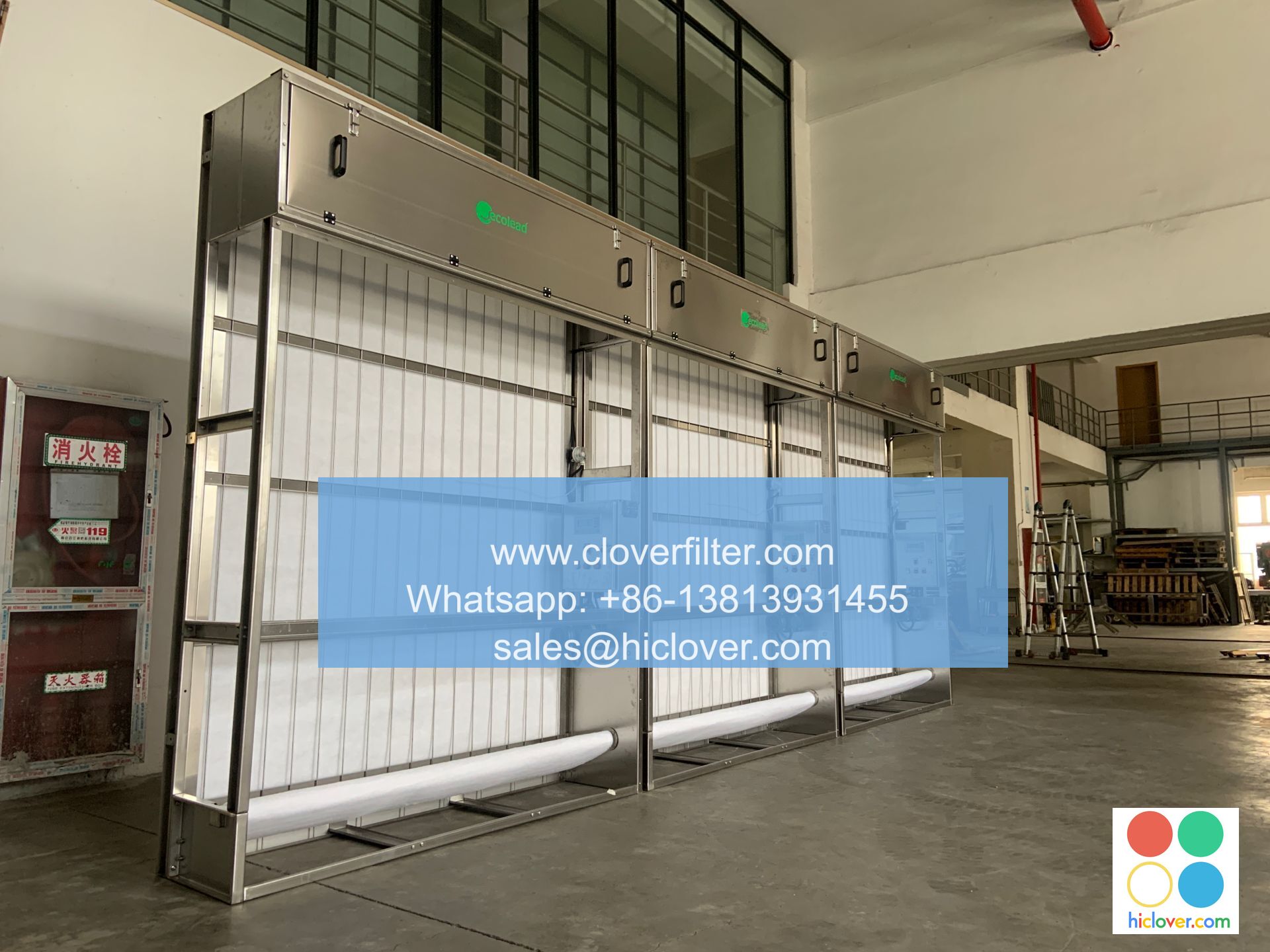
The Automatic Roll Air Filter is a sophisticated filtration solution primarily used in HVAC and air handling unit (AHU) systems. It incorporates advanced roll media that allows the filter to efficiently capture particulates while minimizing pressure drop. As the filter media becomes loaded with dust and debris, a differential pressure trigger activates the media advance logic. This ensures that clean media is always in the airflow path, optimizing performance and reducing maintenance frequency.
How It Works
- Roll Media Advance Logic: The roll of media automatically advances based on pressure differentials, ensuring optimum filtering performance.
- Differential Pressure Trigger: Sensors measure the pressure drop across the filter and activate the roll mechanism when a set threshold is reached.
- Timer Mode: Users can also set the filter to operate based on a timer, allowing for hands-free management of the filtration system.
- Airflow Range: Understand the system’s required airflow (CFM) and select a filter that can accommodate this range effectively.
- Face Velocity: Optimal face velocity should be maintained to balance noise levels and filter efficiency, typically measured in feet per minute (FPM).
- Media Width and Length: Ensure compatibility with the installation space and required surface area for effective filtration.
- Frame Size: Select a frame size that fits the existing AHU design to avoid air bypass.
- Control Options: Choose between manual or automatic control technologies based on ease of use and maintenance needs.
- Power Supply: Verify compatibility with current electrical systems to maintain functionality.
- Installation Location: Determine whether the filter will be used in fresh air intake, return, or process applications, as this affects the selection of media and design.
- Ignoring Airflow Needs: Choose filters that meet the specific airflow requirements of your system.
- Overlooking Filter Ratings: Understand the efficiency ratings (MERV, ISO 16890) relevant to your application.
- Inadequate Sizing: Always ensure proper sizing to minimize air bypass and maximize efficiency.
- Neglecting Maintenance Schedules: Establish and adhere to a strict maintenance plan to prolong filter life.
- Choosing Incorrect Media Types: Select the right media for your specific operational conditions (e.g., moisture, temperature).
- Focusing Solely on Cost: Consider total operating costs, including energy usage and maintenance, not just initial prices.
- Failing to Monitor Performance: Use differential pressure sensors to track and optimize filter performance regularly.
- Ignoring Environmental Factors: Consider how external conditions like humidity or particulate loads affect filter life.
- Not Consulting Manufacturer Guidelines: Always refer to manufacturer specifications for optimal performance.
- Assuming One Size Fits All: Customize your choices based on the specific requirements of each space.

The Role of Automated Filters in HVAC Systems
In HVAC systems, Automatic Roll Air Filters are positioned typically at the fresh air intake, functioning as an AHU prefilter to remove larger particulates before they enter the main filtration system. This promotes better overall air quality and energy savings by ensuring that downstream filters are not overloaded, leading to longer intervals between maintenance.
Practical Selection Guide for Air Filters
Selecting the right air filter necessitates considering various specifications. Here’s a structured approach:
Comparison of Common Filter Types
| Filter Type | Best Use Case | Maintenance | Pressure Drop Behavior | Operating Cost | Typical Risk/Downside |
|---|---|---|---|---|---|
| Automatic Roll Air Filter | High particulate environments | Low | Gradual pressure increase | Moderate to low | Improper sizing can reduce efficiency |
| Bag Filter | Large volume air systems | Moderate | Moderate | Low to moderate | Requires more space; higher maintenance |
| Panel Filter | General applications | High | High initial drop | Low | More frequent changes needed |
| V-Bank Filter | Variable flow systems | Moderate | Lower drop than panels | Moderate | Space intensive; less efficient at low flow |
Common Mistakes & How to Avoid Them
Real-World Scenarios
Data Center
In a data center, maintaining a clean air environment is critical for equipment longevity. Implementing CloverFilter’s Automatic Roll Air Filter ensures that dust and particulates are minimized, helping maintain optimal cooling efficiency.
Battery Factory
Lithium battery manufacturing requires extremely clean conditions. The Automatic Roll Air Filter provides a continuous stream of clean air, ensuring the production environment meets strict regulations while reducing maintenance through its effective roll media design.
Paint Shop
In a paint shop, the need for high particulate control is essential. CloverFilter filters ensure that overspray and airborne contaminants do not compromise product quality. The automatic feature allows for efficient management during busy production times.
Textile/Steel/Cement Plant
For industries like textile and cement, robust air filtration systems are necessary to handle high levels of dust and particulates. The Automatic Roll Air Filter adapts well to these demands, providing significant maintenance reduction through its efficient operation.
Conclusion
Purchasing air filters with reputable third-party certifications like those available with CloverFilter is vital for ensuring compliance with air filter standards. The Automatic Roll Air Filter is designed to optimize energy savings, reduce maintenance, and improve air quality across various industries. Always consult expert resources to match the right filtration solution with your operational needs.
Meta Description: Discover the importance of third-party certifications for air filters and optimize your selection process with CloverFilter’s Automatic Roll Air Filter solutions.
CloverFilter is dedicated to providing tailored air filtration solutions for your industrial needs. Reach out for expert advice today at CloverFilter Contact.
It seems like you entered “Prompt,” but I’m not sure what you’re looking for. Could you please provide more details or specify what you need assistance with? Whether it’s a writing prompt, a question, or something else, I’m here to help!
