Understanding the Mechanics of Roll Air Filters for Meat Processing Ventilation
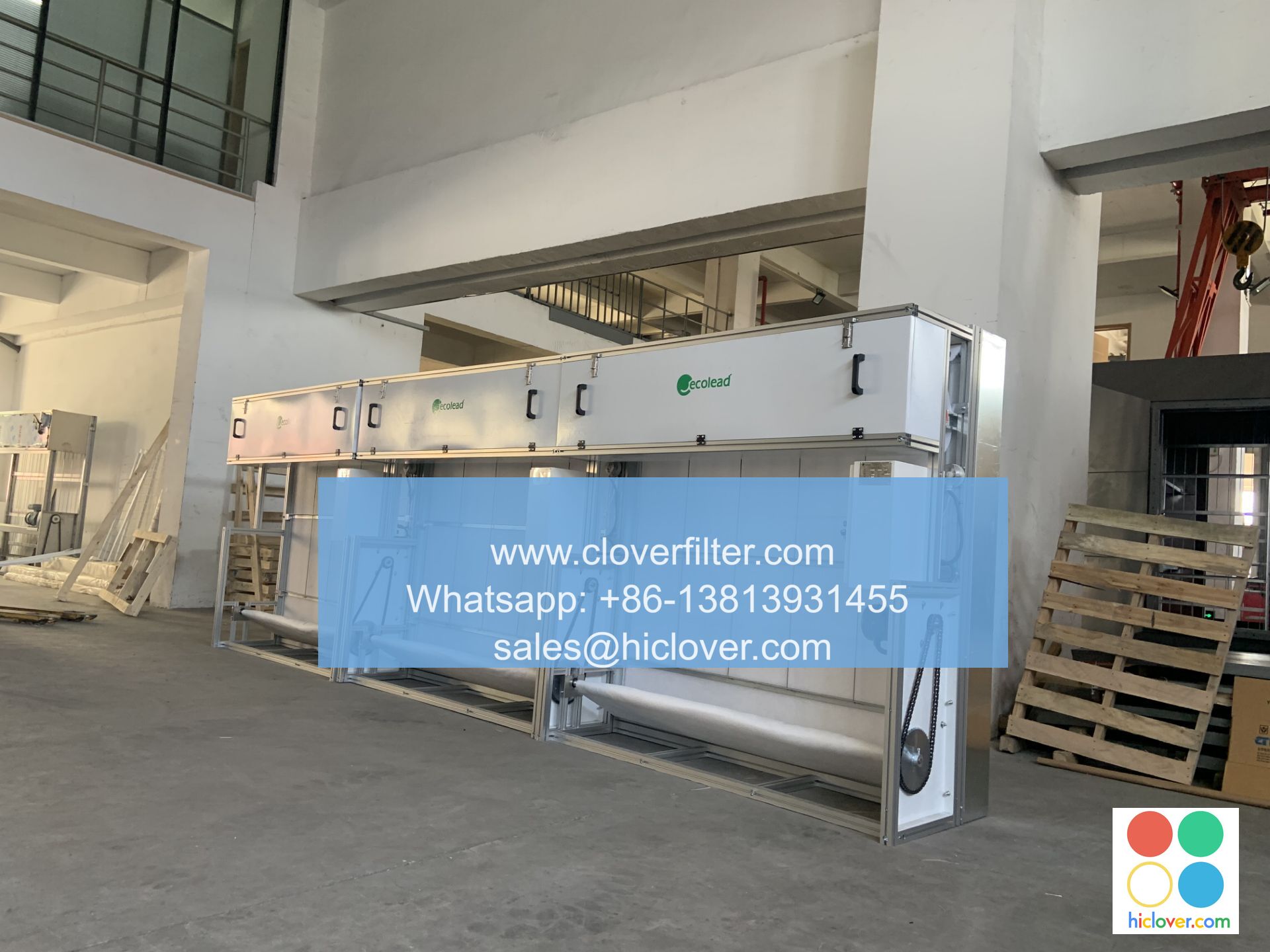
Ventilation systems play a crucial role in meat processing environments, where air quality is a significant concern. One effective solution to maintain not only efficiency but also sanitation is the use of roll air filters. These systems are designed to capture airborne contaminants, ensuring a safer and cleaner atmosphere for meat processing operations. In this article, we delve into the mechanics of roll air filters and highlight their various application areas.

What Are Roll Air Filters?
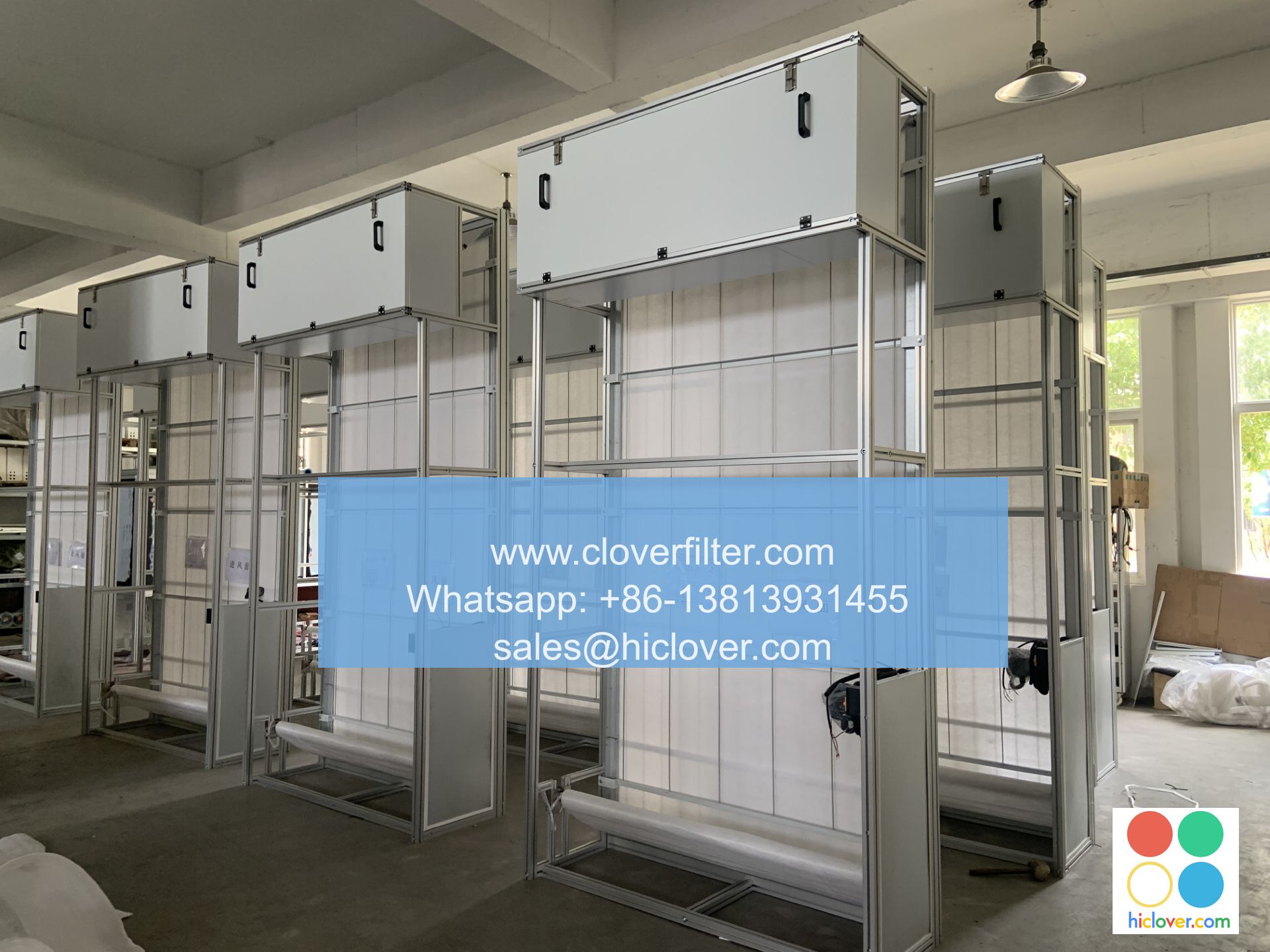
Roll air filters are a type of filtration system that utilizes a rolling mechanism to replace dirty air filters without interrupting the airflow. This design is highly beneficial for meat processing facilities, where the rapid change of air filters can help in eliminating contaminants such as bacteria, dust, and airborne particles.
The Mechanics Behind Roll Air Filters
The functionality of roll air filters revolves around several key components:
- Filtration Media: The heart of the roll air filter consists of advanced filtration media capable of capturing a wide range of particulates.
- Roll Mechanism: The rolling mechanism allows for the easy replacement of filter sections. As one segment becomes saturated, it is automatically rolled away and replaced with a new section.
- Airflow Design: Properly engineered airflow paths ensure minimal resistance and optimal air movement, essential for maintaining air quality in meat processing facilities.
- Improved Hygiene: By continuously removing contaminants, these filters help reduce the risk of foodborne illnesses.
- Reduced Maintenance: The roll system minimizes the need for frequent manual filter changes, leading to lower maintenance costs.
- Enhanced Air Quality: The efficiency of roll air filters contributes significantly to maintaining a comfortable and safe environment for workers.
- Cost-Effectiveness: While the initial investment may be higher, the long-term savings on maintenance and improved efficiency can offset the costs.
- Slaughterhouses: Ensuring a clean air supply during the slaughtering process, reducing contamination risk.
- Processing Plants: Maintaining air quality in areas where meat is ground, prepared, or packaged.
- Cold Storage Facilities: Protecting stored products from airborne contaminants that could affect quality and safety.
- Transportation Vehicles: Providing effective air filtration during the transportation of meat products to prevent spoilage.
Benefits of Roll Air Filters in Meat Processing
Implementing roll air filters in meat processing environments provides numerous advantages:
Application Areas
Roll air filters are versatile and can be integrated into various aspects of meat processing ventilation systems, including:
Conclusion
As the meat processing industry continues to evolve, the importance of effective ventilation systems cannot be overstated. Roll air filters offer a practical and efficient solution to maintain air quality, ensuring compliance with health standards and improving operational efficiency. By investing in these filtering systems, meat processing facilities can not only enhance their hygiene standards but also protect their products and workforce, contributing to a healthier meat supply chain.
It seems like you haven’t provided a specific prompt. How can I assist you today? If you have a topic, question, or creative idea in mind, please share it!
