Understanding the Mechanics of Self-Advancing Filters in Uplink Environments

In the rapidly evolving landscape of wireless communications, the demand for efficient signal processing techniques has never been higher. One notable advancement in this arena is the development of self-advancing filters. These filters are particularly pivotal in uplink environments, where they significantly enhance the quality of transmitted signals. This article will delve into the mechanics of self-advancing filters, exploring their functionality, advantages, and application areas.
What Are Self-Advancing Filters?

Self-advancing filters are adaptive signal processing tools that automatically adjust their parameters in real-time to optimize signal quality. They use algorithms that respond to changes in the signal environment, ensuring that the filter remains effective even as conditions vary. This adaptability is crucial in uplink environments, where mobile devices frequently experience fluctuating signal conditions due to obstacles, interference, and user mobility.
The Mechanics of Self-Advancing Filters
Self-advancing filters operate on a few fundamental principles:
-
Adaptive Algorithms: These filters employ algorithms such as Least Mean Squares (LMS) or Recursive Least Squares (RLS) to minimize error in signal reception and improve fidelity.
-
Real-Time Adjustment: By continuously monitoring signal quality metrics, self-advancing filters can modify their coefficients, adapting to new environmental conditions almost instantaneously.
-
Feedback Loop: Self-advancing filters utilize a feedback mechanism that processes output signals and adjusts filtering parameters based on observed performance. This enables them to learn from prior experiences and improve over time.
-
Improved Signal Quality: By dynamically adjusting to fluctuating conditions, these filters can significantly reduce noise and interference.
-
Increased Data Rates: Enhancing signal quality allows for higher data throughput, critical for applications requiring real-time communication.
-
Robustness to Interference: Adaptive filtering helps maintain performance even in environments with significant electromagnetic interference or multipath propagation.
-
Fantasy: “In a world where dreams shape reality, a young boy discovers he has the ability to manipulate dreams. How does this power change his life and the lives of those around him?”
-
Science Fiction: “In a future where humans have colonized other planets, a group of explorers stumbles upon a seemingly abandoned civilization. What secrets do they uncover, and how does it change their understanding of humanity?”
-
Mystery: “During a routine job, a locksmith finds a series of hidden compartments in an old building, each containing clues to a decades-old disappearance. What do they uncover, and how does it connect to their own life?”
-
Romance: “Two people meet at an annual festival, only to realize that they share a deeply intertwined past that neither was aware of. How does this revelation affect their budding relationship?”
-
Personal Growth: “Write about a character who, after receiving unexpected news, decides to embark on a journey to reconnect with their long-lost passion. What challenges do they face, and what do they learn about themselves?”
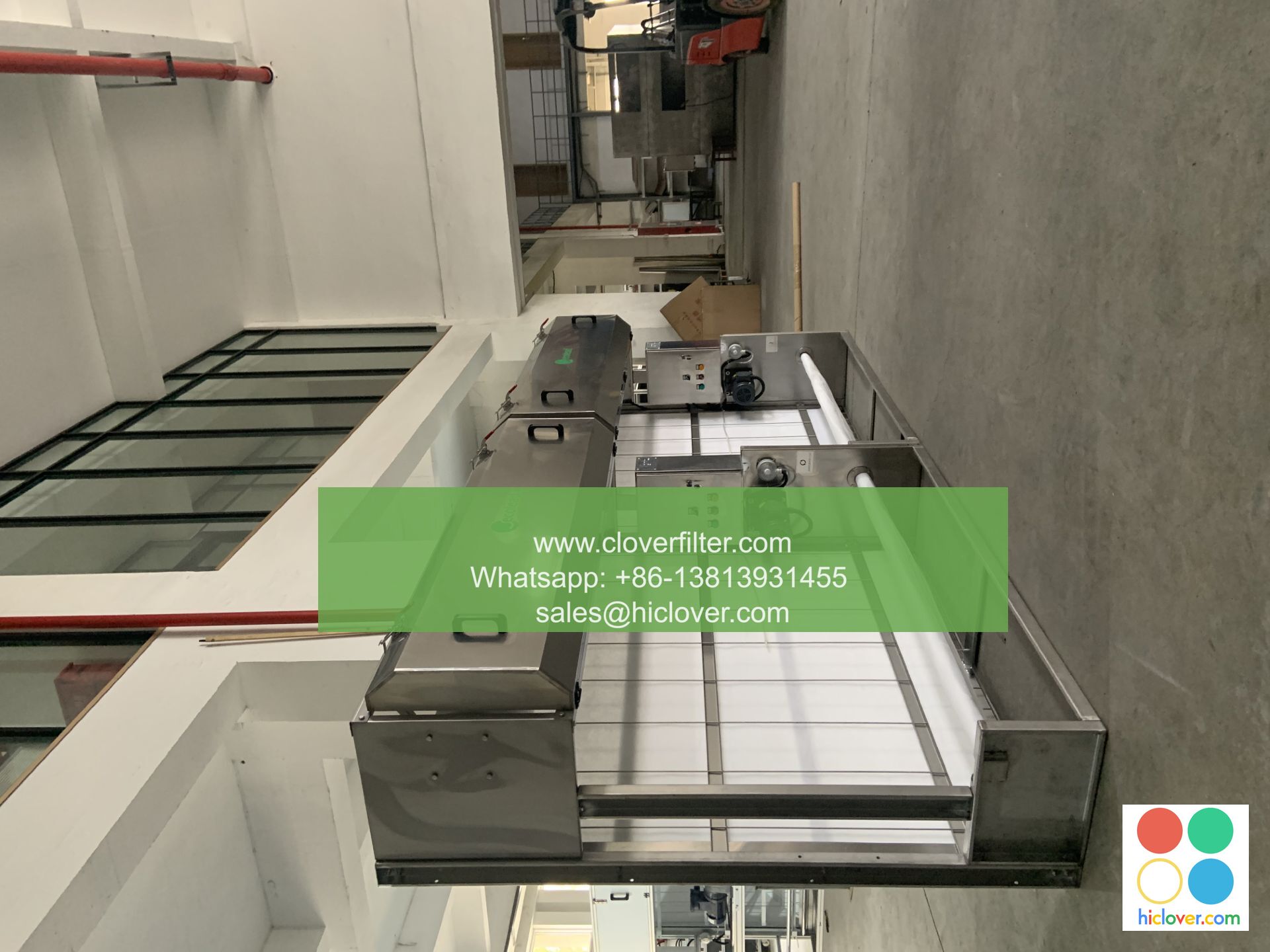
Advantages of Self-Advancing Filters
Self-advancing filters offer several distinct advantages in uplink environments:
Application Areas
Self-advancing filters find applications across various domains within uplink environments, including:
1. Mobile Communications
In mobile networks, self-advancing filters can enhance the performance of smartphones, tablets, and IoT devices during data transmission. By ensuring that signals remain clear and strong, they facilitate seamless communication, even in crowded urban areas where interference is prevalent.
2. Satellite Communication
For satellite uplinks, these filters can improve signal integrity over long distances, where signal degradation is common. They allow for clearer transmissions and better overall performance in satellite-based applications.
3. Wireless Sensor Networks (WSNs)
In environments where multiple sensors operate concurrently, self-advancing filters can help in distinguishing between signal interference and legitimate data. This is crucial for maintaining the accuracy of sensor readings in industrial automation and environmental monitoring.
4. Aerospace and Defense
Self-advancing filters are vital in aerospace communications, providing robust solutions for pilot communication and data transmission during flight. Their ability to adapt to quickly changing environments enhances reliability in critical defense applications.
5. Broadcasting
In the broadcasting industry, where signal quality can greatly influence audience experience, self-advancing filters ensure that TV and radio signals remain clear, even in challenging reception areas.
Conclusion
Self-advancing filters represent a leap forward in signal processing for uplink environments. Their ability to automatically adjust in real-time not only improves signal quality but also significantly enhances communication efficiency across various applications. As technology continues to advance, leveraging the capabilities of these innovative filters will be key to addressing the challenges of modern wireless communication systems. By understanding their mechanics and applications, stakeholders in the industry can better harness their potential to drive future developments in the field.
It seems like you might be looking for a creative prompt or a topic to explore. Here are a few suggestions based on different themes:
Feel free to choose one, modify it, or let me know if you have a specific theme or genre in mind!
