Understanding the Mechanisms of Automatic Media Roll Filters in Offshore Applications
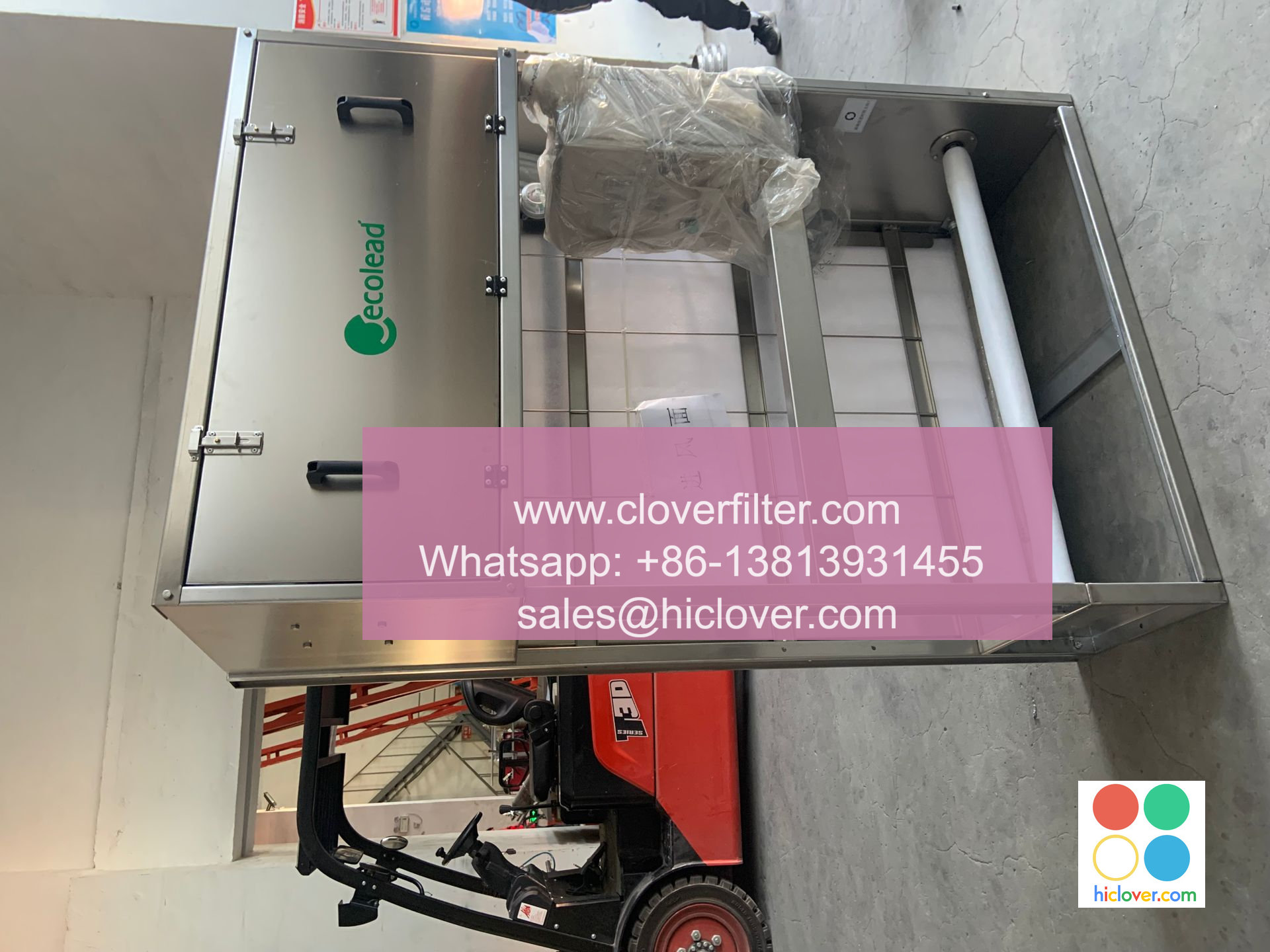
In recent years, the offshore industry has witnessed remarkable advancements in technology and innovation. One such innovation is the introduction of automatic media roll filters, which play a crucial role in the efficient operation of various offshore applications. This article aims to explore the mechanisms behind these filters and their application areas, highlighting their significance in maintaining operational efficiency and environmental sustainability.
What are Automatic Media Roll Filters?

Automatic media roll filters are sophisticated filtration systems designed to separate solid particles and contaminants from fluids in offshore environments. The design typically consists of a continuous roll of filter media that moves through a series of operational stages, enabling the automatic cleaning and replacement of the filter without extensive manual intervention.
Key Mechanisms of Operation
-
Filtration Media
The core of the automatic media roll filter is its filtration media, which is generally made from high-quality synthetic or natural materials. These media materials are chosen for their ability to trap a wide range of particle sizes while allowing fluid to pass through. -
Roll Movement
The filter media is wound around a spindle and is continuously advanced during the filtration process. As contaminated fluid passes through the filter, the roll advances, presenting a fresh section of filter media to the fluid, ensuring uninterrupted filtration. -
Automatic Backwashing
One of the standout features of these filters is their self-cleaning capability. Once a predetermined level of contamination is reached, the filter engages an automatic backwash mechanism to clean the media, removing accumulated particles and restoring optimal filtration performance. -
Sensor Technology
Modern automatic media roll filters are often equipped with advanced sensor technology. These sensors monitor various parameters, such as pressure differentials and flow rates, to optimize performance and ensure timely maintenance actions.

Application Areas of Automatic Media Roll Filters
Automatic media roll filters find application in various offshore industries where fluid clarity and contamination control are critical. Below are some prominent application areas:
1. Oil and Gas Industry
In the offshore oil and gas sector, maintaining the cleanliness of drilling fluids, process waters, and produced waters is vital. Automatic media roll filters help in removing solids, drilling cuttings, and other contaminants, enhancing equipment efficiency and reducing downtime.
2. Marine and Shipbuilding
In marine applications, these filters are employed for ballast water treatment, ensuring compliance with environmental regulations. They effectively manage the quality of water used in ship systems, contributing to improved operational safety and environmental protection.
3. Power Generation
Offshore power generation plants rely on clean water for cooling and other operational processes. Automatic media roll filters help in purifying seawater intake and cooling water, eliminating the risk of contamination and enhancing plant reliability.
4. Aquaculture and Fisheries
In aquaculture farms, maintaining water quality is crucial for fish health and growth. Automatic media roll filters play an essential role in keeping the water clean, thus promoting sustainability in offshore farming operations.
Environmental Implications
The benefits of deploying automatic media roll filters extend beyond operational efficiency. These systems contribute significantly to minimizing environmental impacts by:
- Reducing Discharge Pollution: By effectively removing contaminants, these filters help in ensuring that discharges from offshore operations meet regulatory standards.
- Promoting Resource Conservation: Efficient filtration systems lead to reduced water consumption, contributing to overall resource conservation in offshore processes.
- Complying with Regulations: Many offshore industries face stringent environmental regulations. Automatic media roll filters help maintain compliance with these standards, avoiding potential fines and enhancing corporate responsibility.
Conclusion
In summary, automatic media roll filters represent a pivotal advancement in offshore filtration technology. By understanding their mechanisms and diverse application areas, stakeholders in the industry can leverage these systems to enhance operational efficiency, comply with environmental regulations, and promote sustainable practices. As the offshore landscape continues to evolve, the role of these advanced filters will undoubtedly grow, reinforcing their importance in the quest for cleaner and more efficient offshore operations.
Of course! What type of prompt are you looking for? It could be creative, writing, brainstorming, or something else entirely. Let me know how I can help!
