Understanding the Role of Automatic Ventilation in Battery Storage Systems

The rapid advancement of technology has led to increased demand for efficient battery storage systems. These systems are critical in enhancing energy resilience, especially with the growing reliance on renewable energy sources. However, as battery technologies evolve, so does the necessity for effective management systems, one of which is automatic ventilation.
The Importance of Battery Storage Systems
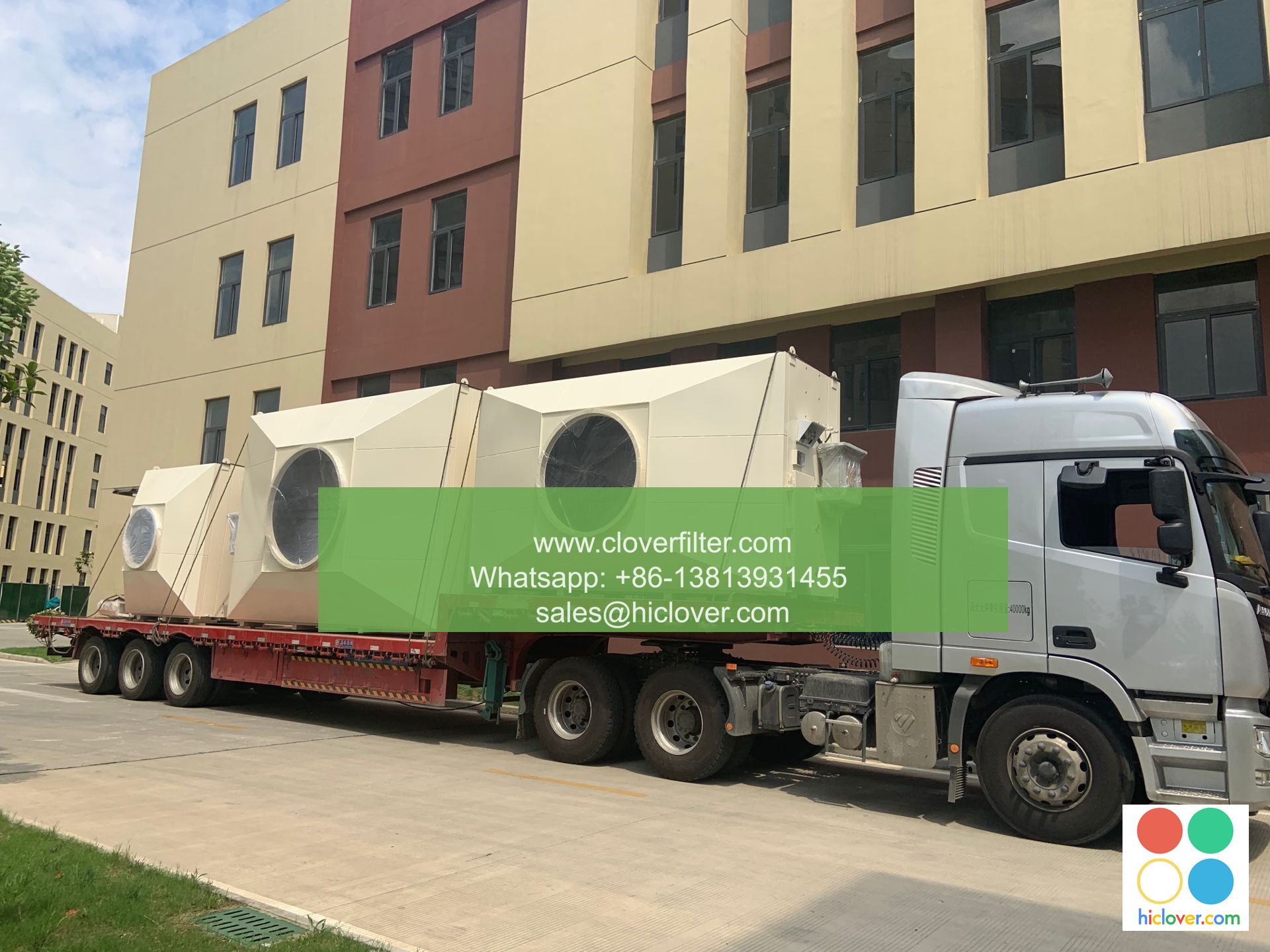
Battery storage systems play a pivotal role in the energy landscape by:
- Storing excess energy generated from renewable sources like solar and wind.
- Providing backup power during outages.
- Enhancing grid stability and efficiency.
With this increasing reliance on battery systems, safety, and performance are paramount. This is where automatic ventilation comes into play.

What is Automatic Ventilation?
Automatic ventilation refers to the systems designed to regulate airflow in environments housing battery storage solutions. It ensures proper air circulation and temperature control, which are critical for the longevity and safety of battery systems.
Why Automatic Ventilation is Essential in Battery Storage
1. Temperature Control
Batteries operate optimally within specific temperature ranges. Automatic ventilation systems ensure that excessive heat generated during charging and discharging processes is effectively dissipated. Overheating can lead to reduced performance and significantly shorten battery life.
2. Safety Measures
Battery systems, particularly those utilizing lithium-ion technology, carry the risk of thermal runaway. Automatic ventilation systems mitigate this risk by ensuring that harmful gases, such as hydrogen, are vented out and diluted promptly, thus reducing the chances of fire or explosion.
3. Enhanced Efficiency
By maintaining optimal temperature and air quality, automatic ventilation can improve the efficiency of battery systems. Enhanced performance means better energy storage and discharge capabilities, leading to more effective energy management.
Applications of Automatic Ventilation in Battery Storage
1. Renewable Energy Integration
As the world turns towards renewable energy sources, the need for reliable battery storage systems grows. Facilities integrating solar panels and wind turbines often rely on automatic ventilation solutions to ensure their energy storage systems operate efficiently and safely.
2. Electric Vehicle (EV) Charging Stations
As electric vehicles proliferate, deploying efficient battery charging stations becomes critical. Automatic ventilation systems ensure that battery systems in these stations remain cool and safe during high-speed charging scenarios.
3. Utility Scale Energy Storage
Utilities often implement large-scale battery storage systems to manage grid demand. Automatic ventilation can be crucial in environments like these, where extensive battery banks generate substantial heat and require continuous monitoring to maintain safety standards.
4. Commercial and Industrial Applications
Many businesses are opting for battery backup systems for uninterrupted operations. Automatic ventilation can protect these investments from potential failures caused by overheating, thereby ensuring operational continuity.
Conclusion
In summary, the implementation of automatic ventilation in battery storage systems is not just a precautionary measure, but a crucial element in enhancing safety, efficiency, and longevity. As reliance on battery technologies continues to grow across various industries, understanding the significance of these ventilation systems will be vital for anyone involved in energy management and innovation.
It seems like your message was cut off. Could you please provide more details or specify what kind of prompt you’re looking for? Whether it’s creative writing, a specific topic, or something else, I’m here to help!
