Understanding the Technology Behind Automatic Roll Air Filters: A Game Changer for Nairobi Hospitals
A Game Changer for Nairobi Hospitals

Introduction
In the wake of growing health concerns in urban areas, Nairobi hospitals are increasingly focusing on improving air quality. One innovative solution that has emerged is the automatic roll air filter technology. This revolutionary system not only enhances air filtration efficiency but also contributes to better patient outcomes and healthier environments.
What Are Automatic Roll Air Filters?
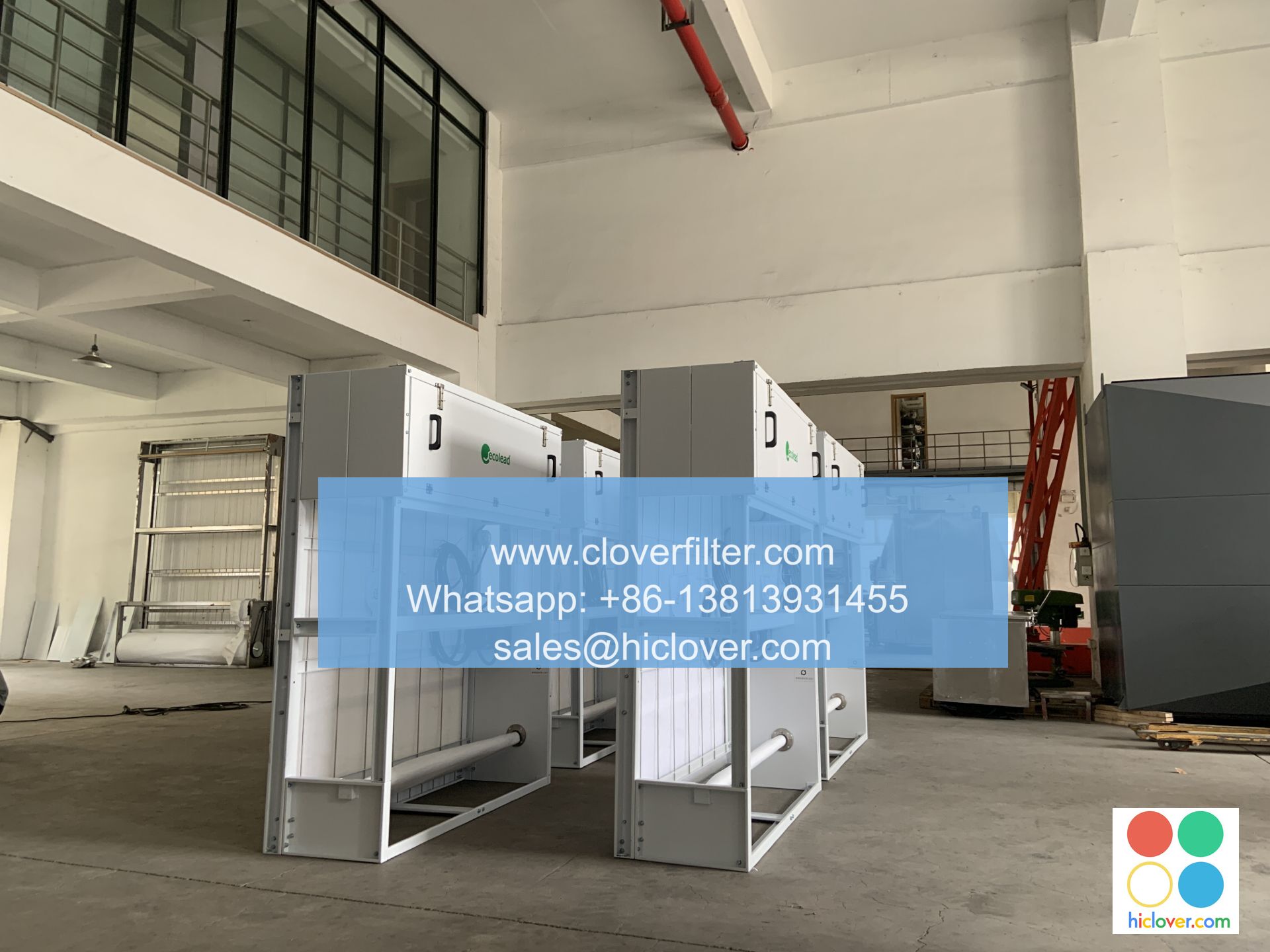
Automatic roll air filters are advanced air filtration systems designed to continuously deliver clean air while automatically managing the replacement of filter media. This technology operates on a simple yet effective mechanism, where a roll of filter material is fed through the air handling system, ensuring particles and contaminants are captured efficiently.

The Technology Behind Automatic Roll Air Filters
The key to the effectiveness of automatic roll air filters lies in their design and operational features, including:
- Automatic Filtration System: These systems utilize sensors to detect filter saturation levels, ensuring proactive replacement before performance declines.
- High-Performance Filter Material: Made from advanced materials that capture particles as small as 0.3 microns, these filters offer superior air quality.
- Energy Efficiency: By optimizing airflow and reducing resistance, automatic roll air filters can lower energy consumption in HVAC systems.
- Minimal Downtime: The automated nature of the filter replacement process minimizes disruption to hospital operations, guaranteeing continuous airflow.
Applications in Nairobi Hospitals
Automatic roll air filters have numerous applications in Nairobi hospitals, making them an essential addition to modern health care infrastructure. Key application areas include:
- Operating Theaters: Maintaining sterile air conditions is crucial. These filters help eliminate airborne pathogens, ensuring a safer environment for surgical procedures.
- Intensive Care Units (ICU): ICU rooms require stringent air quality standards to protect vulnerable patients. Automatic roll air filters provide consistent filtration to meet these standards.
- Patient Wards: Ensuring that patient areas are free from allergens and pollutants can significantly enhance recovery rates.
- Emergency Rooms: The fast-paced environment of emergency rooms demands reliable air quality control. These filters can adapt quickly to varying patient volumes and conditions.
The Impact of Improved Air Quality
Implementing automatic roll air filters has far-reaching effects on patient health and hospital efficiency. Improved air quality can lead to:
- Reduced Infection Rates: By filtering harmful microorganisms, hospitals can lower the risk of nosocomial infections.
- Enhanced Patient Comfort: Cleaner air can reduce respiratory issues and allergies, leading to a more pleasant stay for patients.
- Operational Efficiency: With less need for manual filter changes and reduced equipment strain, hospitals can operate more smoothly.
Conclusion
Automatic roll air filters represent a significant advancement in air filtration technology within Nairobi hospitals. By providing high-efficiency air purification and minimizing disruption, these systems are poised to enhance healthcare outcomes and improve patient environments across the region. As awareness and implementation of this technology grow, it could very well set a new standard in medical air quality management, ultimately improving the health of entire communities.
It seems like you may have intended to provide more information or a specific prompt. Please clarify or specify what you would like assistance with, and I’ll be happy to help!
