Understanding the Technology Behind Automatic Roll Air Filters for Oil and Gas Equipment
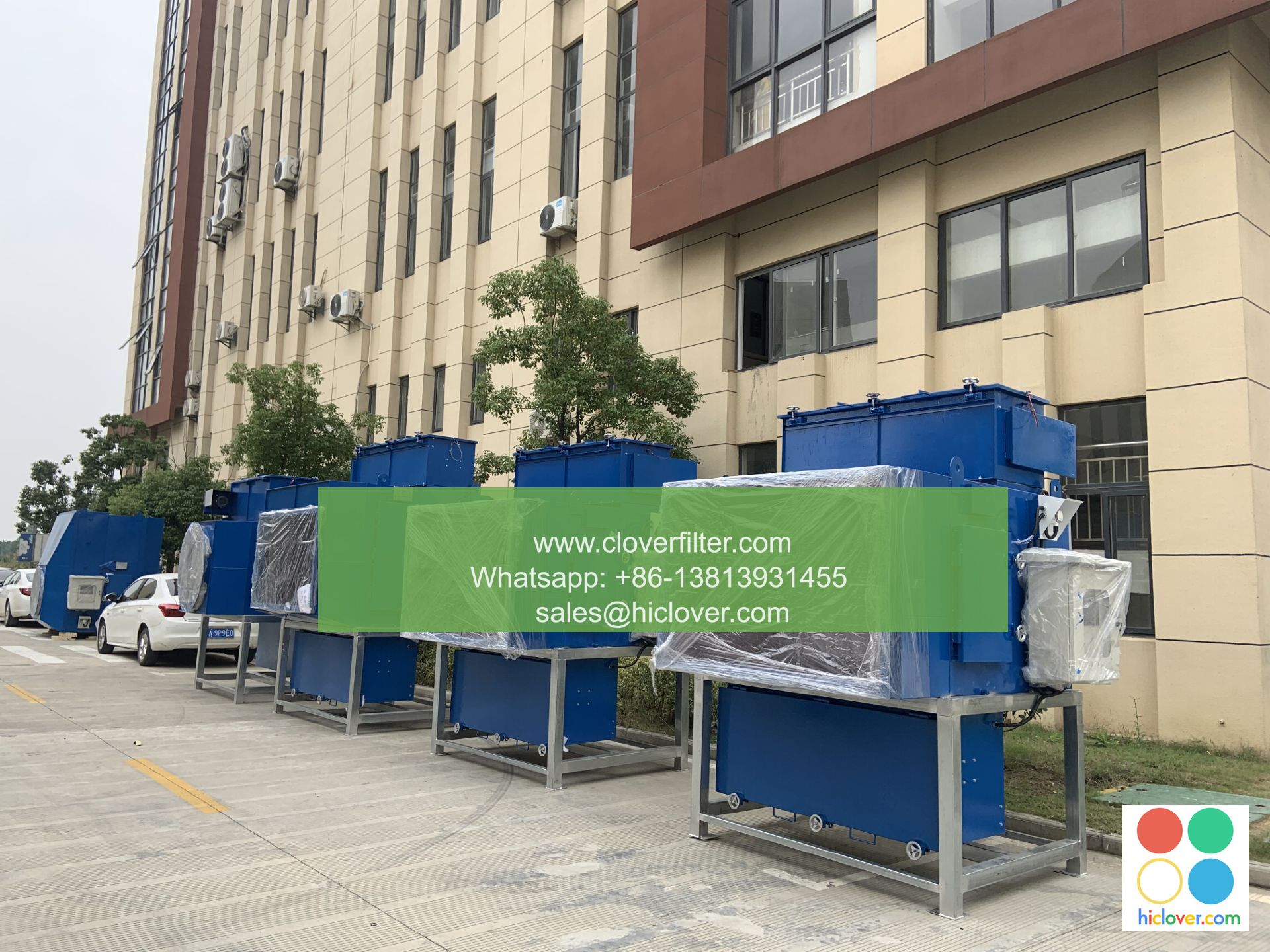
The oil and gas industry is a significant sector that relies heavily on efficient and reliable equipment to ensure smooth operations. One crucial aspect of maintaining this equipment is the use of air filters, which help remove contaminants and pollutants from the air. Traditional air filters have been widely used, but they have limitations, such as reduced airflow and increased pressure drop, which can lead to decreased equipment performance. To address these issues, automatic roll air filters have been developed, offering a more efficient and effective solution for oil and gas equipment.
Automatic roll air filters use a unique technology that allows for continuous airflow while removing contaminants from the air. These filters consist of a roll of filter media that unwinds as the air passes through, replacing the dirty filter section with a clean one. This process eliminates the need for manual filter replacements, reducing maintenance costs and downtime. The technology behind automatic roll air filters is based on a simple yet effective principle. As the air enters the filter, it passes through a series of layers, each designed to capture specific types of contaminants.

The first layer typically consists of a coarse mesh that captures larger particles, such as dust and debris. The next layer is usually a finer mesh that removes smaller particles, including pollen and other airborne pollutants. Finally, the innermost layer is often a high-efficiency filter that captures even the smallest particles, including oil droplets and other contaminants. The filter media is designed to be self-cleaning, with the dirty section being automatically wound onto a disposal spool as the clean section unwinds. This process ensures that the filter remains effective and efficient, even in harsh environments.
One of the primary advantages of automatic roll air filters is their ability to maintain consistent airflow rates, even as the filter becomes dirty. Traditional air filters can experience a significant decrease in airflow as they become clogged with contaminants, leading to reduced equipment performance. In contrast, automatic roll air filters can maintain consistent airflow rates, ensuring that equipment continues to operate at optimal levels. Additionally, these filters can be designed to handle high volumes of air, making them suitable for large-scale oil and gas operations.
Another benefit of automatic roll air filters is their reduced maintenance requirements. Traditional air filters require regular replacement, which can be time-consuming and labor-intensive. In contrast, automatic roll air filters can operate for extended periods without requiring manual intervention. This reduces maintenance costs and downtime, allowing oil and gas equipment to operate continuously. Furthermore, automatic roll air filters can be designed with safety features, such as automatic shut-off valves, to prevent equipment damage in the event of a filter failure.
In addition to their technical advantages, automatic roll air filters also offer environmental benefits. By removing contaminants and pollutants from the air, these filters can help reduce emissions and minimize the environmental impact of oil and gas operations. This is particularly important in sensitive ecosystems, where the release of pollutants can have devastating consequences. By using automatic roll air filters, oil and gas companies can demonstrate their commitment to environmental responsibility and sustainability.

As the oil and gas industry continues to evolve, the demand for efficient and reliable equipment will only increase. Automatic roll air filters are well-positioned to meet this demand, offering a reliable and effective solution for maintaining equipment performance. With their ability to maintain consistent airflow rates, reduce maintenance requirements, and minimize environmental impact, these filters are an essential component of modern oil and gas operations.
In conclusion, automatic roll air filters are a vital technology for the oil and gas industry, offering a range of benefits that can improve equipment performance, reduce maintenance costs, and minimize environmental impact. By understanding the technology behind these filters, oil and gas companies can make informed decisions about their use and ensure that their equipment operates at optimal levels.
FAQs
An automatic roll air filter is a type of air filter that uses a roll of filter media to remove contaminants from the air. As the air passes through the filter, the dirty section of the filter media is automatically wound onto a disposal spool, replacing it with a clean section.
The benefits of using automatic roll air filters include consistent airflow rates, reduced maintenance requirements, and minimized environmental impact. These filters can also help reduce emissions and prevent equipment damage.
Automatic roll air filters offer several advantages over traditional air filters, including consistent airflow rates, reduced maintenance requirements, and improved environmental performance. They are also designed to handle high volumes of air, making them suitable for large-scale oil and gas operations.
Yes, automatic roll air filters can be customized to meet specific oil and gas industry requirements. They can be designed with safety features, such as automatic shut-off valves, and can be configured to handle unique operating conditions.
The typical lifespan of an automatic roll air filter depends on various factors, including the type of filter media, operating conditions, and maintenance requirements. However, these filters can operate for extended periods without requiring manual intervention, reducing maintenance costs and downtime.
