Understanding UV Light Air Filters: Frequently Asked Questions
Key Takeaways:
- An Automatic Roll Air Filter offers efficient particulate control and maintenance reduction.
- Designed for various environments, such as data centers, factories, and hospitals.
- Uses differential pressure and timer mode for optimal filter performance.
- Fits well in HVAC/AHU systems, especially for fresh air intake and make-up air.
- Compliance with industry standards like ISO 16890 and MERV enhances reliability.
-
Roll Media Advance Logic: Utilizing a continuous roll of filter media, this system can maintain effective filtration without needing frequent manual interventions.
-
Differential Pressure Trigger: The filter is equipped with sensors that monitor pressure differentials. Once the pressure exceeds a certain threshold, the system activates to replace the used portion of the filter media.
-
Timer Mode: Additionally, a timing mechanism can be set to advance the media on a pre-determined schedule, further enhancing maintenance efficiency.
-
Airflow Range: Determine the range of airflow needed for your systems to choose an appropriately sized filter.
-
Face Velocity: This is critical for optimal performance; ensure compatibility with your existing HVAC setup.
-
Media Width/Length: Assess the space available for filter installation, as the dimensions must align perfectly.
-
Frame Size: Select a frame that provides adequate support but does not restrict airflow.
-
Control Options: Evaluate the available control options, such as manual or automatic adjustments.
-
Power Supply: Ensure compatibility with the existing electrical systems to avoid surprises.
-
Installation Location: Decide whether the filter will be installed at the fresh air intake, return, or process points to maximize efficiency.
-
Ignoring Filter Specifications: Always match filter specifications with system requirements.
-
Delaying Maintenance: Replace filters regularly to prevent airflow restriction.
-
Overlooking Installation Location: Ensure the filter is positioned correctly for optimal air intake.
-
Using a Single Filter Type: Assess the environment; combining filters may enhance air quality.
-
Neglecting to Monitor Airflow: Use gauges to keep track of airflow changes and respond promptly.
-
Skipping Pressure Testing: Regularly test the pressure differential to ensure the filter is functioning efficiently.
-
Not Considering Control Options: Evaluate both manual and automated systems for better operational efficiency.

What is an Automatic Roll Air Filter?
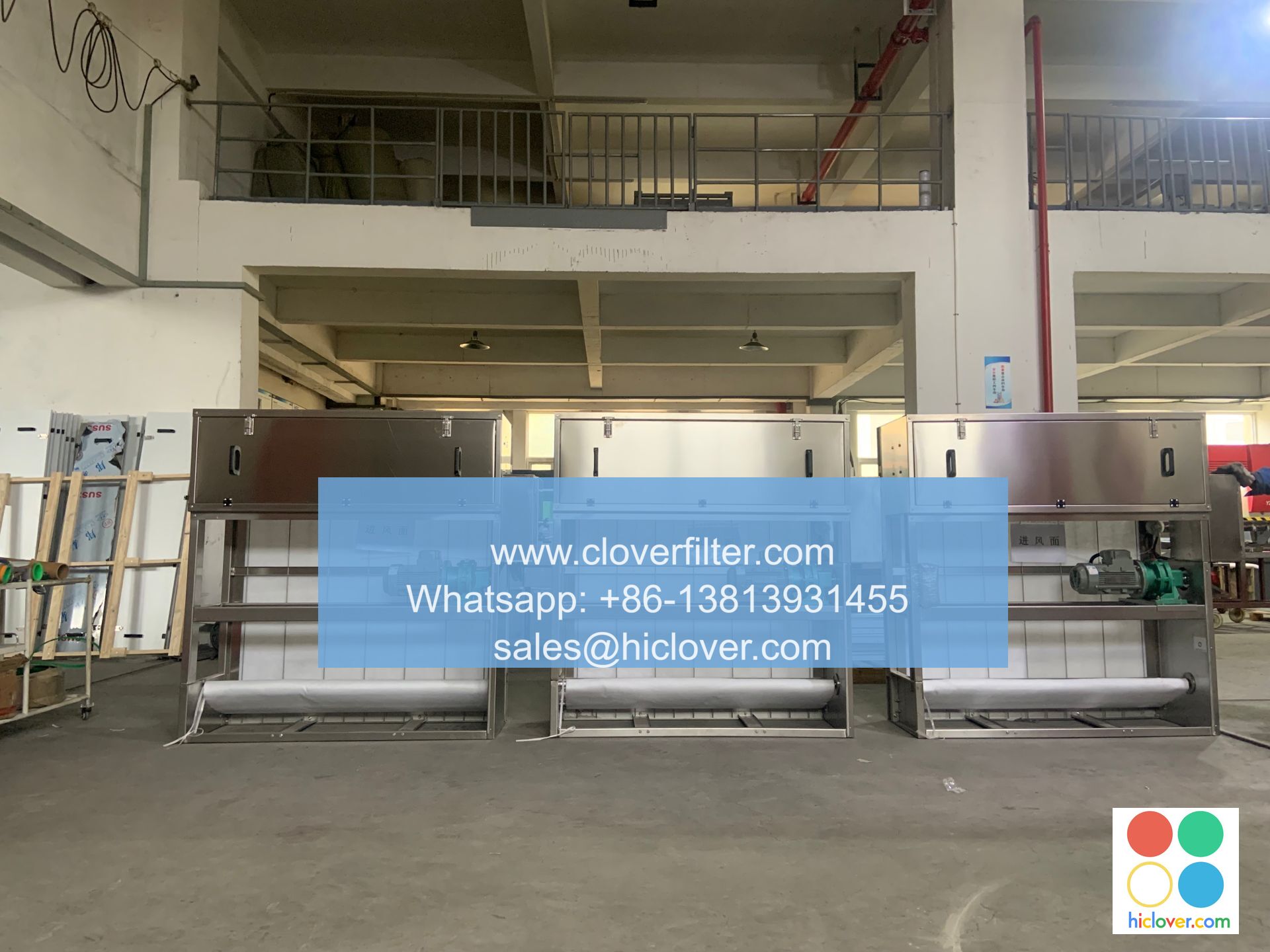
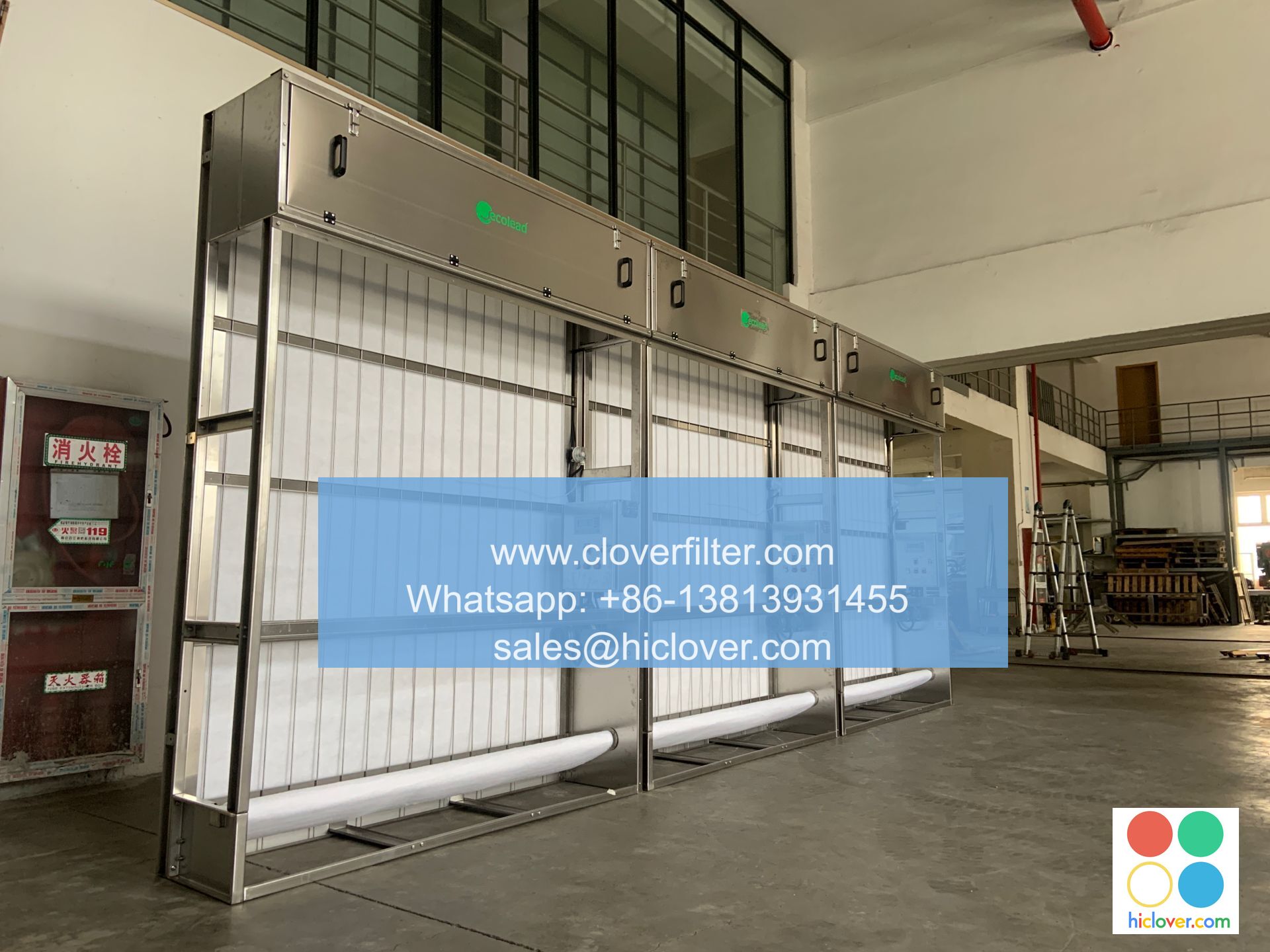
An Automatic Roll Air Filter is an innovative air filtration solution that utilizes a unique roll media advancement logic. This technology allows the filter to efficiently capture particulate matter over extended periods with minimal maintenance. When particulate accumulation reaches a predetermined differential pressure, the roll media automatically advances, ensuring a constant airflow rate. This system is designed for integration within HVAC and air handling unit (AHU) systems, specifically at fresh air intake points and other strategic locations where air quality is critical.
How Does It Work?
The Automatic Roll Air Filter operates using a combination of advanced design features:
Practical Selection Guide for Air Filters
When selecting an air filter, various factors must be considered:
Comparison Table
| Filter Type | Best Use Case | Maintenance | Pressure Drop Behavior | Operating Cost | Typical Risk/Downside |
|---|---|---|---|---|---|
| Automatic Roll Air Filter | High particulate environments | Minimal, auto-replace roll media | Low pressure drop | Moderate | Initial cost |
| Bag Filter | General industrial use | Moderate, depends on size | Medium pressure drop | Moderate to high | Clogging risk |
| Panel Filter | Light-duty applications | High, requires frequent change | Moderate pressure drop | Low | Frequently replaced |
| V-bank Filter | Larger volumes with less dust | Variable, can be lower | High pressure drop | Moderate | Heavy initial cost |
Common Mistakes & How to Avoid Them
Real-World Scenarios
Data Center
In a large data center, an Automatic Roll Air Filter is utilized to maintain optimal airborne particulate levels. The filter minimizes disruption by efficiently changing the media based on real-time pressure readings.
Battery Factory
A lithium battery production plant employs roll filters to ensure clean air is supplied during manufacturing, reducing contamination risks that could lead to quality issues or safety hazards.
Paint Shop
In a paint booth, using Automatic Roll Air Filters improves air quality, essential for worker safety, while keeping maintenance low due to their automatic media advancement technology.
Textile/Steel/Cement Plant
Factories in the textile, steel, and cement industries successfully leverage the benefits of roll filters to ensure clean air, particularly where heavy particulate matter is prevalent, thereby enhancing productivity and employee health.
Air Filter FAQs
What is the advantage of an Automatic Roll Air Filter over standard filters?
Automatic Roll Air Filters offer reduced maintenance and improved filtration efficiency compared to traditional filters. Their roll media ensures minimal pressure drop and extended lifespan.
How can I tell when the filter needs changing?
Monitoring differential pressure can indicate when the filter requires a media replacement. When pressure exceeds predetermined thresholds, the system automatically advances the roll.
Can I use these filters in existing HVAC systems?
Yes, Automatic Roll Air Filters can be adapted for most HVAC systems, enhancing ventilation without significant retrofitting.
Are these filters cost-effective over time?
Yes, despite a potentially higher initial cost, the savings gained from reduced maintenance and extended filter life can make them more economical in the long run.
Do these filters meet industry standards?
While many Automatic Roll Air Filters are designed to align with general industry frameworks like ISO 16890 and MERV, specific certifications may be available on request.
What maintenance should I perform on my filters?
Regularly check differential pressure and visually inspect for any blockages or tears. Adopting a maintenance schedule can greatly enhance efficiency.
Where is the ideal installation location?
The ideal installation site for Automatic Roll Air Filters includes fresh air intakes and return ducts, ensuring optimal performance and air quality throughout the facility.
Can I expect energy savings?
Absolutely! Maintaining low pressure drops allows HVAC systems to operate more efficiently, contributing to overall energy savings.
What are the main benefits of using roll media?
Roll media provides consistent filtration over extended periods, reduces maintenance needs, and employs a design that enables effective particulate control.
How do I choose the right supplier for my needs?
Look for a reputable supplier like CloverFilter, which offers a variety of options and expertise in designing solutions tailored to specific industrial applications.
For more information on Automatic Roll Air Filters and to explore your options, visit CloverFilter.
Meta Description: Discover expert insights on UV Light Air Filters with answers to air filter FAQs, perfect for industrial facility managers and HVAC engineers.
For inquiries and personalized consultation, reach out to CloverFilter at Contact Us.
It seems you might be looking for a specific prompt or topic to discuss. Could you please clarify what you’d like assistance with? Whether it’s for writing, creativity, or another area, I’m here to help!
