Unique Air Filter Shapes: Benefits and Drawbacks
Key Takeaways:
- Air filter shapes impact filtration efficiency and maintenance.
- Automatic Roll Air Filters are ideal for high-traffic environments.
- Differential pressure triggers help optimize media use.
- Understanding airflow requirements is crucial for proper selection.
- Compliance standards such as ISO 16890 are important for assessing performance.
- Common mistakes in filter selection can be easily avoided.
- Airflow Range: Choose filters that can accommodate the expected airflow in your facility.
- Face Velocity: Determine the appropriate face velocity to optimize filtration efficiency.
- Media Width/Length: Select media dimensions based on the available space in the HVAC system.
- Frame Size: Ensure the frame fits your existing HVAC setup to avoid gaps that can lead to inefficiencies.
- Control Options: Look for automated features that reduce manual oversight.
- Power Supply: Verify compatibility with current power systems to ensure smooth operation.
- Installation Location: Identify whether the filter will be positioned at fresh air intake, return air systems, or specific processes.
- Ignoring Airflow Needs: Always assess what airflow your facility requires before selecting a filter shape.
- Neglecting Maintenance Schedules: Plan regular maintenance to keep filters operating efficiently.
- Underestimating Space Requirements: Ensure that the chosen filter can fit into your existing HVAC infrastructure.
- Overlooking Cost of Ownership: Consider not just purchase costs but also replacement and potential downtime.
- Choosing Based Solely on MERV Ratings: Assess other performance metrics and not just the MERV rating.
- Forgetting Humidity Levels: Some filters may not perform well under high humidity conditions.
- Skipping Compatibility Checks: Verify that the filter matches your system’s specifications.
- Failing to Consider Contaminants: Analyze the types of contaminants your air must be filtered from when selecting a filter.
- Assuming One Size Fits All: Different applications may require different filter designs even under similar conditions.
- Delaying Upgrades: Regularly review and upgrade filters to meet changing environmental or operational needs.
-
Data Center: In a data center, maintaining optimal air quality is crucial for equipment performance. The Automatic Roll Air Filter offers a balance of high airflow capacity and low maintenance frequency, making it an ideal choice for ensuring clean air intake.
-
Battery Factory: Lithium battery manufacturing requires stringent particulate control. The advanced media technology of the Automatic Roll Air Filter minimizes contaminants that could harm the production process, providing a stable environment for sensitive operations.
-
Paint Shop: For facilities where paint applications occur, effective filtration of volatile organic compounds (VOCs) and particulates is essential. Utilizing an Automatic Roll Air Filter not only enhances air quality but also aids in efficient paint application processes.
-
Textile/Steel/Cement Plant: In heavy industries, dust and particle control are necessities. The Automatic Roll Air Filter’s robust design accommodates high levels of air pollutants while maintaining efficient operation, aligning perfectly with the production demands of textile, steel, and cement plants.
- A1: The benefits include low maintenance, consistent air quality, and high airflow capability.
- A2: Filters are commonly evaluated based on MERV ratings and ISO 16890 performance metrics.
- A3: Yes, it can be integrated into most HVAC systems designed for high airflow demands.
- A4: Yes, different filter types have varying pressure drop profiles that can significantly impact energy usage.
- A5: Replacement frequency depends on application conditions, but the differential pressure system helps automate this process.
- A6: While we follow industry standards like ISO 16890, specific certifications must be verified directly.

Understanding Air Filter Shapes
Air filter shapes play a critical role in the effectiveness and efficiency of air filtration systems across various industries. These shapes, which include panels, bags, v-banks, and rolls, are designed to meet specific filtration needs based on factors like airflow, space constraints, and application requirements. Among these options, the Automatic Roll Air Filter stands out for its unique design and functionality.
What is an Automatic Roll Air Filter?
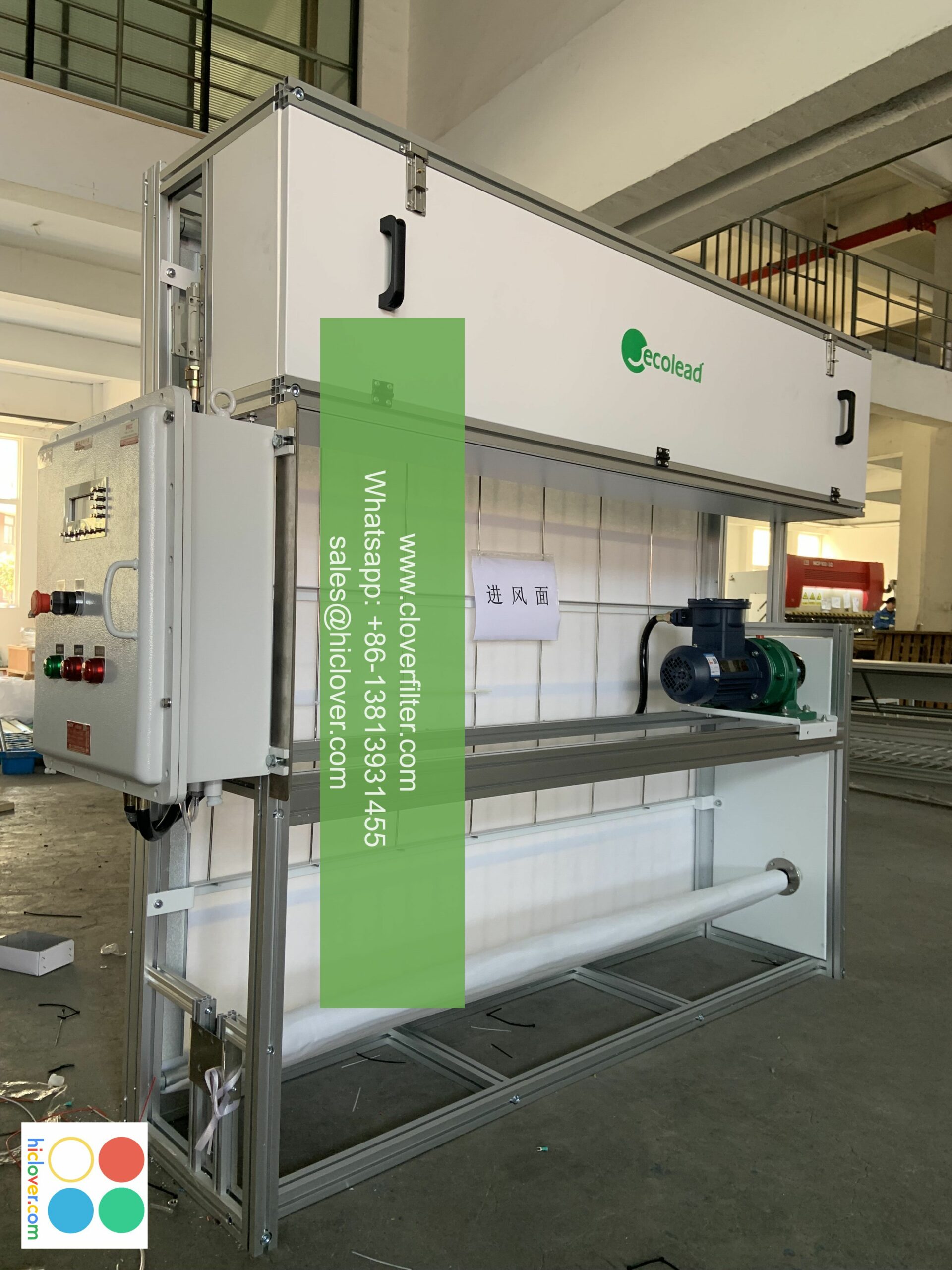
An Automatic Roll Air Filter is engineered to handle extensive airflow in HVAC systems with ease. It uses a roll media that continuously advances, ensuring a consistent filtration area is always available. The media is designed to capture particulates effectively, and the system employs a differential pressure trigger, activating a roll advancement when the filter reaches a certain pressure drop threshold. There are also timer modes available, enhancing efficiency by ensuring timely media replacement without constant manual checks.
This air filter fits seamlessly into HVAC units, particularly in cleanrooms, data centers, and large industrial facilities, where high air quality and low maintenance needs are paramount. You can learn more about the Automatic Roll Air Filter and its benefits at CloverFilter.
Practical Selection Guide for Air Filter Shapes
When selecting the right air filter, consider the following parameters:
Comparison of Air Filter Shapes
| Filter Type | Best Use Case | Maintenance | Pressure Drop Behavior | Operating Cost | Typical Risk/Downside |
|---|---|---|---|---|---|
| Automatic Roll Air Filter | High-volume, continuous airflow | Low | Predictable, controlled | Moderate | Initial setup complexity |
| Bag Filter | General industrial applications | Moderate to high | Variable | Lower | Clogging issues |
| Panel Filter | Residential to light commercial | Low to moderate | Low | Low | Limited filter lifespan |
| V-bank | Space-constrained environments | Moderate | Moderate | Higher | Higher installation cost |
This table highlights the strengths and weaknesses of various air filter shapes, reinforcing the importance of choosing the right option for your application. For a deeper dive into what makes the Automatic Roll Air Filter an excellent choice, check out CloverFilter.
Common Mistakes & How to Avoid Them
Real-World Scenarios
FAQ Section
Q1: What are the benefits of using an Automatic Roll Air Filter?
Q2: How is the performance of air filters measured?
Q3: Can the Automatic Roll Air Filter be used in all HVAC systems?
Q4: Is there a difference in energy consumption among filter shapes?
Q5: How often should filters be replaced?
Q6: Are there compliance requirements for air filters?
Conclusion
Understanding the benefits and drawbacks of various air filter shapes can significantly enhance the decision-making process for procurement managers and facility engineers. The Automatic Roll Air Filter from CloverFilter offers an innovative solution for ensuring clean air quality in demanding environments. To explore more about how CloverFilter products can meet your needs, visit CloverFilter and connect with our team.
Meta Description: Discover the benefits and drawbacks of different air filter shapes, including the advantages of the Automatic Roll Air Filter for efficient HVAC systems.
For further inquiries or support, feel free to reach out to CloverFilter at Contact Us.
It seems like you might want to provide a prompt for a specific topic or activity. Could you please specify what type of prompt you’re looking for? For example, are you interested in writing, art, brainstorming ideas, or something else entirely? Let me know how I can assist you!
