University of Alberta’s Experience with Automatic Roll Air Filters in Nanotechnology Research

Introduction
The University of Alberta has emerged as a leading institution in nanotechnology research, exploring innovative solutions that push the boundaries of science and engineering. Among these advancements is the integration of automatic roll air filters, which have proven beneficial in various application areas, including environmental monitoring, cleanroom maintenance, and medical device manufacturing. This article delves into the university’s experience with this cutting-edge technology and its impact on nanotechnology research.

What are Automatic Roll Air Filters?
Automatic roll air filters are sophisticated filtration systems designed to enhance air quality by efficiently capturing airborne particles and contaminants. These systems utilize a continuous roll of filter media that automatically advances when the filter reaches its saturation point. This automation minimizes manual intervention, ensuring that systems operate optimally while maintaining a consistent air quality standard necessary for nanotechnology applications.
Enhancing Cleanroom Environments
One of the primary applications of automatic roll air filters at the University of Alberta has been in cleanroom environments. In nanotechnology research, cleanrooms are critical for maintaining sterile conditions and preventing contamination of research materials, which often exist at the nanoscale. The automatic roll air filters provide:
- Consistent Air Quality: By continuously filtering out particulates, these systems ensure that researchers can work in environments free from contaminants that could compromise experimental integrity.
- Improved Efficiency: The automatic functionality allows for less downtime, enabling researchers to focus on their experiments rather than maintenance.
- Collect Samples: Airborne nanoparticles can be harmful. The filters allow researchers to gather environmental samples efficiently, enabling studies on pollution and the effects of nanoparticle exposure.
- Monitor Air Quality: By capturing particulates and contaminants, the filters aid in assessing air quality in and around laboratory spaces, informing both safety protocols and environmental strategies.
- Enhanced Sterility: Ensuring that air quality meets strict medical standards is essential for producing devices intended for human use. Filters help in maintaining the sterility required for manufacturing processes.
- Quality Assurance: By reducing the presence of harmful particulates, the filters assist in ensuring that the manufactured devices are free from potential contaminants, promoting patient safety and device efficacy.
- Smart Filtration Systems: Utilizing IoT technology to create smart filters that can monitor their own status and adjust filtering levels based on real-time air quality assessments.
- Enhanced Filtration Media: Researching materials that can capture even smaller particles, further improving air quality and safety in sensitive research environments.
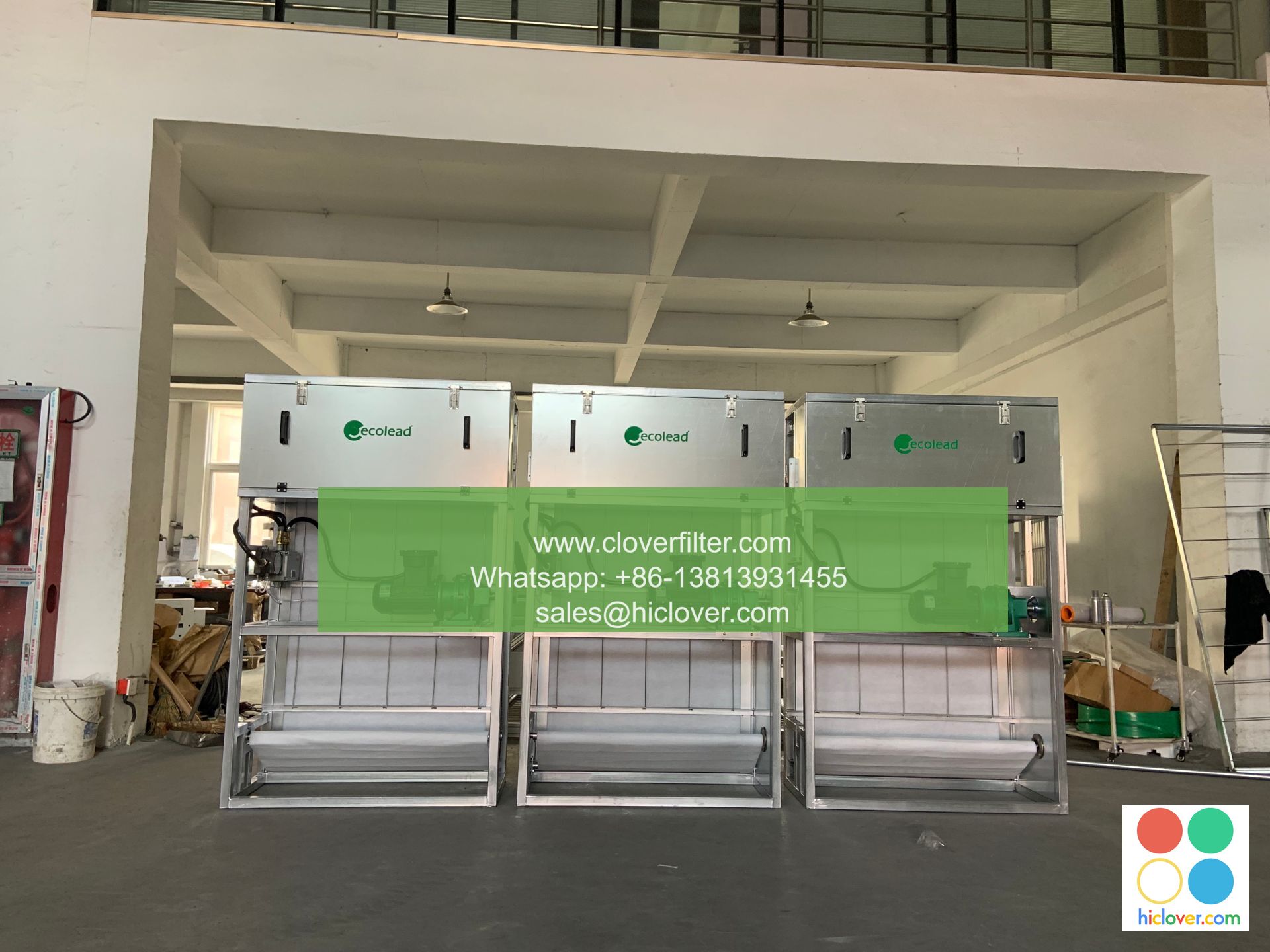
With these benefits, the university has bolstered its capability to undertake high-level nanotechnology research, from developing new materials to producing sophisticated devices.
Applications in Environmental Monitoring
Another crucial area where the University of Alberta has seen success with automatic roll air filters is in environmental monitoring. As nanotechnology applications grow, so does the need for monitoring the impact of nanomaterials on the environment. The filters are effectively used to:
Role in Medical Device Manufacturing
The intersection of nanotechnology and medicine continues to be a rich field for research at the University of Alberta, with automatic roll air filters playing a significant role. In medical device manufacturing, the need for clean and controlled environments is paramount. Key advantages include:
Future Prospects and Innovations
The University of Alberta continues to explore advancements in automatic roll air filters and their integration into nanotechnology research. Future innovations may include:
Conclusion
The University of Alberta’s experience with automatic roll air filters exemplifies how innovative technologies can significantly enhance the quality and efficacy of nanotechnology research. With applications spanning cleanroom environments, environmental monitoring, and medical device manufacturing, these filters have become indispensable tools in the university’s ongoing commitment to scientific excellence. As research continues to evolve, the synergy between air quality management and nanotechnology promises exciting developments that can benefit society and the environment.
For those interested in the intersection of air filtration and nanotechnology, the University of Alberta stands as a beacon of progress, demonstrating the profound impact of integrating advanced technologies into research frameworks.
