Unlocking the Power of Air Filter Data for Better Breathing
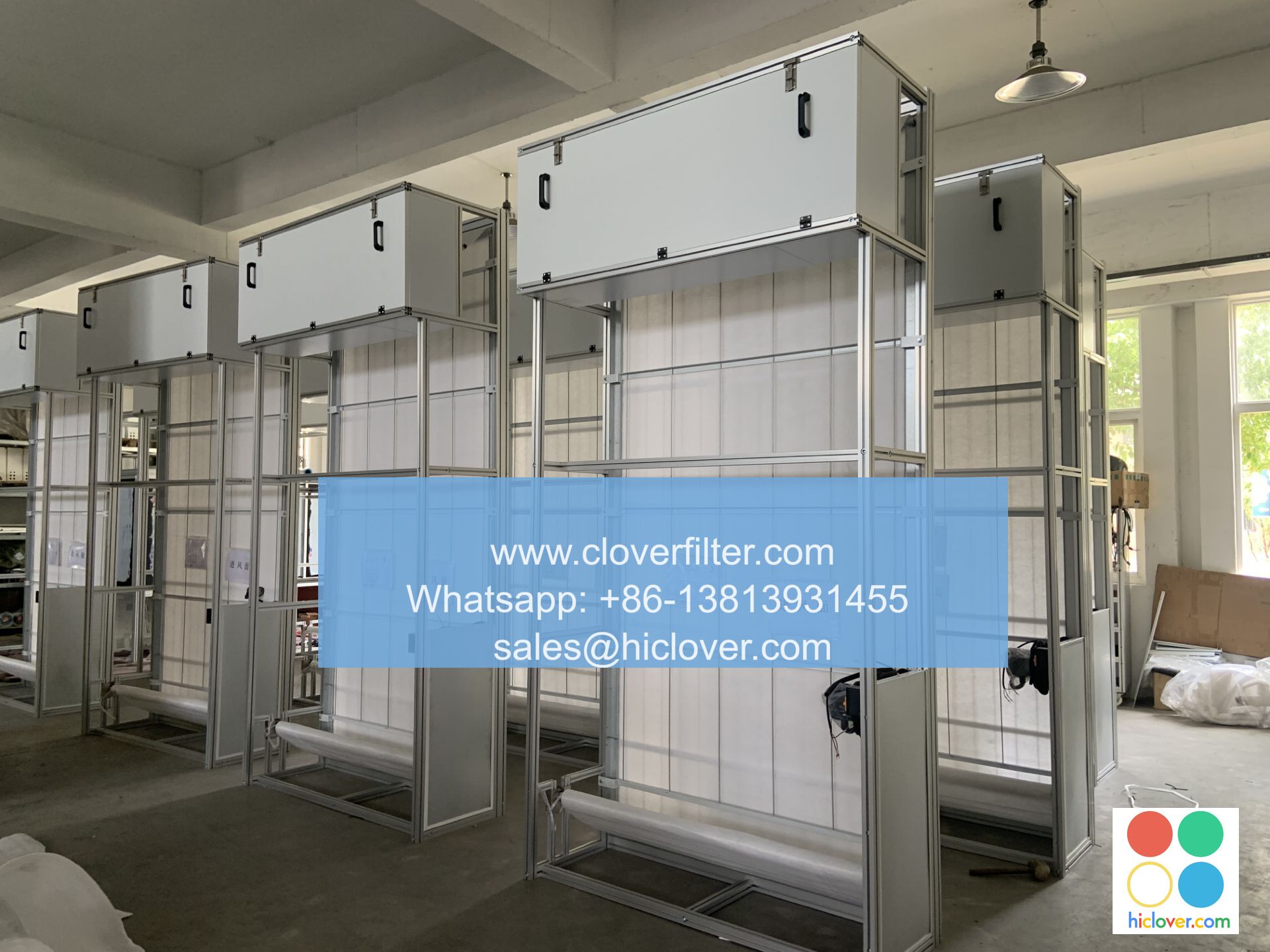
The quality of the air we breathe has a significant impact on our health and wellbeing. With the increasing awareness of indoor air pollution, air filters have become an essential component in maintaining a healthy environment. However, the data collected from air filters can be more than just a measure of their efficiency. In this article, we will explore the various application areas of air filter data and how it can be used to improve breathing and overall health.
##
Introduction to Air Filter Data
Air filter data refers to the information collected from air filters, including the type and amount of pollutants captured, filter efficiency, and airflow rates. This data can be used to monitor and control indoor air quality, identify potential health risks, and optimize filter performance. By analyzing air filter data, we can gain a better understanding of the air we breathe and make informed decisions to improve our health.
##
Application Areas of Air Filter Data
Air filter data has various application areas, including:
* Indoor Air Quality Monitoring: Air filter data can be used to monitor indoor air quality in real-time, providing insights into the levels of pollutants such as particulate matter (PM), volatile organic compounds (VOCs), and nitrogen dioxide (NO2).
* Filter Performance Optimization: By analyzing air filter data, we can optimize filter performance, reduce energy consumption, and extend filter lifespan.
* Health Risk Assessment: Air filter data can be used to identify potential health risks associated with indoor air pollution, such as respiratory problems, cardiovascular disease, and cancer.
* Smart Building Management: Air filter data can be integrated with building management systems (BMS) to create smart buildings that optimize energy consumption, improve indoor air quality, and enhance occupant health and productivity.
##
Key Technologies for Unlocking Air Filter Data
Several key technologies are enabling the unlocking of air filter data, including:
* Internet of Things (IoT) Sensors: IoT sensors can be integrated with air filters to collect real-time data on pollutant levels, filter efficiency, and airflow rates.
* Artificial Intelligence (AI) and Machine Learning (ML): AI and ML algorithms can be used to analyze air filter data, identify patterns, and predict future trends.
* Cloud Computing and Data Analytics: Cloud computing and data analytics platforms can be used to store, process, and visualize air filter data, providing insights and recommendations for improvement.
* Nanotechnology and Materials Science: Advances in nanotechnology and materials science are enabling the development of more efficient and effective air filters, which can be optimized using air filter data.
##

Benefits of Unlocking Air Filter Data
Unlocking air filter data can have several benefits, including:
* Improved Indoor Air Quality: By analyzing air filter data, we can identify areas for improvement and optimize filter performance to reduce indoor air pollution.
* Enhanced Health and Wellbeing: Air filter data can be used to identify potential health risks and take proactive measures to prevent respiratory problems, cardiovascular disease, and other health issues.
* Increased Energy Efficiency: By optimizing filter performance and reducing energy consumption, we can reduce the environmental impact of buildings and improve their sustainability.
* Cost Savings: Unlocking air filter data can also lead to cost savings by reducing filter replacement costs, energy consumption, and maintenance costs.
##
Conclusion
In conclusion, air filter data has the potential to revolutionize the way we think about indoor air quality and breathing. By unlocking the power of air filter data, we can improve indoor air quality, enhance health and wellbeing, increase energy efficiency, and reduce costs. As the world becomes increasingly aware of the importance of indoor air quality, the application areas of air filter data will continue to expand, enabling the development of smarter, healthier, and more sustainable buildings. It seems like you forgot to include the prompt. Please go ahead and provide the prompt or topic you’d like to discuss, and I’ll do my best to assist you!
