Vancouver Electronics Plant Reduces Airborne Contaminants with Automatic Roll Air Filter Technology
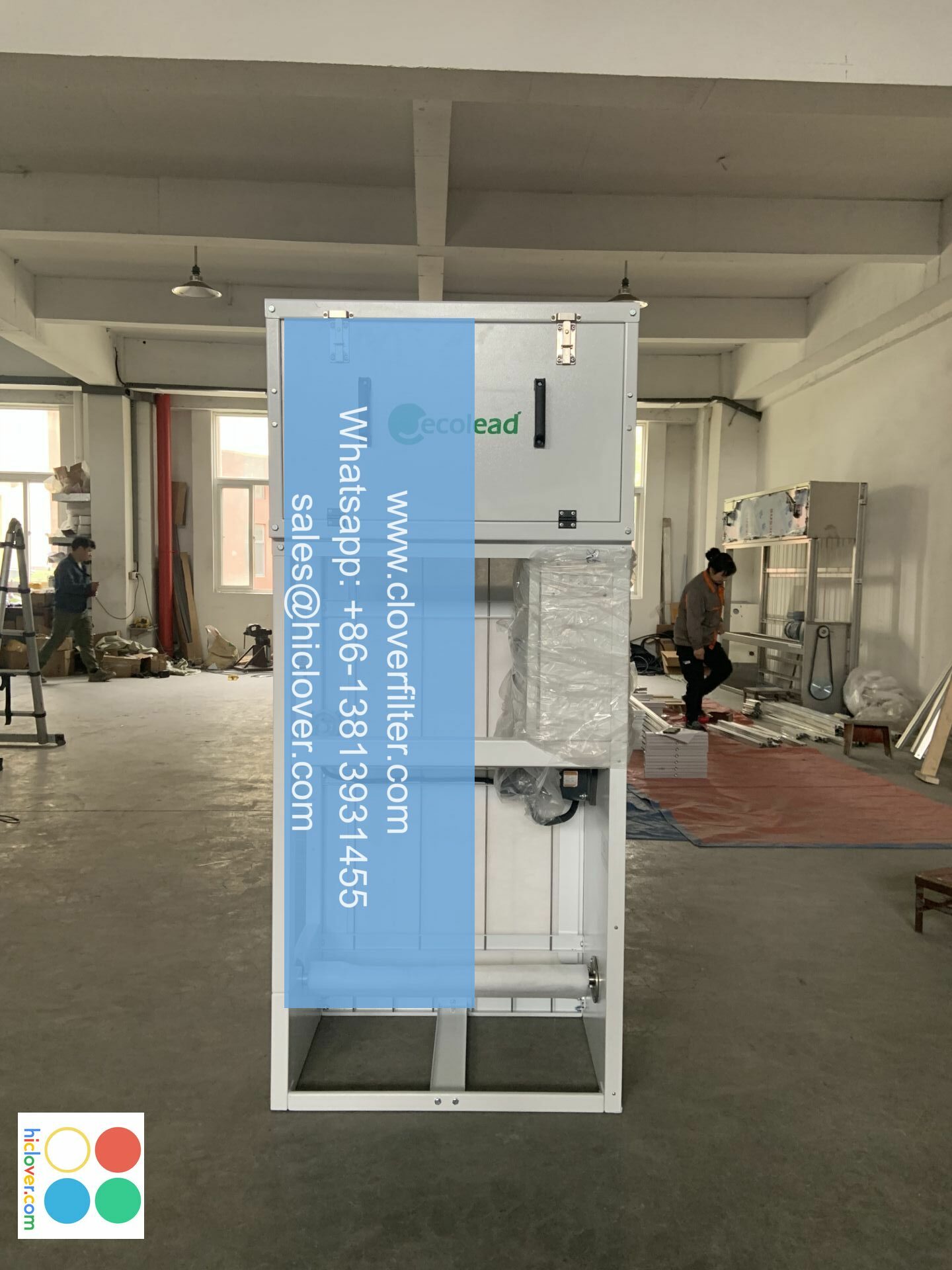
The Vancouver Electronics Plant, a leader in the manufacturing of high-quality electronic components, has recently implemented a cutting-edge solution to lower airborne contaminants in its production facility. By adopting automatic roll air filter technology, the plant demonstrates a commitment to both environmental responsibility and worker safety.

Understanding Airborne Contaminants
Airborne contaminants are microscopic particles that can be harmful to both human health and product quality. Common sources include dust, bacteria, viruses, and industrial pollutants. In manufacturing settings, these contaminants can lead to defects in products, increased maintenance costs, and adverse health effects on employees. Recognizing the urgency of mitigating these threats, the Vancouver Electronics Plant sought a comprehensive solution.
What is Automatic Roll Air Filter Technology?
Automatic roll air filter technology represents an innovative approach to air filtration in industrial environments. This system utilizes continuous rolls of filter media that automatically feed into place, allowing for a near-constant supply of fresh, clean air. The technology is designed to capture a wide range of airborne particles efficiently, improving air quality throughout the facility.
Implementation of the Technology
The process began with a thorough evaluation of the existing air quality management systems at the Vancouver Electronics Plant. The management team collaborated with environmental specialists to select the most appropriate technology that not only meets regulatory requirements but also aligns with the plant’s sustainability goals.
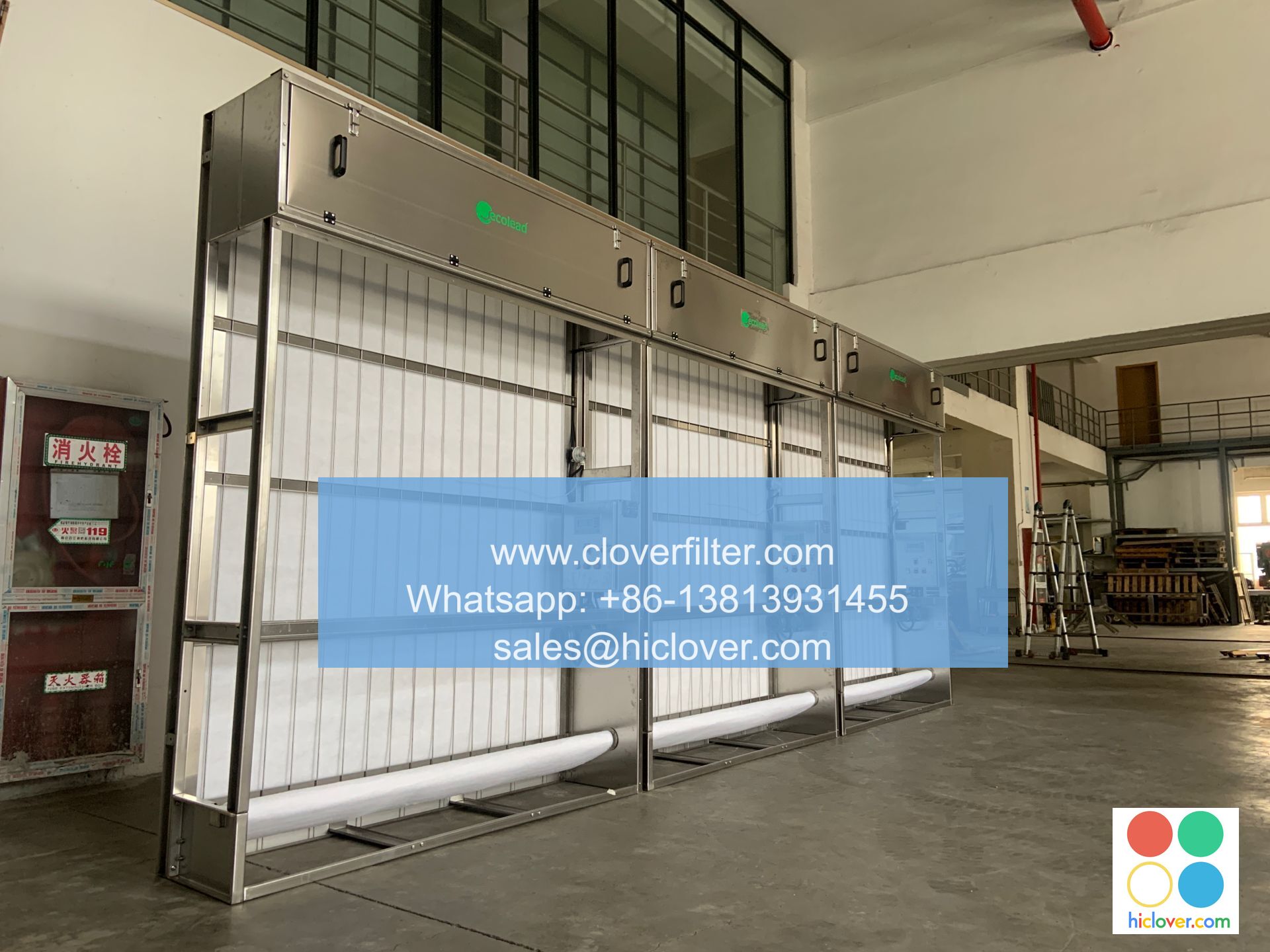
After an extensive review, the decision was made to install the automatic roll air filter system in key areas of the manufacturing plant where airborne contaminants were most prevalent. The installation was completed in phases to minimize downtime and disruption to the production workflow.
Benefits of the New System
Since the implementation of the automatic roll air filter technology, the Vancouver Electronics Plant has experienced numerous benefits:
- Improved Air Quality: The system reduces airborne contaminants significantly, improving overall air quality within the facility.
- Enhanced Product Quality: With cleaner air, the likelihood of defects in electronic components has decreased, leading to higher customer satisfaction.
- Health and Safety: A healthier work environment results in fewer reported health issues among employees, thereby increasing productivity.
- Operational Efficiency: The automatic nature of the system means reduced maintenance efforts and costs associated with manual filter changes.
Conclusion
The Vancouver Electronics Plant’s investment in automatic roll air filter technology is a prime example of how modern innovation can address pressing environmental and health concerns. By improving air quality, the plant not only enhances worker safety and product quality but also sets a precedent for other manufacturing facilities aiming to implement sustainable practices. This initiative underscores the importance of combining technology with proactive environmental stewardship in today’s industrial landscape.
FAQs
1. What types of contaminants do automatic roll air filters capture?
Automatic roll air filters are designed to capture a wide range of airborne particles, including dust, pollen, bacteria, and industrial pollutants.
2. How often do the filters need to be changed?
The frequency of filter changes depends on the level of airborne contaminants present in the environment, but the automatic system ensures minimal disruption and timely replacements.
3. Is the automatic roll air filter technology cost-effective?
Yes. While the initial investment may be significant, the long-term savings from reduced maintenance costs, improved product quality, and enhanced employee health make it a cost-effective solution.
4. Can this technology be implemented in other manufacturing sectors?
Absolutely. Automatic roll air filter technology is versatile and can be adapted for various industrial applications, including food processing, pharmaceuticals, and other manufacturing sectors.
