Waterloo’s Cleanroom Innovation: Automatic Roll Air Filters for Enhanced Air Quality
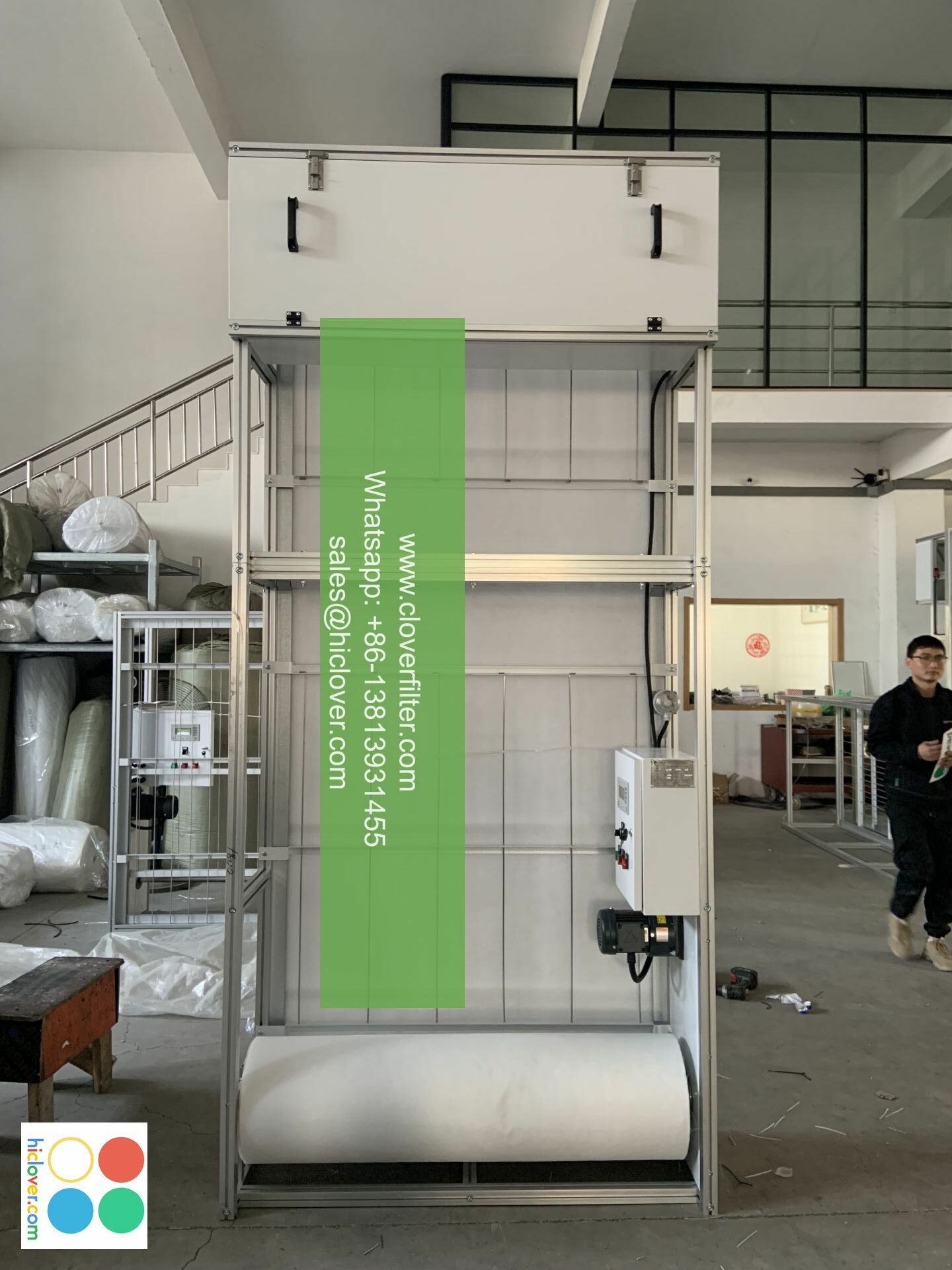
Waterloo’s cleanroom innovation has been at the forefront of cutting-edge technology, providing solutions for various industries that require precise control over their environment. One of the most significant advancements in this field is the development of automatic roll air filters, designed to enhance air quality and maintain the integrity of cleanroom operations. These innovative filters have revolutionized the way cleanrooms are managed, offering a more efficient, cost-effective, and reliable method for maintaining optimal air quality.
The traditional method of using static filters in cleanrooms has several drawbacks, including the need for manual replacement, disruption of operations during maintenance, and potential contamination risks. Automatic roll air filters address these issues by providing a continuous supply of clean air, minimizing downtime, and reducing the risk of contamination. This technology uses a rolling filter media that unwinds from a spool, replacing the used section with a new one, thereby ensuring a constant flow of filtered air into the cleanroom.

The benefits of automatic roll air filters are numerous. Firstly, they significantly reduce the maintenance downtime associated with traditional filter replacement. By automating the filter replacement process, cleanroom operations can continue uninterrupted, leading to increased productivity and efficiency. Additionally, the risk of contamination is minimized, as the automated system reduces the need for human intervention, which is a common source of contamination in cleanrooms.
Another advantage of automatic roll air filters is their cost-effectiveness. While the initial investment in this technology may be higher than traditional filtering systems, the long-term savings are substantial. The reduced need for manual labor, decreased waste generation, and extended filter life all contribute to lower operational costs. Furthermore, the automated system ensures that the cleanroom operates within the prescribed parameters, reducing the risk of product defects and recalls, which can be costly and damaging to a company’s reputation.
The implementation of automatic roll air filters also enhances the overall air quality within the cleanroom. By providing a constant flow of clean air, these filters help maintain a stable environment, which is critical for many industries, including pharmaceuticals, biotechnology, and semiconductor manufacturing. The improved air quality also contributes to a safer working environment for personnel, reducing the risk of airborne contamination and promoting a healthier workspace.
In addition to the technical benefits, automatic roll air filters also offer environmental advantages. The reduced waste generation and extended filter life result in a more sustainable operation, aligning with the growing emphasis on environmental responsibility in industrial practices. As companies strive to minimize their ecological footprint, innovative solutions like automatic roll air filters play a crucial role in supporting these initiatives.

The integration of automatic roll air filters into cleanroom operations is relatively straightforward. The system can be tailored to meet the specific needs of each cleanroom, taking into account factors such as room size, air flow requirements, and contamination risks. Once installed, the automated system requires minimal maintenance, ensuring that the cleanroom operates at optimal levels with minimal disruption.
Conclusion:
Waterloo’s cleanroom innovation, particularly the development of automatic roll air filters, represents a significant leap forward in maintaining enhanced air quality and promoting efficient cleanroom operations. The benefits of this technology, including reduced maintenance downtime, cost-effectiveness, and improved air quality, make it an attractive solution for industries that rely on precise environmental control. As cleanroom technology continues to evolve, the adoption of automatic roll air filters is likely to become increasingly widespread, supporting the advancement of various sectors and contributing to a more sustainable and efficient industrial landscape.
FAQs:
- Q: What are automatic roll air filters, and how do they work?
- A: Automatic roll air filters are a type of air filtration system that uses a rolling filter media to provide a continuous supply of clean air. The used section of the filter is replaced with a new one, ensuring a constant flow of filtered air into the cleanroom.
- Q: What are the benefits of using automatic roll air filters in cleanrooms?
- A: The benefits include reduced maintenance downtime, cost-effectiveness, improved air quality, and minimized risk of contamination.
- Q: Can automatic roll air filters be customized to meet specific cleanroom requirements?
- A: Yes, the system can be tailored to meet the specific needs of each cleanroom, taking into account factors such as room size, air flow requirements, and contamination risks.
- Q: Are automatic roll air filters environmentally friendly?
- A: Yes, the reduced waste generation and extended filter life result in a more sustainable operation, aligning with the growing emphasis on environmental responsibility in industrial practices.
