Western University’s Clean Lab HVAC Systems: Energy Efficiency and Automatic Roll Air Filters
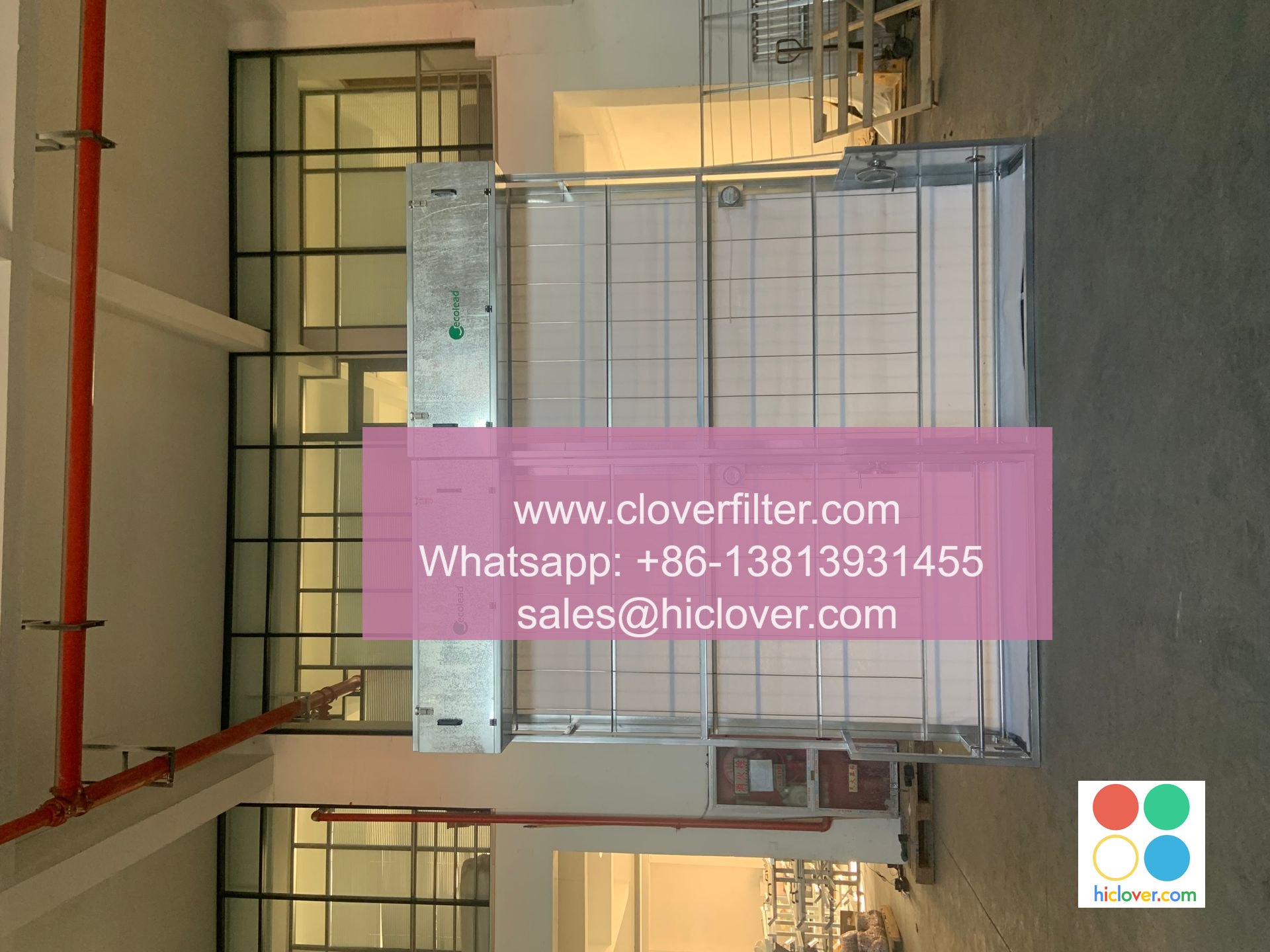
At Western University, innovation and sustainability converge through the development of advanced HVAC (Heating, Ventilation, and Air Conditioning) systems designed specifically for clean lab environments. The integration of energy-efficient technologies and automatic roll air filters underscores the university’s commitment to maintaining a contaminant-free atmosphere while minimizing energy consumption.
The Importance of Clean Labs

Clean labs are critical in various fields such as pharmaceuticals, biotechnology, and environmental science. Ensuring a controlled environment with minimal airborne particulates is essential for achieving accurate results and maintaining the integrity of sensitive experiments. Western University recognizes the pivotal role of clean lab settings, which demand specialized HVAC systems that can provide a consistent stream of filtered air.
Energy Efficiency in HVAC Systems
Energy efficiency is at the forefront of Western University’s HVAC design. Traditional HVAC systems often lead to significant energy waste, contributing to higher operational costs and a larger environmental footprint. Western’s approach leverages cutting-edge technology to optimize energy use. Some key strategies include:
- Utilization of variable speed drives (VSDs) to adjust fan speeds based on real-time demand.
- Geothermal heating and cooling solutions that capitalize on the earth’s stable underground temperatures.
- High-efficiency filters that reduce the need for frequent replacements, lowering both waste and energy use.
- Continuous Air Quality Monitoring: Sensors integrated within the HVAC system allow for real-time adjustments based on particulates detected in the air.
- Reduced Maintenance Costs: The self-cleaning function of roll filters minimizes the need for frequent maintenance while prolonging filter lifespan.
- Enhanced Energy Savings: By working in conjunction with the HVAC system, these filters help maintain ideal airflow, reducing the workload on fans and compressors.
- Life Sciences: Research in genetics, microbiology, and pharmacology relies on clean environments to prevent contamination during experiments.
- Environmental Science: Air quality testing and environmental monitoring require clean labs to ensure accurate sample analysis.
- Engineering: Material testing and development in engineering also benefit from controlled environments where parameters can be precisely monitored.

Automatic Roll Air Filters: A Game Changer
One of the standout features of Western University’s clean lab HVAC systems is the implementation of automatic roll air filters. These innovative filters automatically adjust to varying airflow requirements, ensuring optimal performance without manual intervention. Key benefits of automatic roll air filters include:
Application Areas of Clean Lab HVAC Systems
The implications of these advanced HVAC systems extend across multiple disciplines at Western University and beyond. Key application areas include:
Conclusion: A Sustainable Future for Clean Labs
Western University’s dedication to energy-efficient clean lab HVAC systems, complemented by automatic roll air filters, represents a significant step towards a sustainable future in research and development. By prioritizing energy efficiency and innovative air filtration technology, the university not only enhances the integrity of its scientific work but also contributes positively to environmental sustainability. This commitment serves as a model for institutions aiming to achieve excellence while minimizing their carbon footprint.
