Western University’s Clean Lab Initiative: How Automatic Roll Air Filters Contribute to Success
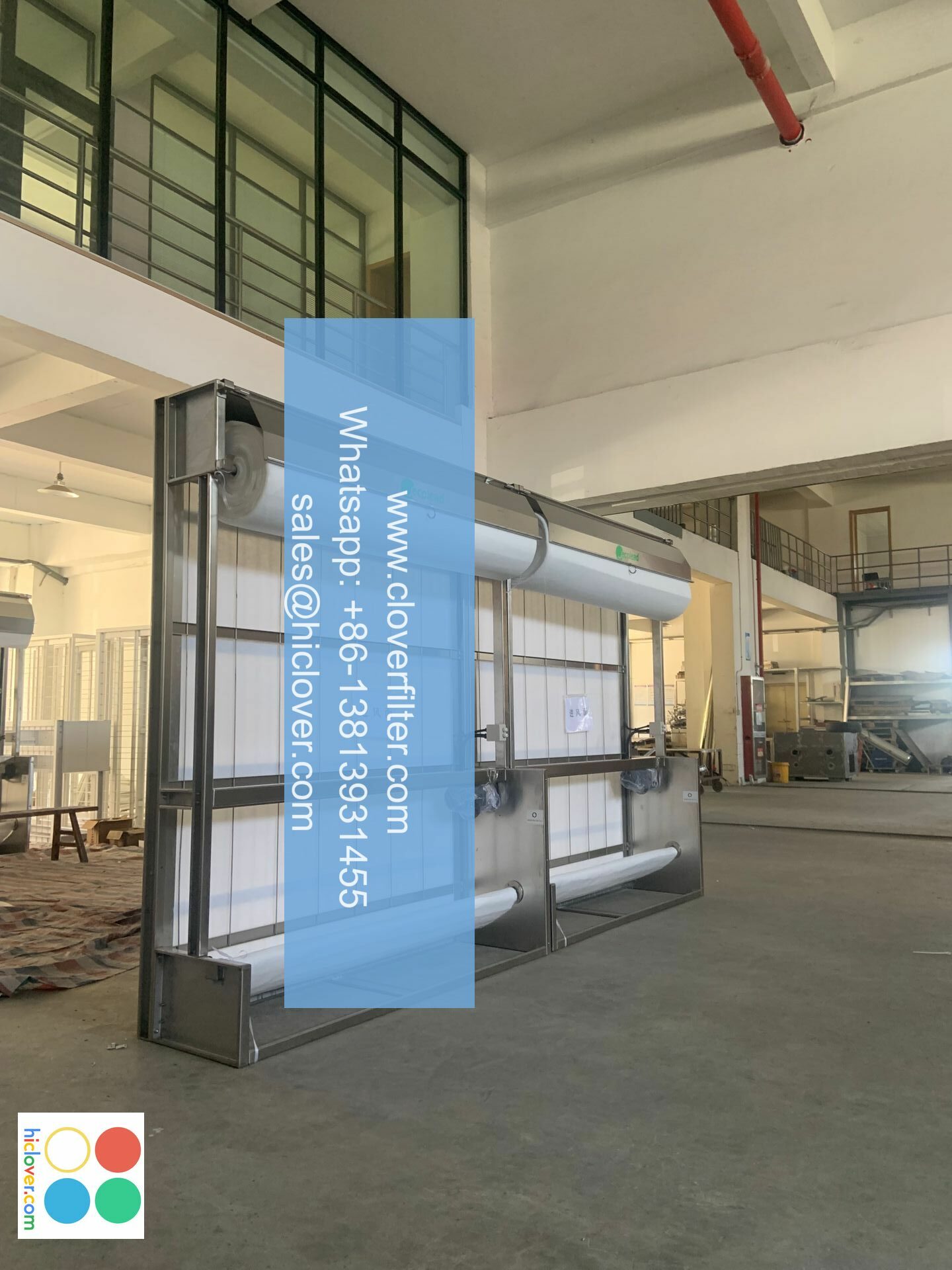
Western University’s Clean Lab Initiative is a pioneering program aimed at reducing energy consumption, improving indoor air quality, and minimizing the environmental footprint of laboratory facilities. At the heart of this initiative is the innovative use of Automatic Roll Air Filters, which have proven to be a crucial component in achieving the program’s ambitious goals. In this article, we will delve into the world of clean labs, sustainable laboratory design, and indoor air quality management, highlighting the key role of automatic roll air filters in contributing to the success of Western University’s Clean Lab Initiative.
Introduction to Clean Labs and Sustainable Laboratory Design
Clean labs are designed to provide a controlled environment for sensitive research and experiments, while also minimizing their impact on the environment. Sustainable laboratory design involves the integration of energy-efficient systems, renewable energy sources, and eco-friendly materials to reduce the lab’s carbon footprint. Western University’s Clean Lab Initiative is a shining example of this approach, incorporating cutting-edge technologies and innovative solutions to create a state-of-the-art laboratory facility.
The Role of Automatic Roll Air Filters in Clean Labs
Automatic roll air filters are a type of air filtration system that uses a rolling filter media to capture airborne contaminants and pollutants. These filters are designed to provide high-efficiency filtration while minimizing energy consumption and maintenance costs. In the context of Western University’s Clean Lab Initiative, automatic roll air filters play a vital role in maintaining optimal indoor air quality while reducing the lab’s energy footprint.
Application Areas of Automatic Roll Air Filters
The application areas of automatic roll air filters are diverse and widespread, including:
* laboratory facilities: providing clean air for sensitive research and experiments
* healthcare facilities: maintaining sterile environments for patient care and treatment
* industrial facilities: controlling airborne contaminants and pollutants in manufacturing processes
* commercial buildings: improving indoor air quality and occupant comfort
Benefits of Automatic Roll Air Filters
The benefits of automatic roll air filters are numerous and significant, including:
* improved indoor air quality: capturing airborne contaminants and pollutants to provide clean air
* reduced energy consumption: minimizing energy costs and greenhouse gas emissions
* lower maintenance costs: reducing filter replacement and maintenance frequency
* increased occupant comfort: providing a healthy and comfortable indoor environment
Conclusion
Western University’s Clean Lab Initiative is a groundbreaking program that showcases the importance of sustainable laboratory design and indoor air quality management. The use of automatic roll air filters has been instrumental in achieving the program’s goals, providing high-efficiency filtration while minimizing energy consumption and maintenance costs. As we move forward in the pursuit of sustainable development and environmental stewardship, the application of automatic roll air filters will continue to play a vital role in creating clean, healthy, and sustainable indoor environments.
