What Happens If You Lose or Damage Your Air Filter During Return Shipping?
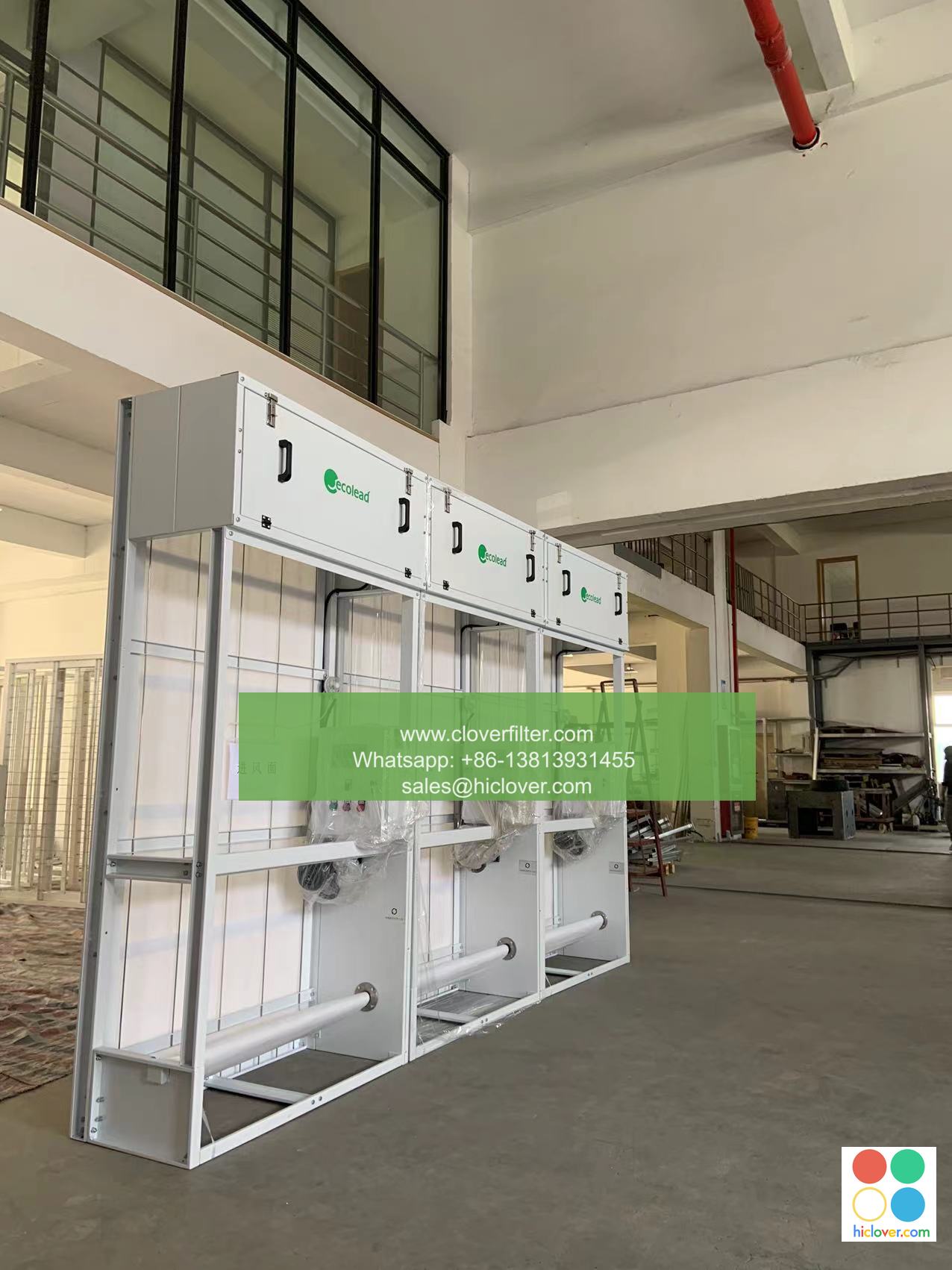
Losing or damaging an air filter during return shipping can be a frustrating experience, especially if you’re dealing with sensitive equipment or high-efficiency air filtration systems. In this article, we’ll explore the potential consequences of losing or damaging an air filter during return shipping and discuss the best practices to minimize these risks.
##
Consequences of Losing or Damaging an Air Filter
If you lose or damage your air filter during return shipping, it can lead to several issues, including:
* Reduced air quality: A damaged or lost air filter can compromise the indoor air quality in your home or commercial space, exacerbating allergies and respiratory problems.
* Equipment damage: Without a functional air filter, your heating, ventilation, and air conditioning (HVAC) system or air purification system may be exposed to dust, debris, and moisture, leading to premature wear and tear.
* Increased energy costs: A damaged or lost air filter can cause your HVAC system to work harder, resulting in higher energy bills and reduced system efficiency.
##
Best Practices for Return Shipping
To minimize the risks associated with losing or damaging an air filter during return shipping, follow these best practices:
* Proper packaging: Ensure that the air filter is securely packaged in a sturdy box with adequate padding and support to prevent damage during shipping.
* Clear labeling: Clearly label the package with the contents and any relevant handling instructions to prevent mishandling.
* Tracking and insurance: Consider using a reliable shipping carrier that offers tracking and insurance to protect against loss or damage.
##
Application Areas
The risks associated with losing or damaging an air filter during return shipping are not limited to residential settings. Commercial spaces, such as hospitals, data centers, and industrial facilities, also rely on high-efficiency air filtration systems to maintain clean air and prevent downtime. In these settings, the consequences of losing or damaging an air filter can be even more severe, highlighting the importance of proper handling and shipping procedures.
##

Conclusion
Losing or damaging an air filter during return shipping can have significant consequences, including reduced air quality, equipment damage, and increased energy costs. By following best practices for return shipping, such as proper packaging, clear labeling, and tracking and insurance, you can minimize these risks and ensure that your air filtration system continues to operate efficiently and effectively. Whether you’re dealing with residential or commercial air filtration systems, it’s essential to prioritize proper handling and shipping procedures to maintain clean air and prevent downtime. Prompt
