What Happens When You Use an Air Filter but Not an Air Purifier (and Vice versa)
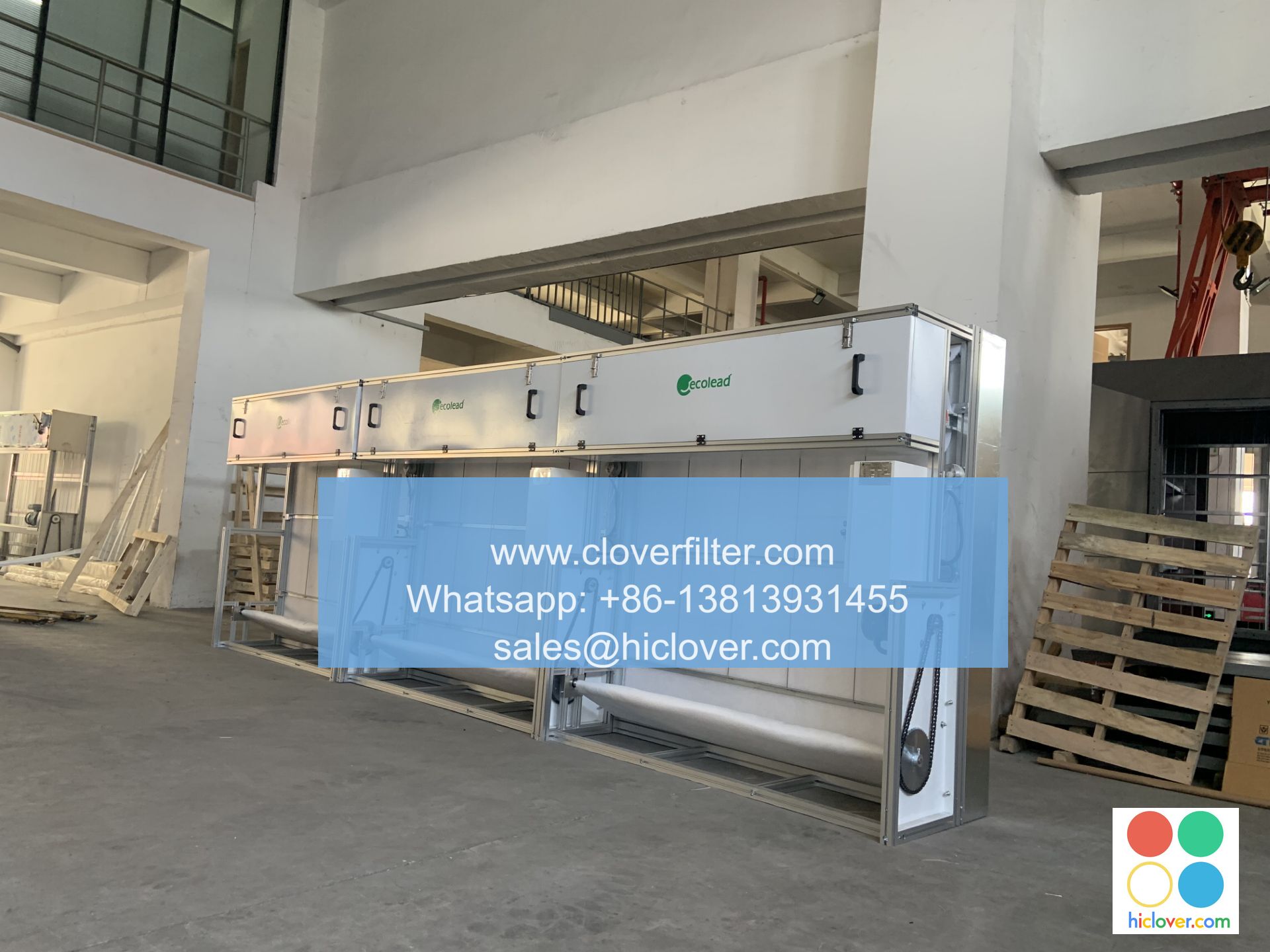
When it comes to improving indoor air quality, two terms are often used interchangeably: air filters and air purifiers. However, they serve distinct purposes and have different effects on the air we breathe. In this article, we’ll explore what happens when you use an air filter but not an air purifier, and vice versa, highlighting various application areas and key benefits.
The Role of Air Filters
Air filters are designed to capture larger particles such as dust, pollen, and pet dander from the air. They are typically used in heating, ventilation, and air conditioning (HVAC) systems to protect the equipment and improve indoor air quality. When you use an air filter but not an air purifier, you can expect:
* Reduced dust buildup on surfaces
* Fewer allergy symptoms caused by larger particles
* Protection of your HVAC system from damage caused by debris
However, air filters may not be effective against smaller particles such as volatile organic compounds (VOCs), gases, and bacteria. This is where air purifiers come in.
The Role of Air Purifiers
Air purifiers are designed to capture smaller particles and gaseous pollutants from the air, using technologies such as activated carbon, UV light, and ionization. When you use an air purifier but not an air filter, you can expect:
* Removal of odors and gases from the air
* Reduction of bacteria and viruses that can cause illness
* Improvement of overall air quality and breathing comfort
However, air purifiers may not be effective against larger particles such as dust and pollen, which can still circulate in the air and cause problems.
Combining Air Filters and Air Purifiers
The most effective way to improve indoor air quality is to use both an air filter and an air purifier. This combination can provide:
* Comprehensive protection against a wide range of pollutants
* Improved health benefits by reducing exposure to harmful particles and gases
* Increased energy efficiency by reducing the load on your HVAC system
In commercial applications, such as offices, hospitals, and industrial facilities, using both air filters and air purifiers can be especially important for maintaining a healthy and productive environment. In residential applications, such as homes and apartments, combining air filters and air purifiers can help improve indoor air quality and reduce allergy symptoms.

Conclusion
In conclusion, using an air filter but not an air purifier, or vice versa, can have limited benefits. By combining both technologies, you can achieve optimal indoor air quality and improve your overall health and well-being. Whether you’re looking to improve commercial air quality or enhance residential air quality, understanding the difference between air filters and air purifiers is crucial for making informed decisions about your indoor air quality needs. It seems like you forgot to include the prompt. Please go ahead and provide the prompt, and I’ll be happy to help!
