What is an Air Filter and How Does It Work?
Key Takeaways
- An air filter traps particles and contaminants from the air, improving air quality.
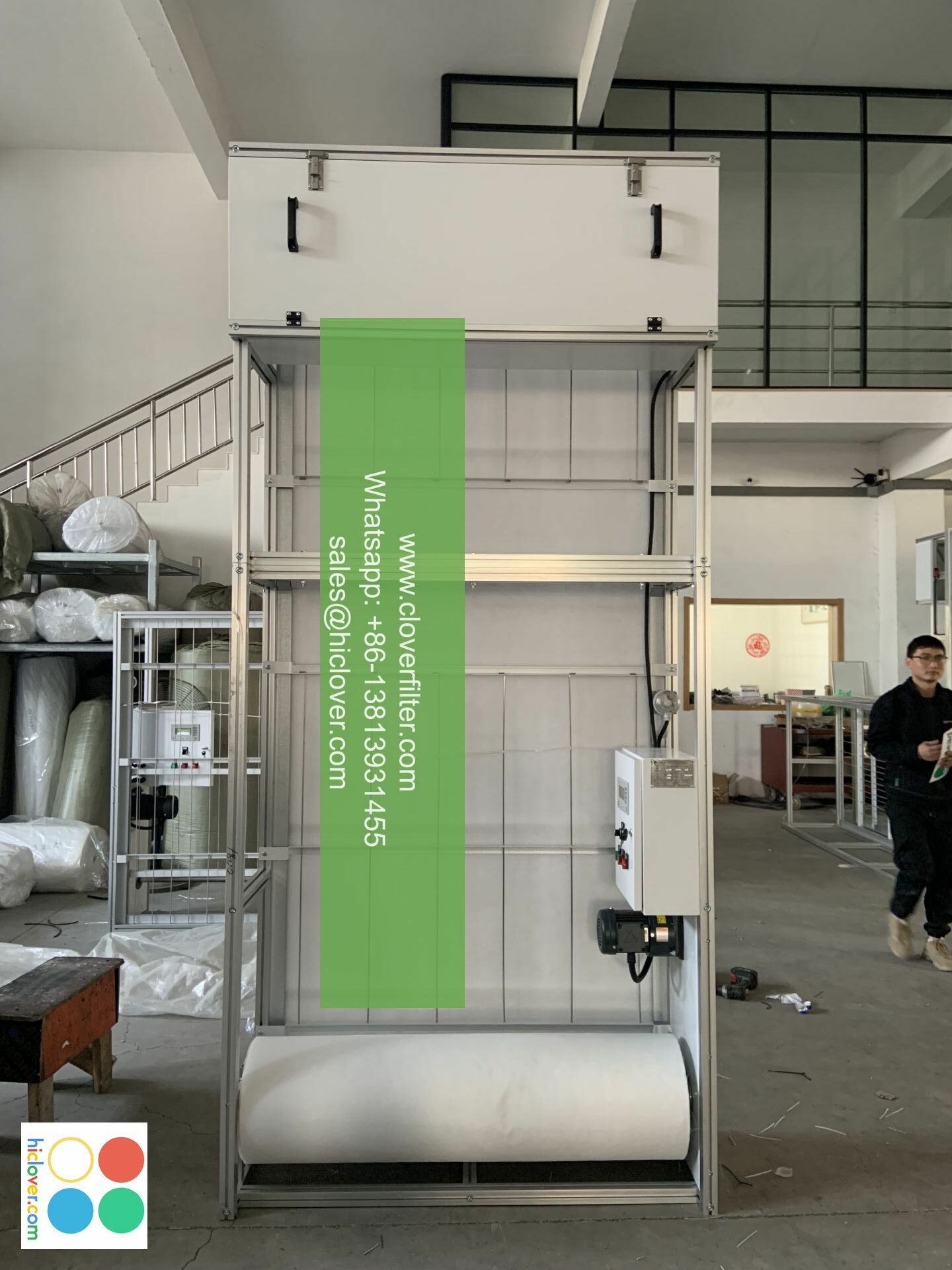
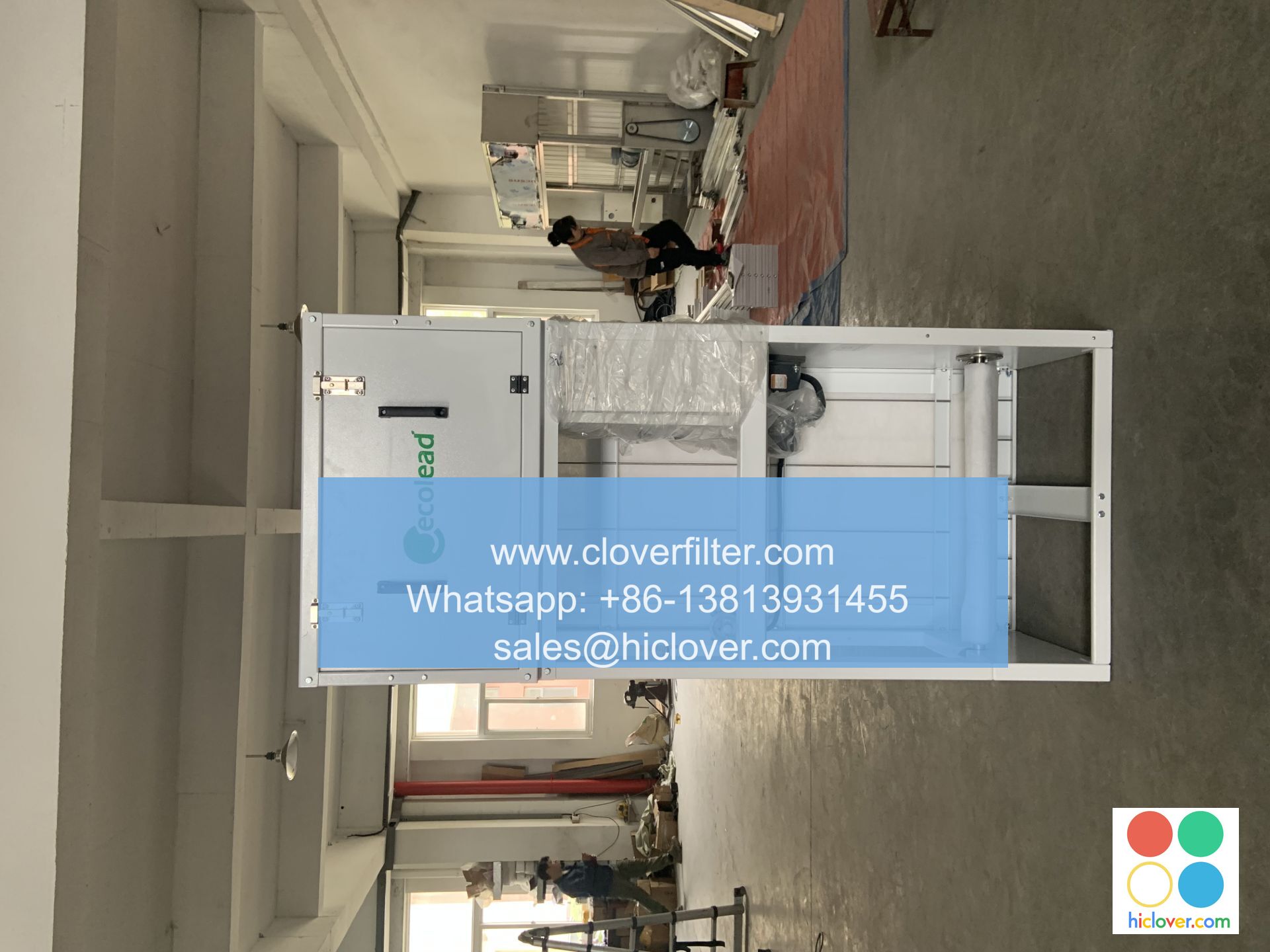
- An Automatic Roll Air Filter features continuous roll media for easy maintenance.
- These filters help reduce energy consumption and maintenance efforts significantly.
- Proper selection based on airflow and operating conditions is crucial in industrial settings.
- Compliance with standards like ISO 16890 and MERV helps ensure effective particulate control.
- Airflow Range: Ensure the filter can handle the required airflow for your facility.
- Face Velocity: Select a filter that maintains the right face velocity to minimize energy loss.
- Media Width/Length: Choose media dimensions that fit your standard HVAC setups.
- Frame Size: Ensure compatibility with existing installations.
- Control Options: Look for customizable control options based on operational needs.
- Power Supply: Verify power supply requirements for automatic functionalities.
- Installation Location: Consider whether the filter will be placed in the fresh air intake, return, or process application.
- Underestimating Airflow Needs: Always calculate required airflow before selection.
- Neglecting Maintenance Plans: Develop a routine inspection schedule to avoid unexpected downtime.
- Choosing Filters with Incorrect MERV Rating: Balance between filtration efficiency and airflow impacts.
- Defaulting to Standard Sizes: Ensure dimensions fit existing frames before procurement.
- Ignoring Environmental Conditions: Assess humidity and temperature influences on filter efficiency.
- Overlooking Installation Locations: Decide between fresh air intake versus return applications to optimize performance.
- Focusing Solely on Cost: Factor in long-term operational expenses and maintenance when evaluating filter options.
- Disregarding Filter Lifespan: Contact manufacturers for details on expected life and replacement intervals.
-
What is the lifespan of an Automatic Roll Air Filter?
Lifespan varies by application; typically, filters last 6-12 months depending on conditions. -
How often should I replace my air filters?
Regular inspections every month are recommended, with replacements according to usage levels. -
Can an Automatic Roll Air Filter handle high humidity?
Yes, many models are designed for various environmental conditions, including high humidity. -
Do I need special installation for Automatic Roll Air Filters?
Most fit within existing systems; however, consult the specifications for optimal integration results. -
Are Automatic Roll Air Filters energy efficient?
They significantly reduce energy costs by minimizing pressure drops and maximizing airflow. -
How do I know if I selected the right filter?
Consult with experts and utilize performance data, ensuring you match specifications to operational needs. -
What are the maintenance requirements?
Routine checks for pressure drop and visual inspections should be standard practice. -
Is compliance with air quality standards necessary?
While it’s recommended, always consult your local regulations to ensure you’re meeting required standards. -
Are there filters that meet both ISO 16890 and MERV standards?
Some filters offer cross-compliance capabilities, but always check specifications for confirmation. -
Where can I find additional resources?
For more detailed inquiries, feel free to contact experts at CloverFilter for guidance.
Understanding Air Filters
An air filter is a crucial component of HVAC systems that aids in cleaning the air circulated in various environments, from factories to hospitals. By capturing dust, allergens, and various airborne particles, air filters not only enhance indoor air quality but also ensure the longevity and efficient performance of HVAC equipment. To help you make informed decisions, we will address common air filter FAQs throughout this article.
What is an Automatic Roll Air Filter?

The Automatic Roll Air Filter is an advanced filtration solution designed primarily for HVAC systems. It uses a roll media that continuously advances as the filter accumulates particulates. This automatic feature minimizes manual handling and gives operators the advantage of efficient maintenance, allowing for a smooth operation without significant downtimes.
How Does an Automatic Roll Air Filter Work?
An Automatic Roll Air Filter operates on a system that combines roll media advancement logic with differential pressure triggers. As contaminants build up on the filter surface, the increase in differential pressure activates the roll media to advance automatically. This automatic functionality is usually set to a timer for optimum performance and longevity, ensuring consistent air quality without frequent manual interventions.
Practical Selection Guide for Air Filters
When choosing an air filter for your specific industrial application, consider several factors:
Comparison of Filter Types
Here’s a breakdown of various filter types and their use cases:
| Filter Type | Best Use Case | Maintenance | Pressure Drop Behavior | Operating Cost | Typical Risk/Downside |
|---|---|---|---|---|---|
| Automatic Roll Air Filter | Large scale HVAC systems | Low | Controlled | Moderate | High upfront cost |
| Bag Filter | General industrial use | Moderate | Variable | Moderate | Needs more space; replacement costs |
| Panel Filter | Small HVAC systems | High | Low | Low | Short lifespan; frequent changes |
| V-bank | High dust environments | Moderate | Minimal | Moderate | Clogging can lead to increased costs |
Common Mistakes & How to Avoid Them
Real-World Scenarios
Data Center
Maintaining optimal temperature and cleanliness is critical in a data center. An Automatic Roll Air Filter in their HVAC system helps in efficiently managing air quality while consuming less energy, allowing the facility to remain compliant with stringent standards.
Lithium Battery Factory
In environments with explosive materials, such as lithium battery production, cleanliness and air filtration are paramount. The precision filtering of the Automatic Roll Air Filter significantly reduces dust and particulate contaminants, ensuring safety and operational efficiency.
Paint Shop
In a paint shop, controlling airborne particles is essential to maintain high-quality finishes. The roll filter’s ability to minimize overspray while ensuring fresh air intake reduces VOC (Volatile Organic Compounds) exposure, thus improving worker health and product quality.
Textile/Steel/Cement Plant
Heavy-duty environments like textile or steel plants require rugged air filtration. The advanced features of an Automatic Roll Air Filter can trap significant dust loads while minimizing pressure drops, leading to lower energy consumption and extended equipment lifespan.
Air Filter FAQs
For procurement managers, engineers, and facility managers, understanding the intricacies of air filtration systems like the Automatic Roll Air Filter from CloverFilter can lead to smarter decisions. Ensure you navigate through options and specifications with expertise, benefiting from advanced technology that balances performance with efficiency.
Meta Description: Explore our detailed guide on air filters, including FAQs, types, and selection tips for industrial needs. Get insights into CloverFilter’s Automatic Roll Air Filter.
For tailored solutions to your air filtration needs, contact CloverFilter at CloverFilter Contact.
It seems like you may want to provide a specific prompt or topic for me to assist you with. Could you please elaborate on what you’re looking for? Whether it’s a writing prompt, a question, or something else, I’m here to help!
